Tsunade Senju Character Analysis
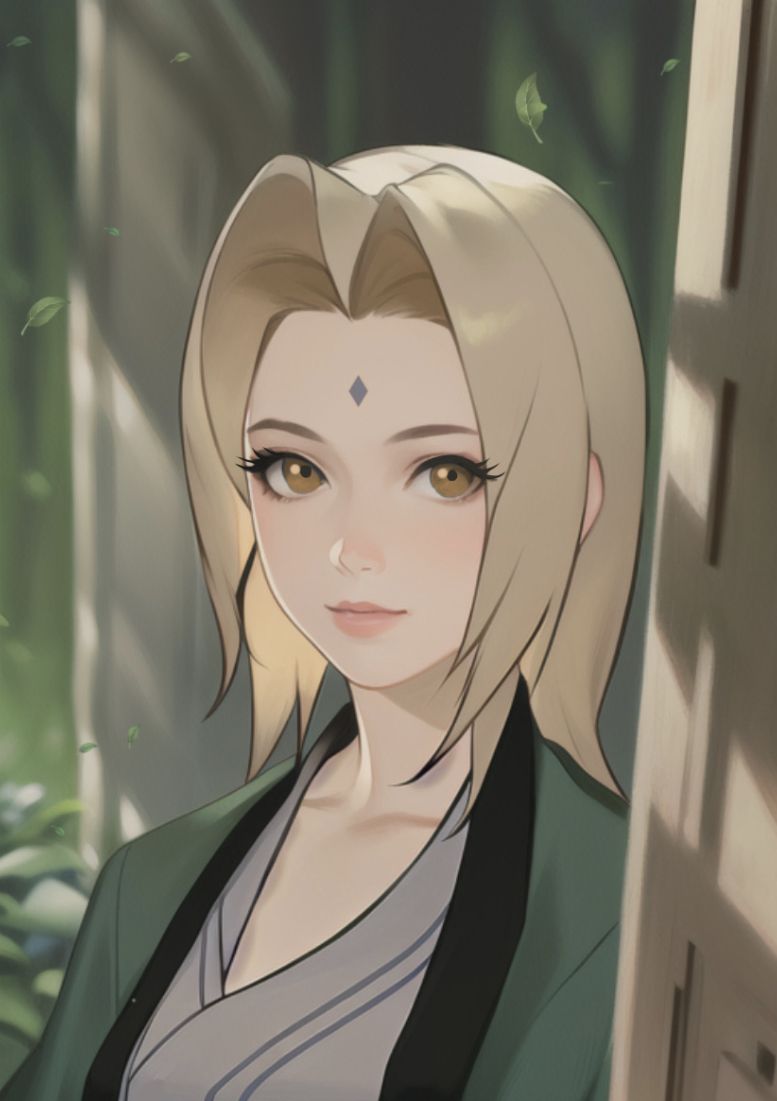
Tsunade Senju Character Analysis
Tsunade Senju’s character represents one of the most complex and inspiring female figures in the Naruto series. From her origins as a prodigious medical ninja and granddaughter of the First Hokage, to her descent into grief and self-destruction, and finally her redemption as the Fifth Hokage, Tsunade’s journey is a testament to resilience, feminine strength, and the power of overcoming trauma. This comprehensive analysis explores every facet of her character, examining her motivations, struggles, and ultimate triumph.
Part 1: The Slug Princess
Early Life and Heritage
Senju Clan Legacy
- First Hokage’s Granddaughter: Tsunade’s lineage as Hashirama Senju’s granddaughter
- Natural Talent: Inherited prodigious chakra reserves and healing abilities
- Slug Contract: Forming a summoning contract with Katsuyu
- Clan Expectations: The weight of the Senju name
Medical Ninja Prodigy
- Early Medical Training: Showing exceptional talent in medical ninjutsu
- Creation of Medical Ninja Corps: Revolutionizing ninja medicine
- Chakra Control: Unparalleled mastery of chakra control
- Strength Training: Developing her superhuman physical strength
- Strategic Mind: Combining medical knowledge with combat tactics
The Legendary Sannin
Team Hiruzen
- Hiruzen’s Student: Training under the Third Hokage
- Jiraiya and Orochimaru: Her lifelong bonds with her fellow Sannin
- Team Dynamics: Their complementary skills and personalities
- Early Missions: Their exploits during the Second Great Ninja War
Combat Prowess
- Super Strength: Her monstrous physical strength
- Medical Ninjutsu: Unrivaled healing abilities
- Slug Summoning: Strategic use of Katsuyu in battle
- Genjutsu Resistance: Immunity to most genjutsu
- Survival Skills: Famed for her ability to survive seemingly fatal wounds
Part 2: The Grieving Gambler
The Losses
Dan’s Death
- The Love of Her Life: Her relationship with Dan Kato
- Dan’s Dream: His desire to become Hokage
- The Tragic Mission: Dan’s death in combat
- The Healing Hands: Her inability to save the man she loved
- Survivor’s Guilt: Her overwhelming guilt over Dan’s death
Nawaki’s Death
- Little Brother’s Dream: Nawaki’s aspiration to become Hokage like Hashirama
- The Tragic Explosion: Nawaki’s death at a young age
- The Necklace: Her sister’s keepsake passed to Nawaki and then Naruto
- Double Loss: The compounded grief of losing both Dan and Nawaki
- Fear of Loss: Developing a phobia of blood and hospitals
The Self-Destructive Phase
Retreat from Konoha
- Leaving the Village: Abandoning her duties as a ninja
- Gambling Addiction: Escaping through high-stakes gambling
- Debt and Destitution: Accumulating massive debts
- Alcohol Dependence: Using sake to numb her pain
- “The Legendary Sucker”: Her reputation as a terrible gambler
Emotional Withdrawal
- Trust Issues: Closing herself off from potential relationships
- Cynical Outlook: Losing faith in the possibility of positive change
- Rejection of Responsibility: Refusing to take on leadership roles
- Fear of Attachment: Avoiding any connection that could lead to loss
- Mask of Confidence: Hiding her vulnerability behind brashness
Part 3: The Return to Konoha
Naruto’s Influence
The First Encounter
- Meeting Naruto: Her initial dismissal of the young ninja
- The Necklace: Naruto’s possession of Nawaki’s necklace
- Dan’s Resemblance: Seeing Dan in Naruto’s determination
- The Bet: Her wager with Naruto that he would never become Hokage
The Turning Point
- Naruto’s Determination: His refusal to give up despite overwhelming odds
- Neji’s Battle: Naruto’s fight against Neji inspiring her
- The Gamble: Betting on Naruto’s potential
- Healing Naruto: Overcoming her blood phobia to save Naruto
- Reclaiming Her Legacy: Accepting her responsibility as a Senju
The Fifth Hokage
Acceptance of the Role
- Godaime Hokage: Her reluctant acceptance of the position
- Konoha’s Crisis: The village’s need for strong leadership
- Jiraiya’s Convincing: Her former teammate’s role in persuading her
- Naruto’s Inspiration: Her desire to see Naruto become Hokage
Leadership Challenges
- Post-Invasion Recovery: Rebuilding Konoha after the Sound/Sand invasion
- Akatsuki Threat: Dealing with the growing Akatsuki menace
- Orochimaru’s Return: Confronting her fallen comrade
- Five Kage Summit: Representing Konoha on the international stage
- Pain’s Invasion: Leading the defense of Konoha
Part 4: The Wise Leader
Governance and Reform
Medical Reforms
- Expanding Medical Corps: Increasing the number of medical ninja
- Training Programs: Establishing better medical training
- Hospital Improvements: Modernizing Konoha’s medical facilities
- Village Health: Improving the overall health of the villagers
Economic Development
- Infrastructure Projects: Rebuilding and expanding Konoha
- Trade Relations: Strengthening economic ties with other villages
- Job Creation: Creating opportunities for villagers
- Disaster Relief: Preparing for and responding to crises
The Fourth Great Ninja War
Leadership Role
- Allied Shinobi Forces: Her role in forming the coalition
- Medical Command: Overseeing the medical response to the war
- Katsuyu’s Deployment: Using her slug summon for large-scale healing
- Strategic Decisions: Balancing medical needs with military strategy
Personal Growth
- Confronting Orochimaru: Finding closure with her fallen comrade
- Reconnecting with Jiraiya: Honoring his memory through her leadership
- Supporting Naruto: Believing in the Child of Prophecy
- Legacy Acceptance: Embracing her role as a Senju leader
Part 5: Post-War Era
Peaceful Reconstruction
Village Development
- Konoha’s Rebuilding: Overseeing the village’s post-war recovery
- International Relations: Fostering peace between nations
- Ninja Academy Reforms: Improving ninja education
- Medical Advances: Continuing to innovate in medical ninjutsu
Succession Planning
- Kakashi’s Training: Preparing Kakashi to become Sixth Hokage
- Naruto’s Development: Guiding the future Seventh Hokage
- Leadership Transition: Smoothly passing the mantle to Kakashi
- Retirement: Stepping back from active leadership
Personal Fulfillment
Emotional Healing
- Grief Resolution: Coming to terms with Dan and Nawaki’s deaths
- Relationship with Jiraiya: Her complex feelings for her former teammate
- Mentorship Role: Finding purpose in guiding the next generation
- Self-Acceptance: Embracing all aspects of herself
Legacy
- Medical Innovations: Her contributions to ninja medicine
- Leadership Example: Breaking gender barriers as female Hokage
- Senju Heritage: Honoring her clan’s legacy while forging her own path
- Inspiration to Others: Motivating female ninja to pursue leadership roles
Psychological Analysis
Trauma and Grief
Complex PTSD
- Multiple Losses: The cumulative trauma of losing loved ones
- Survivor’s Guilt: Her guilt over surviving when Dan and Nawaki died
- Phobia Development: Blood phobia as a manifestation of trauma
- Avoidance Behaviors: Escaping through gambling and alcohol
- Emotional Numbing: Suppressing her feelings through self-destructive behavior
Recovery Process
- Naruto’s Catalyst: Naruto as a trigger for her healing
- Exposure Therapy: Confronting her blood phobia to save Naruto
- Purpose Rebirth: Finding meaning through leadership
- Emotional Reconnection: Allowing herself to feel again
- Post-Traumatic Growth: Emerging stronger from her trauma
Leadership Psychology
Transformational Leadership
- Visionary Leadership: Inspiring others with her vision for Konoha
- Individualized Consideration: Paying attention to each ninja’s needs
- Intellectual Stimulation: Encouraging innovation in medical ninjutsu
- Idealized Influence: Leading by example
Authentic Leadership
- Self-Awareness: Recognizing her strengths and weaknesses
- Relational Transparency: Being open and honest with her subordinates
- Balanced Processing: Considering multiple perspectives
- Strong Moral Code: Guided by her sense of duty and compassion
Thematic Analysis
1. The Weight of Legacy
Narrative Exploration
- Senju Heritage: The burden and privilege of her lineage
- Hashirama’s Shadow: Living up to her grandfather’s legacy
- Personal Identity: Forging her own path beyond the Senju name
- Legacy Reclamation: Embracing her heritage while making it her own
Philosophical Commentary
- Nature vs. Nurture: The interplay between inherited traits and personal choices
- Generational Legacy: How the past shapes the present
- Individual Identity: Finding oneself within a larger family narrative
- Legacy as Responsibility: The duty to honor those who came before
2. The Cost of Healing
Narrative Exploration
- Healing Others vs. Self: Her ability to heal others but not herself
- The Price of Power: The emotional toll of her healing abilities
- Vulnerability as Strength: Her journey from hiding pain to embracing it
- Compassion Fatigue: The burnout from constant caregiving
Philosophical Commentary
- Self-Care as Moral Imperative: The importance of caring for oneself to care for others
- Emotional Labor: The unseen work of emotional support
- Boundaries: The necessity of setting limits in caregiving
- Healing as a Process: Recognizing that healing takes time
3. Feminine Strength in a Masculine World
Narrative Exploration
- Breaking Gender Barriers: As the first female Hokage
- Feminine Leadership: Her nurturing yet decisive leadership style
- Physical Strength: Challenging stereotypes of female weakness
- Emotional Intelligence: Valuing empathy in leadership
Philosophical Commentary
- Gendered Leadership Styles: The false dichotomy between “masculine” and “feminine” leadership
- Intersectionality: Navigating both gender and clan expectations
- Role Modeling: Inspiring future female leaders
- Authenticity: Leading in a way that honors her true self
Relationship Analysis
Tsunade and Jiraiya: The Complex Friendship
Lifelong Bond
- Childhood Friends: Their bond dating back to academy days
- Teasing Relationship: Their playful banter and mutual teasing
- Unrequited Love: Jiraiya’s persistent affection for Tsunade
- Emotional Support: Their roles as each other’s confidants
Shared Grief
- Orochimaru’s Fall: Their mutual pain over their friend’s descent into darkness
- Survivor’s Guilt: Their shared guilt over outliving their teammates
- Legacy Responsibility: Their burden to carry on the Senju and Uzumaki legacies
- Final Goodbye: Tsunade’s grief over Jiraiya’s death
Tsunade and Orochimaru: The Fallen Comrade
Early Friendship
- Academic Rivals: Their friendly competition as students
- Complementary Skills: Orochimaru’s intellect and Tsunade’s medical expertise
- Mutual Respect: Deep admiration for each other’s abilities
- Shared Trauma: Their experiences during the Second Great Ninja War
The Break
- Orochimaru’s Descent: His turn to forbidden jutsu
- Tsunade’s Disapproval: Her rejection of his unethical practices
- The Final Confrontation: Their battle at the Five Kage Summit
- Fragile Reconciliation: Their tentative truce during the Fourth Great Ninja War
Tsunade and Naruto: The Surrogate Mother
The Necklace Connection
- Nawaki’s Necklace: The symbolic passing of the necklace
- Dan’s Resemblance: Seeing Dan in Naruto’s determination
- Motherly Instincts: Her protective feelings toward Naruto
- Hokage Training: Preparing Naruto for his future role
The Bond
- Mutual Inspiration: Naruto inspiring her to return to Konoha
- Emotional Support: Her role as a maternal figure to Naruto
- Belief in Potential: Her unwavering faith in Naruto’s ability to change the world
- Legacy Continuation: Passing the Hokage mantle to Naruto
Symbolism and Imagery
The Slug
Symbolic Meanings
- Healing: Katsuyu’s association with healing and regeneration
- Connection: The slug’s ability to split and connect representing Tsunade’s ability to care for many
- Femininity: The slug as a symbol of feminine power
- Resilience: The slug’s ability to survive in harsh conditions
Katsuyu’s Appearances
- Healing Mode: Gentle and nurturing
- Battle Mode: Protective and formidable
- Division: Splitting into multiple slugs to heal many at once
- Communication: Serving as a messenger between Tsunade and others
The Necklace
Symbolic Meanings
- Legacy: The passing of hope from one generation to the next
- Connection: Linking Tsunade to Dan, Nawaki, and Naruto
- Protection: A talisman of good luck
- Promise: Tsunade’s commitment to protect those she cares about
The Gambler
Symbolic Meanings
- Risk-Taking: Her willingness to take chances despite fear
- Hope: Her gambling as a subconscious search for hope
- Transformation: From losing streak to winning when it matters most
- Control: Her gambling as a way to feel in control of chaotic life
Impact and Legacy
Narrative Impact
Plot Catalyst
- Medical Ninja Revolution: Her creation of the Medical Ninja Corps
- Konoha’s Recovery: Her leadership during the village’s darkest hours
- Naruto’s Growth: Her role in Naruto’s development as a leader
- Fourth Great Ninja War: Her medical expertise saving countless lives
Thematic Depth
- Grief and Recovery: Her journey from despair to hope
- Leadership: Her example of compassionate yet strong leadership
- Feminism: Breaking gender barriers in a male-dominated world
- Legacy: Honoring the past while building the future
Cultural Impact
Fan Reception
- Character Popularity: Consistently ranked among the series’ most beloved characters
- Feminist Icon: Celebrated as a strong female character
- Medical Innovation: Admired for her contributions to ninja medicine
- Leadership Inspiration: Respected as a wise and capable leader
Influence on Media
- Female Leadership: Setting a standard for female leaders in anime
- Medical Representation: Normalizing female expertise in medicine
- Trauma Recovery: Portraying the long journey of healing from grief
- Complex Femininity: Showing that strength and vulnerability can coexist
Conclusion
Tsunade Senju’s character represents one of the most nuanced and inspiring female figures in the Naruto universe. Her journey from prodigious medical ninja to grieving gambler to wise Hokage is a testament to the human capacity for resilience, growth, and transformation.
What makes Tsunade truly remarkable is her authenticity. She is not a perfect hero but a flawed human being who struggles with grief, guilt, and self-doubt. Yet through it all, she finds the strength to rise again, becoming one of the most respected Hokage in Konoha’s history.
Tsunade’s story teaches us that:
- Grief does not have to define us: Her journey from debilitating grief to purposeful leadership
- Vulnerability is not weakness: Her willingness to show her pain makes her stronger
- Legacy is a choice: She honors her Senju heritage while forging her own path
- Leadership comes in many forms: Her nurturing yet decisive leadership style
- Healing is possible: Even the deepest wounds can be healed with time and purpose
As the Fifth Hokage, Tsunade breaks gender barriers, revolutionizes ninja medicine, and leads Konoha through some of its darkest hours. Her legacy is not just her medical innovations or her leadership, but her example of what it means to overcome adversity and emerge stronger.
From her superhuman strength to her healing hands, from her gambling addiction to her wise leadership, Tsunade embodies the complexity of the human spirit. She is a reminder that even the strongest among us carry wounds, and that it is through facing those wounds that we find our true strength.
Tsunade Senju stands as a testament to the power of resilience, the importance of compassion, and the enduring legacy of a woman who refused to be defined by her losses, instead choosing to be defined by her courage and her commitment to protecting those she loves.