Tailed Beasts and Jinchuriki Techniques
Tailed Beasts and Jinchuriki Techniques
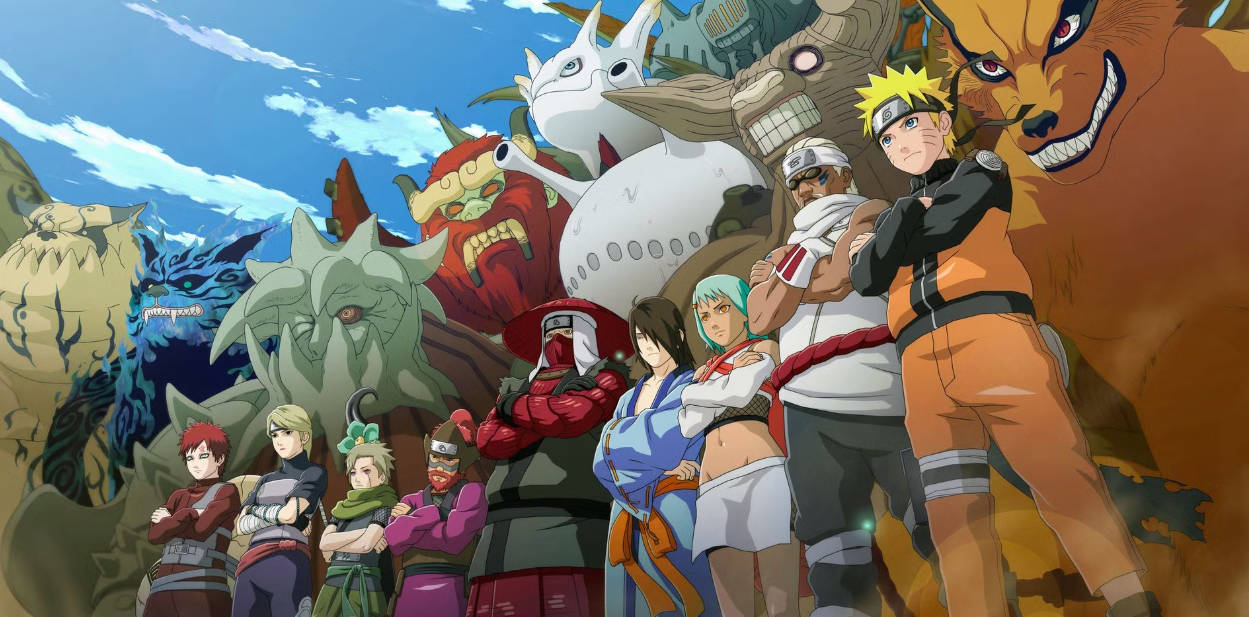
The tailed beasts, or bijuu, stand as some of the most powerful entities in the Naruto universe. These massive creatures of chakra have shaped the course of ninja history, influencing wars, creating heroes, and instilling fear across the shinobi world. This comprehensive analysis explores the nature of the tailed beasts, the unique abilities of their jinchuriki hosts, and the complex relationship between these powerful entities and the humans who carry them.
Part 1: The Tailed Beasts - Origins and Nature
Creation and History
The Ten-Tails
- Origin: The Ten-Tails as the original chakra beast
- Divine Tree: The connection to the God Tree and chakra fruit
- Sage of Six Paths: Hagoromo’s role in dividing the Ten-Tails
- Purpose: The creation of the tailed beasts to spread chakra
- Sealing: The initial sealing of the Ten-Tails into the moon
The Nine Tailed Beasts
- Division Process: How Hagoromo split the Ten-Tails’ chakra
- Naming Conventions: The beasts’ names and numbering
- Individual Personalities: Each beast’s unique性格 and traits
- Power Scaling: The general power levels from one to nine tails
- Historical Perception: The shift from revered spirits to feared monsters
Physical and Chakra Properties
Chakra Reserves
- Massive Chakra: The beasts’ near-limitless chakra supply
- Chakra Quality: The purity and potency of tailed beast chakra
- Regeneration: The beasts’ ability to rapidly regenerate chakra
- Chakra Transfer: The ability to share chakra with others
- Chakra Signature: The unique signature of each beast’s chakra
Physical Characteristics
- Size and Form: The varying sizes and appearances of the beasts
- Durability: Their near-invulnerable bodies
- Strength: Their immense physical power
- Speed: Their surprising agility despite their size
- Sensory Abilities: Their enhanced perception and awareness
Part 2: Jinchuriki - The Human Vessels
The Sealing Process
Types of Seals
- Four Symbols Seal: The seal used on Naruto
- Eight Trigrams Seal: The more complex version with two Four Symbols Seals
- Iron Armored Seal: The seal used on Killer B
- Coffin Seal: The seal used on Gaara
- Other Sealing Methods: Variations used by different villages
Sealing Rituals
- Preparation: The steps leading up to the sealing
- Chakra Control: The precise chakra control required
- Sacrifice: The common requirement of a sacrifice
- Vessel Selection: Criteria for choosing a jinchuriki
- Risk Factors: The dangers of the sealing process
Jinchuriki Development
Initial Stages
- Childhood Trauma: The psychological impact of being a jinchuriki
- Village Reaction: The fear and rejection from villagers
- Chakra Suppression: Learning to control the tailed beast’s chakra
- Initial Transformations: The first partial transformations
- Physical Changes: The visible signs of tailed beast influence
Mastery Levels
- Level 1: Unconscious chakra leakage
- Level 2:有意识地使用少量尾兽查克拉
- Level 3: Partial transformation with some control
- Level 4: Full transformation with varying degrees of control
- Level 5: Perfect jinchuriki status with complete control
Part 3: Tailed Beast Techniques
The Tailed Beast Ball
Development and Use
- Basic Mechanics: How the tailed beasts create their signature attack
- Chakra Compression: The process of compressing positive and negative chakra
- Power Scaling: The relationship between tails and attack power
- Variations: Different forms and sizes of the tailed beast ball
- Control Requirements: The skill needed to aim and control the attack
Combat Applications
- Destructive Power: The ability to level mountains
- Range: The long-distance capability
- Speed: The velocity of the attack
- Defense Against: Known countermeasures
- Combination Techniques: Using the tailed beast ball with other jutsu
Tailed Beast Chakra Arms
Formation and Control
- Chakra Manifestation: Creating solid appendages from chakra
- Number and Size: Varying based on the amount of chakra used
- Fine Motor Skills: The precision possible with chakra arms
- Duration: How long the arms can be maintained
- Chakra Cost: The energy required to create and control them
Combat Uses
- Extended Reach: Attacking from a distance
- Multiple Targets: Engaging multiple opponents simultaneously
- Weapon Wielding: Using the arms to wield weapons
- Defensive Blocks: Creating shields and barriers
- Environmental Manipulation: Interacting with the surroundings
Other Tailed Beast Techniques
Elemental Techniques
- Nature Affinities: Each beast’s natural elemental affinity
- Unique Elements: Special elements used by certain beasts
- Elemental Combinations: Advanced techniques combining elements
- Environmental Influence: The beasts’ ability to alter their surroundings
- Weather Manipulation: Some beasts’ ability to control weather patterns
Sensory and Support Techniques
- Chakra Sensing: Enhanced detection of chakra signatures
- Telepathy: Communication between beasts and jinchuriki
- Chakra Transfer: Sharing chakra with allies
- Healing: Accelerating the healing process
- Barrier Creation: Generating protective barriers
Part 4: Jinchuriki Transformations
Partial Transformations
Early Stages
- Chakra Cloak: The initial manifestation of tailed beast chakra
- Physical Changes: Eye color, markings, and altered appearance
- Strength Enhancement: Increased physical capabilities
- Speed Boost: Enhanced movement speed and reflexes
- Durability: Increased resistance to damage
Advanced Partial Forms
- Tailed Cloaks: The appearance of tails made of chakra
- Power Scaling: Each tail representing increased power
- Loss of Control: The risk of becoming overwhelmed by the tailed beast
- Physical Strain: The toll on the jinchuriki’s body
- Recovery Period: The time needed to recover after transformation
Full Transformations
Uncontrolled Forms
- Berserker State: The jinchuriki losing control to the tailed beast
- Rampage: The destructive behavior of an uncontrolled transformation
- Physical Appearance: The complete transformation into the tailed beast
- Mental State: The jinchuriki’s consciousness during transformation
- Countermeasures: How villages handle rampaging jinchuriki
Controlled Full Transformations
- Perfect Jinchuriki: Achieving complete control over the tailed beast
- Mental Synchronization: The harmony between jinchuriki and beast
- Physical Transformation: The ability to fully transform at will
- Speech Capacity: The ability to communicate in full transformation
- Sustained Use: The ability to maintain the form without strain
Sage Mode Combinations
Tailed Beast Sage Mode
- Naruto’s Innovation: Combining sage mode with tailed beast chakra
- Natural Energy Integration: The addition of natural energy to tailed beast chakra
- Enhanced Abilities: The increased power of this combined form
- Unique Appearance: The distinctive markings and eyes
- Sensory Perception: The enhanced sensory abilities
Other Jinchuriki Enhancements
- Elemental Enhancements: Combining tailed beast chakra with elemental nature
- Kekkei Genkai Integration: Jinchuriki with bloodline limits
- Taijutsu Enhancement: Using tailed beast chakra to boost physical techniques
- Ninjutsu Amplification: Increasing the power of regular techniques
- Genjutsu Resistance: Enhanced resistance to illusion techniques
Part 5: Notable Jinchuriki and Their Abilities
Naruto Uzumaki - The Nine-Tails Jinchuriki
Development Process
- Childhood Struggles: His early difficulties with the Nine-Tails
- Jiraiya’s Guidance: Learning to control the chakra
- Four-Tailed Transformation: His first major loss of control
- Eight-Tailed Transformation: The near complete takeover
- Perfect Jinchuriki: Achieving harmony with Kurama
Unique Abilities
- Sage Mode + Kurama Chakra: The combined power
- Six Paths Sage Mode: The divine enhancement
- Truth-Seeking Balls: The black orbs of condensed chakra
- Shadow Clone Barrage: Using Kurama’s chakra for massive clone armies
- Rasengan Variations: Enhanced Rasengan techniques using tailed beast chakra
- Chakra Transfer: Sharing Kurama’s chakra with allies
Killer B - The Eight-Tails Jinchuriki
Perfect Jinchuriki Status
- Beast Harmony: His complete control over Gyuki
- Rap Battle: His unique way of communicating with Gyuki
- Training Methods: How he achieved perfect control
- Gyuki’s Personality: The Eight-Tails’ laid-back性格
- Mutual Respect: The genuine friendship between B and Gyuki
Combat Techniques
- Tailed Beast Ball Variations: Creative uses of the technique
- Lariat Techniques: His signature lariat attacks
- Swordsmanship: His skill with seven swords
- Partial Transformations: Strategic use of partial transformations
- Chakra Arms: Precise control of multiple chakra arms
- Gyuki’s Ink: Using the Eight-Tails’ ink for various techniques
Gaara - The One-Tailed Jinchuriki
Early Life and Struggles
- Mother’s Love: The sand’s automatic protection
- Shukaku’s Influence: The One-Tailed Beast’s malicious influence
- Village Rejection: The isolation he faced as a child
- Loss of Control: His rampages and eventual sealing
- Redemption: His journey from villain to Kazekage
Sand Techniques
- Sand Manipulation: His mastery of sand control
- Automatic Defense: The sand’s subconscious protection
- Desert Coffin: His signature technique
- Desert Funeral: The lethal follow-up technique
- Sand Shield: His impenetrable defense
- Flight: Using sand to fly through the air
Other Notable Jinchuriki
Yagura Karatachi - The Three-Tails Jinchuriki
- Hidden Mist Village: His role as the Fourth Mizukage
- Control Methods: How he controlled the Three-Tails
- Combat Abilities: His water-based techniques
- Tobi’s Manipulation: His control by the masked man
Fu - The Seven-Tails Jinchuriki
- 泷隐村: Her village and background
- Insect Control: Her unique ability to control insects
- Tailed Beast Integration: How she combined her abilities with the Seven-Tails
- Capture by Akatsuki: Her fate at the hands of the organization
Han - The Five-Tails Jinchuriki
- 岩隐村: His village and role
- Lava Release: His kekkei genkai
- Tailed Beast Combination: How he enhanced his lava techniques
- Combat Style: His aggressive fighting approach
Part 6: The Jinchuriki-Tailed Beast Relationship
The Struggle for Control
Early Conflict
- Dominance Battles: The initial struggle between jinchuriki and beast
- Hatred and Fear: The negative emotions on both sides
- Physical Pain: The pain of extraction attempts
- Mental Torture: The psychological warfare between them
- Isolation: The mutual isolation they impose on each other
Path to Harmony
- Understanding: The first steps toward mutual understanding
- Compromise: Finding middle ground between human and beast
- Trust Building: The gradual development of trust
- Shared Goals: Finding common purpose
- True Friendship: The rare bond of genuine friendship
Benefits of the Bond
Increased Power
- Combined Strength: The power of human creativity with beast chakra
- Enhanced Abilities: The amplification of the jinchuriki’s existing skills
- New Techniques: The creation of unique hybrid techniques
- Stamina Increase: The near-limitless stamina from the beast’s chakra
- Healing Factor: The accelerated healing from tailed beast chakra
Emotional Support
- Companionship: The beast as a constant companion
- Mental Resilience: The increased mental strength from the bond
- Shared Wisdom: The beast’s knowledge and experience
- Emotional Balance: The beast’s influence on the jinchuriki’s emotions
- Sense of Purpose: The mission to protect the beast and vice versa
Part 7: Tailed Beasts in Combat
Offensive Capabilities
Destructive Techniques
- Tailed Beast Ball: The signature destructive technique
- Physical Attacks: The beasts’ immense strength in melee combat
- Elemental Attacks: The various elemental techniques
- Chakra Arms: The versatile appendages for attack
- Berserker Mode: The unstoppable rampage of an enraged beast
Tactical Approaches
- Brute Force: Using raw power to overwhelm opponents
- Strategic Thinking: The beasts’ tactical abilities
- Environmental Manipulation: Altering the battlefield to their advantage
- Teamwork: Coordinating attacks with jinchuriki or other beasts
- Adaptability: Adjusting strategies based on opponents
Defensive Capabilities
Natural Defenses
- Durable Bodies: Their near-invulnerable physical forms
- Chakra Shields: Creating protective barriers of chakra
- Regeneration: Rapidly healing from injuries
- Size Advantage: Using their large size to block attacks
- Evasion: Their surprising agility for evading attacks
Strategic Defense
- Retreat Tactics: Knowing when to withdraw
- Camouflage: Using the environment to hide
- Chakra Suppression: Concealing their presence
- Counter-Attacks: Turning defense into offense
- Ally Protection: Using their bodies to shield allies
Part 8: Thematic Significance
Tailed Beasts as Metaphors
Power and Responsibility
- Great Power: The immense power of the tailed beasts
- Great Responsibility: The burden that comes with that power
- Abuse of Power: The consequences of misusing their power
- Humility: The importance of humility despite power
- Sacrifice: The sacrifices required to control such power
Prejudice and Acceptance
- Fear of the Other: The village’s fear of jinchuriki
- Dehumanization: The treatment of jinchuriki as monsters
- Redemption: The possibility of overcoming prejudice
- Acceptance: Learning to accept those who are different
- Unity: The strength that comes from unity between human and beast
Trauma and Healing
- Past Trauma: The historical trauma of the tailed beasts
- Cycle of Violence: How trauma begets more trauma
- Healing Process: The journey toward healing
- Forgiveness: The power of forgiveness to break cycles
- Hope: The possibility of a better future despite past pain
Philosophical Implications
Nature vs. Nurture
- Tailed Beast Nature: The inherent nature of the beasts
- Jinchuriki Nurture: The influence of the host’s upbringing
- Interaction: How nature and nurture shape the relationship
- Free Will: The beasts’ ability to choose their own paths
- Moral Agency: The question of moral responsibility for the beasts’ actions
Individual vs. Collective
- Individual Identity: The beasts’ sense of self
- Collective Purpose: Their role in the greater ninja world
- Balance: Finding balance between individual desires and collective needs
- Unity in Diversity: The strength of the nine beasts working together
- Interconnectedness: How all beings are connected through chakra
The Meaning of Strength
- Physical Strength: The beasts’ immense physical power
- Mental Strength: The strength to overcome past trauma
- Emotional Strength: The strength to trust and forgive
- Spiritual Strength: The strength of the bond between jinchuriki and beast
- True Strength: The realization that strength comes from within
Part 9: The Legacy of the Tailed Beasts
Historical Impact
War and Conflict
- Bijuu Wars: The wars fought over the tailed beasts
- Village Balance: The role of jinchuriki in maintaining power balance
- Strategic Weapons: The use of jinchuriki as military assets
- Fear Tactics: The use of tailed beasts to intimidate enemies
- Political Leverage: The diplomatic power of controlling tailed beasts
Peace and Unity
- Allied Shinobi Forces: The tailed beasts’ role in the Fourth Great Ninja War
- Naruto’s Vision: The new era of cooperation between beasts and humans
- Beast Integration: The tailed beasts’ place in the post-war world
- Knowledge Sharing: The beasts’ wisdom contributing to the ninja world
- Guardianship: The beasts as protectors rather than weapons
Future Generations
Jinchuriki Legacy
- Post-War Status: The end of the jinchuriki system
- Beast Autonomy: The tailed beasts’ newfound freedom
- Spiritual Guides: The beasts as mentors to future generations
- Chakra Donors: The beasts’ role in sharing chakra with those in need
- Cultural Icons: The beasts’ place in ninja culture and tradition
Naruto’s Influence
- Beast Alliance: The coalition of tailed beasts under Naruto’s leadership
- Bijuu Network: The communication network between the beasts
- Balance of Power: The new equilibrium in the ninja world
- Peaceful Coexistence: The model for human-beast relationships
- Enduring Legacy: Naruto’s impact on the tailed beasts’ future
Conclusion
The tailed beasts and their jinchuriki represent one of the most fascinating and complex aspects of the Naruto universe. What begins as a story of fear and conflict evolves into a narrative of understanding, acceptance, and unity.
The journey of the tailed beasts—from feared monsters to respected allies—mirrors the journey of the human characters in the series. It is a story about overcoming prejudice, finding common ground, and discovering that our greatest strength often comes from our connections with others.
The jinchuriki, in turn, represent the potential for growth and transformation. Characters like Naruto, Gaara, and Killer B show us that even those burdened with immense pain and power can find redemption, purpose, and happiness.
At its core, the story of the tailed beasts is a metaphor for the human experience—our struggle with our inner demons, our search for acceptance, and our capacity for love and forgiveness. It reminds us that even the most feared and misunderstood among us have value, and that true strength comes not from domination, but from harmony.
As the Naruto series concludes, the tailed beasts stand not as weapons of destruction, but as symbols of hope and unity—a testament to the power of understanding and the possibility of a better future for all beings, regardless of their origin or nature.