Taijutsu and Eight Gates Ultimate Guide
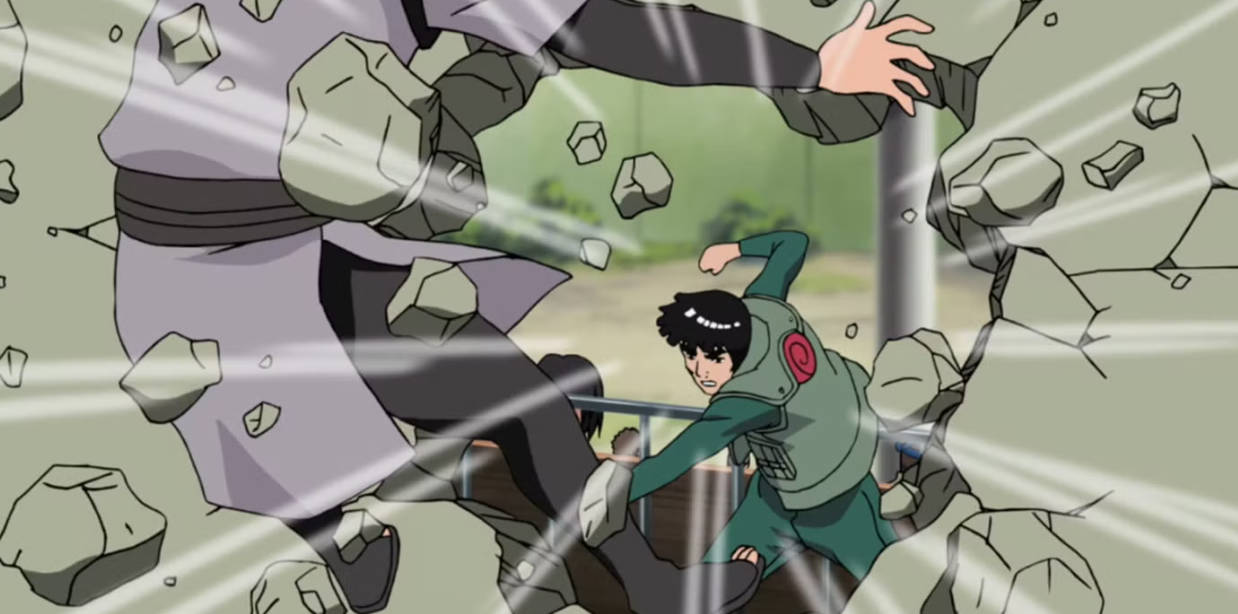
Taijutsu and Eight Gates Ultimate Guide
Taijutsu, the art of physical combat, represents the most fundamental and accessible form of ninja technique in the Naruto universe. While ninjutsu and genjutsu often take center stage with their flashy displays of power, taijutsu remains the foundation upon which all ninja combat is built. This comprehensive guide explores the depth of taijutsu, from basic strikes to the awe-inspiring Eight Gates Release, showcasing the incredible potential of the human body when pushed to its limits.
Part 1: Foundations of Taijutsu
Basic Principles
Physical Conditioning
- Strength Training: Building foundational physical strength
- Speed Development: Enhancing movement speed and reflexes
- Endurance Training: Building stamina for prolonged combat
- Flexibility: Improving range of motion and agility
- Balance: Developing stability for complex maneuvers
Combat Stances
- Ready Positions: Basic stances for different combat scenarios
- Weight Distribution: Proper balance for offensive and defensive moves
- Footwork: Essential steps for movement and positioning
- Hand Positions: Effective placement for strikes and blocks
- Adaptability: Adjusting stance based on opponent and environment
Fundamental Techniques
Striking Techniques
- Punch Variations: Straight, hook, uppercut, and palm strikes
- Kick Techniques: Front, side, roundhouse, and axe kicks
- Elbow Strikes: Close-range elbow techniques
- Knee Strikes: Powerful close-quarters knee attacks
- Combination Strikes: Linking multiple strikes for maximum effect
Defensive Maneuvers
- Blocking Techniques: Using arms, legs, and body to block attacks
- Dodging: Evading attacks through movement
- Parrying: Redirecting an opponent’s attack
- Counter-Attacks: Responding to an attack with a strike of your own
- Defensive Postures: Positions that maximize protection
Part 2: Advanced Taijutsu
Chakra-Enhanced Taijutsu
Chakra Flow
- Chakra Infusion: Channeling chakra into limbs for enhanced strikes
- Chakra Enhancement: Increasing physical capabilities through chakra
- Precision Strikes: Using chakra to target vital points
- Chakra Armor: Creating a protective layer of chakra
- Sensory Enhancement: Using chakra to enhance physical awareness
Elemental Taijutsu
- Fire Release Taijutsu: Infusing strikes with fire chakra
- Lightning Release Taijutsu: Increasing speed and piercing power with lightning
- Wind Release Taijutsu: Adding cutting power to strikes
- Earth Release Taijutsu: Increasing defensive capabilities and strength
- Water Release Taijutsu: Flowing, adaptable strikes
Clan-Specific Taijutsu
Hyuga Gentle Fist
- Byakugan Integration: Using the Byakugan to see chakra points
- Chakra Point Strikes: Hitting tenketsu to disrupt chakra flow
- Eight Trigrams Palm Rotation: Defensive spinning technique
- Eight Trigrams Sixty-Four Palms: Sealing multiple chakra points
- Gentle Step Twin Lion Fists: Advanced technique with lion-shaped chakra
Other Clan Styles
- Inuzuka Beast Taijutsu: Combined with ninken partners
- Aburame Bug Taijutsu: Using insects in conjunction with physical attacks
- Yamanaka Mind Taijutsu: Combining mind techniques with physical strikes
- Nara Shadow Taijutsu: Using shadows to enhance physical attacks
- Akimichi Expansion Taijutsu: Size-enhancing techniques for increased power
Part 3: The Eight Gates - Human Potential Unleashed
The Gates System
Anatomy of the Gates
- Gate Locations: The physical location of each gate in the body
- Chakra Pathway System: How the gates regulate chakra flow
- Natural Restrictions: The body’s built-in safety mechanisms
- Gate Functions: The specific purpose of each gate
- Opening Sequence: The order and requirements for opening each gate
The Eight Gates
-
Gate of Opening (Kaimon)
- Location: Cerebrum
- Effect: Releases brain’s limiters on muscle strain
- Physical Changes: Slight increase in speed and strength
- Strain Level: Minimal
- Combat Applications: Initial boost for early combat
-
Gate of Healing (Kyumon)
- Location: Brain stem
- Effect: Heals fatigue and refreshes the body
- Physical Changes: Restored energy levels
- Strain Level: Low
- Combat Applications: Recovering during extended battles
-
Gate of Life (Seimon)
- Location: Spinal cord
- Effect: Increases blood flow and oxygen supply
- Physical Changes: Visible vein protrusion
- Strain Level: Moderate
- Combat Applications: Significant boost in all physical attributes
-
Gate of Pain (Shomon)
- Location: Between the shoulder blades
- Effect: Ignites the body’s metabolism
- Physical Changes: Steam rising from the body
- Strain Level: High
- Combat Applications: Dramatic increase in speed and power
-
Gate of Limit (Tomon)
- Location: Lower abdomen
- Effect: Removes limits on physical exertion
- Physical Changes: Intense steam emission
- Strain Level: Very high
- Combat Applications: Superhuman speed and strength
-
Gate of View (Keimon)
- Location: Stomach
- Effect: Enhances all senses
- Physical Changes: Skin color changes, more intense steam
- Strain Level: Severe
- Combat Applications: Precise movements and enhanced perception
-
Gate of Wonder (Kyomon)
- Location: Right side of the chest
- Effect: Maximum physical enhancement
- Physical Changes: Red skin, hair stands on end
- Strain Level: Critical
- Combat Applications: Near-invincible physical capabilities
-
Gate of Death (Shimon)
- Location: Heart
- Effect: Releasing all physical limitations
- Physical Changes: Skin turns red, steam becomes blue
- Strain Level: Fatal
- Combat Applications: God-like power at the cost of life
Training and Mastery
Physical Preparation
- Basic Conditioning: Building the foundation for gate opening
- Gate-Specific Training: Preparing each gate for controlled opening
- Chakra Control: Developing the precision to open gates safely
- Mental Preparation: The focus required to endure gate opening
- Recovery Training: Learning to recover from gate usage
Risk Management
- Gradual Progression: Opening gates in sequence to build tolerance
- Controlled Release: Learning to open gates partially
- Emergency Closure: Closing gates quickly to minimize damage
- Recovery Techniques: Methods to heal from gate-induced damage
- Acceptance of Risk: Understanding the danger of the Eight Gates
Part 4: Eight Gates Techniques
Individual Gate Techniques
Gates 1-4: Enhanced Combat
- Leaf Whirlwind: A flurry of kicks enhanced by the first few gates
- Dynamic Entry: A powerful flying kick
- Reverse Lotus: A combination attack using the first three gates
- Front Lotus: A precursor to the Reverse Lotus
- Shadow of the Dancing Leaf: A technique to position behind an opponent
Gates 5-7: Superhuman Techniques
- Morning Peacock: Fists moving so fast they ignite the air
- Daytime Tiger: A massive energy blast formed from air pressure
- Leaf Dragon God: A complex combination of strikes
- Air Palm: A long-range shockwave attack
- Drunken Fist: A unpredictable style enhanced by gate power
Eighth Gate: Seppuku no Jutsu
- Night Guy: The ultimate technique of the Eight Gates
- Eight Gates Released Formation: The complete state of all gates open
- Space-Time Distortion: Moves so fast they warp perception
- Reality-Bending Power: Strikes that can alter the landscape
- Fatal Consequences: The unavoidable death that follows
Combination Techniques
Team Taijutsu
- Synchronized Attacks: Coordinated strikes with allies
- Tag Team Maneuvers: Partnered techniques for maximum effect
- Support Techniques: One ninja supporting another’s attack
- Combination Styles: Merging different taijutsu styles
- Strategic Positioning: Using team members to create openings
Taijutsu-Ninjutsu Combinations
- Chakra-Enhanced Strikes: Combining ninjutsu with physical attacks
- Elemental Infusion: Adding nature transformation to taijutsu
- Range Extension: Using ninjutsu to extend the reach of taijutsu
- Defensive Combinations: Using ninjutsu to enhance taijutsu defense
- Environmental Manipulation: Using ninjutsu to alter the battlefield for taijutsu advantage
Part 5: Notable Taijutsu Masters
Might Gai
The Taijutsu Specialist
- Gate Mastery: His complete control over the Eight Gates
- Physical Prowess: His superhuman physical capabilities
- Training Regimen: His extreme training methods
- Combat Philosophy: The importance of hard work and determination
- Rivalry with Kakashi: His friendly competition with the Copy Ninja
Legendary Battles
- Vs. Kisame: His first major display of gate power
- Vs. Madara: His iconic Eighth Gate battle
- Vs. Six Paths of Pain: His role in defending the village
- Training Battles: His fights with students to help them grow
- Philosophical Conflicts: Using taijutsu to teach life lessons
Rock Lee
The Hard Worker
- No Ninjutsu: His reliance on taijutsu due to limited ninjutsu ability
- Gai’s Student: His training under Might Gai
- Eight Gates Potential: His progress in gate opening
- Drunken Fist: His accidental discovery of this technique
- Youthful Energy: His boundless enthusiasm and determination
Key Moments
- Chunin Exams: His battle with Gaara
- Sasuke Retrieval: His fight with Kimimaro
- Fourth Great Ninja War: His contributions to the war effort
- Post-War Development: His growth into an adult ninja
- Fatherhood: Passing on his taijutsu legacy
Other Taijutsu Experts
Might Duy
- The Eternal Genin: Gai’s father and Eight Gates master
- Fourth Great Ninja War: His posthumous appearance
- Eight Gates Sacrifice: His heroic last stand
- Legacy: His influence on Gai’s training and philosophy
Neji Hyuga
- Gentle Fist Mastery: His unparalleled skill with the Hyuga style
- Byakugan Integration: His perfect use of the Byakugan in combat
- Eight Trigrams Mastery: His complete control of Hyuga techniques
- Strategic Genius: His tactical approach to taijutsu
- Chunin Exams: His battle with Naruto
Guy’s Team
- Tenten: Her weapon-based taijutsu
- Neji Hyuga: His Gentle Fist techniques
- Rock Lee: His pure taijutsu focus
- Team Dynamics: How their different styles complement each other
- Training Together: Their combined training regimens
Part 6: Taijutsu in Different Ninja Styles
Village-Specific Styles
Konohagakure Taijutsu
- Leaf Style: The foundational taijutsu of the Leaf Village
- Hyuga Style: The Gentle Fist technique
- Inuzuka Style: Beast-style taijutsu
- Akimichi Style: Size-enhancing techniques
- Yamanaka Style: Mind-body taijutsu
Other Village Styles
- Kumogakure Lightning Taijutsu: Speed-focused techniques
- Kirigakure Silent Killing: Stealth-based taijutsu
- Iwagakure Earth Taijutsu: Strength-focused techniques
- Sunagakure Sand Taijutsu: Defensive, evasive techniques
- Amegakure Rain Taijutsu: Fluid, adaptive techniques
Clan Taijutsu Styles
The Hyuga Style
- Gentle Fist Principles: Attacking chakra points
- Eight Trigrams Techniques: The core of Hyuga taijutsu
- Byakugan Synergy: How the dojutsu enhances their style
- Training Methods: The rigorous Hyuga training
- Clan Secrets: Hidden techniques of the Main House
The Inuzuka Style
- Beast Mimicry: Techniques based on animal movements
- Partner Combat: Fighting alongside ninken
- Scent Tracking: Using enhanced sense of smell
- Four-Legged Technique: Moving on all fours for speed
- Combination Attacks: Coordinated moves with canine partners
The Akimichi Style
- Size Manipulation: Expanding body parts for increased power
- Calorie Control: Using stored energy for techniques
- Stretching Techniques: Extending limbs for increased reach
- Mass Enhancement: Increasing weight for powerful strikes
- Defensive Techniques: Using size for protection
Part 7: Taijutsu Training Systems
Basic Training Regimens
Daily Routines
- Morning Exercises: Stretching and basic conditioning
- Technical Drills: Practicing specific techniques
- Sparring Sessions: Controlled combat practice
- Endurance Training: Long-distance running and stamina building
- Recovery Periods: Rest and recuperation
Progressive Challenges
- Obstacle Courses: Navigating difficult terrain
- Weight Training: Increasing strength through resistance
- Speed Drills: Improving reaction time and movement speed
- Combat Simulations: Practicing against multiple opponents
- Environmental Adaptation: Training in different settings
Advanced Training Methods
Extreme Conditioning
- High-Altitude Training: Building endurance in thin air
- Underwater Training: Increasing lung capacity and strength
- Heat Training: Conditioning in extreme temperatures
- Cold Training: Building resilience to cold environments
- Pain Tolerance: Increasing threshold for physical discomfort
Mental Training
- Visualization: Mentally rehearsing techniques
- Meditation: Improving focus and concentration
- Breath Control: Managing breathing during intense exertion
- Combat Psychology: Developing the right mindset for battle
- Pain Management: Learning to fight through discomfort
Part 8: Taijutsu in Combat
Tactical Applications
One-on-One Combat
- Analyzing Opponents: Studying an opponent’s style and weaknesses
- Adapting Techniques: Modifying style based on opponent
- Distance Management: Controlling the range of combat
- Pacing: Managing energy and setting the tempo
- Finishing Moves: Decisive techniques to end a fight
Group Combat
- Target Prioritization: Choosing which opponent to engage first
- Positioning: Finding advantageous locations in a group fight
- Team Coordination: Working with allies effectively
- Environmental Use: Using surroundings to gain advantage
- Mob Control: Managing multiple attackers simultaneously
Defensive Strategies
Counter-Taijutsu
- Reading Moves: Anticipating an opponent’s attacks
- Neutralizing Strikes: Defending against specific techniques
- Disarming Techniques: Removing an opponent’s weapon
- Grappling Defenses: Countering holds and throws
- Escape Maneuvers: Breaking free from disadvantaged positions
Environmental Adaptation
- Terrain Use: Fighting effectively in different environments
- Weather Adaptation: Adjusting technique for weather conditions
- Urban Combat: Fighting in built-up areas
- Natural Settings: Using nature to enhance defense
- Improvised Weapons: Using nearby objects defensively
Part 9: Thematic Significance
Taijutsu as Metaphor
Hard Work and Determination
- Lee’s Journey: His rise through sheer effort
- Gai’s Philosophy: The power of perseverance
- Natural Talent vs. Effort: The debate between innate ability and hard work
- Overcoming Limitations: Pushing past perceived boundaries
- The Human Spirit: The indomitable will to succeed
The Body as Weapon
- Self-Reliance: Taijutsu as a self-contained fighting style
- Physical Potential: The untapped power of the human body
- Discipline: The control required for advanced techniques
- Sacrifice: The willingness to risk one’s body for victory
- Respect for the Body: Understanding and honoring physical limits
Balance and Harmony
- Body-Mind Connection: The unity of physical and mental discipline
- Offense and Defense: Balancing attack and protection
- Strength and Speed: Finding the right mix of power and agility
- Rest and Training: The importance of recovery
- Adaptability: The ability to adjust to changing circumstances
Philosophical Implications
The Path of the Warrior
- Bushido Influence: The samurai code’s impact on ninja philosophy
- Martial Virtues: Honor, courage, and discipline
- Self-Improvement: Continuous growth through training
- Respect for Opponents: Honoring worthy adversaries
- The Warrior’s Purpose: Fighting for a greater cause
Human Potential
- Transcending Limits: The Eight Gates as a metaphor for human potential
- Mind Over Matter: The power of will to overcome physical limitations
- The Body as Temple: Treating the body with respect
- Mortality and Sacrifice: The acceptance of death in pursuit of greatness
- Legacy Through Teaching: Passing on knowledge to future generations
Conclusion
Taijutsu stands as a testament to the incredible potential of the human body and spirit. From basic strikes to the awe-inspiring Eight Gates, it showcases what can be achieved through dedication, discipline, and unwavering determination.
What makes taijutsu truly remarkable is its accessibility. Unlike ninjutsu and genjutsu, which often require specific bloodlines or extensive chakra control, taijutsu is available to anyone willing to put in the effort. It is the great equalizer, allowing a ninja without special abilities to stand toe-to-toe with those who possess powerful kekkei genkai.
The Eight Gates, in particular, represent the ultimate expression of human potential. They remind us that we are all capable of extraordinary feats when we are willing to push past our perceived limits, even if it comes at great cost.
Through characters like Might Gai and Rock Lee, we see the beauty of the taijutsu path—one of hard work, perseverance, and unyielding spirit. They show us that true strength comes not from inherent power, but from the choices we make and the effort we put forth.
In a world often dominated by flashy jutsu and supernatural abilities, taijutsu remains a powerful reminder of the strength that lies within each of us—a strength that can move mountains, change destinies, and inspire generations to come.