Organizations and Groups in the Shinobi World
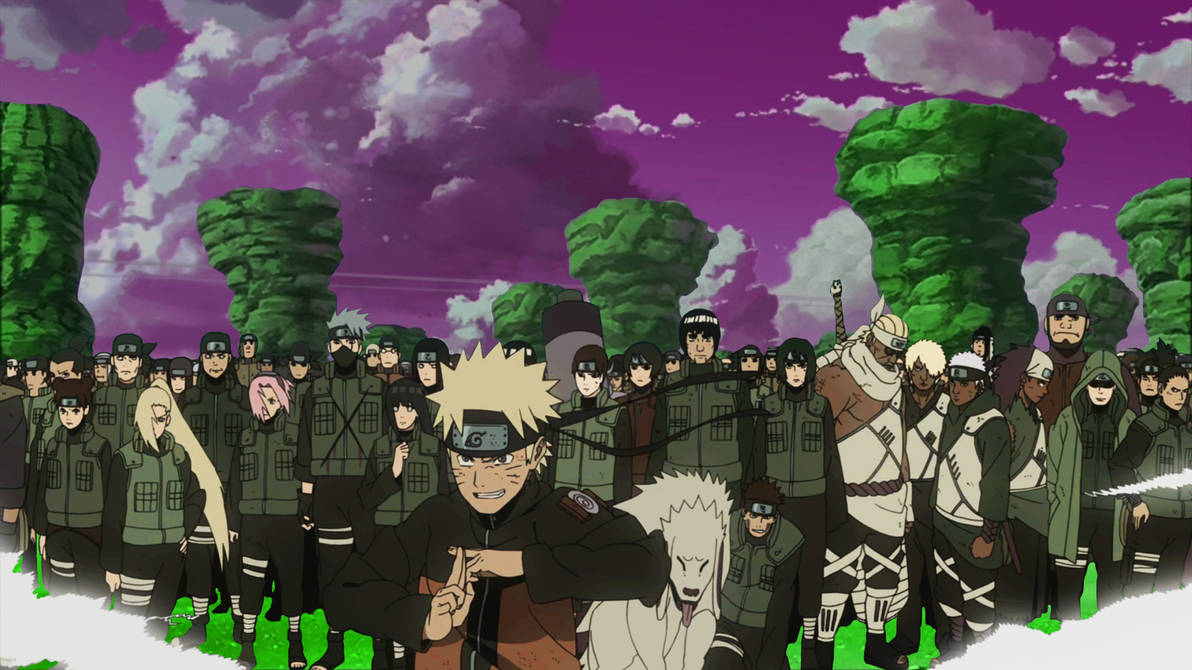
Organizations and Groups in the Shinobi World
The Naruto universe is populated by a diverse array of organizations and groups that play crucial roles in shaping the political landscape, driving the narrative, and providing context for character motivations. From powerful clans to secret societies, from criminal organizations to international alliances, this comprehensive analysis explores the intricate web of groups that define the shinobi world’s social and political structure.
Part 1: Ninja Clans
Major Clans
Uchiha Clan
- Origins: Descendants of Indra Ōtsutsuki
- Special Ability: Sharingan, a powerful dōjutsu
- Notable Members: Madara, Itachi, Sasuke
- Clan History: Rich and tragic legacy
- Crest: Fan symbol representing fire
Senju Clan
- Origins: Descendants of Asura Ōtsutsuki
- Special Ability: Wood Release kekkei genkai
- Notable Members: Hashirama, Tobirama, Tsunade
- Clan History: Founders of Konohagakure
- Crest: Cherry blossom symbol representing life
Hyuga Clan
- Origins: Ancient clan with Byakugan
- Special Ability: Byakugan, a powerful dōjutsu
- Notable Members: Hiashi, Hinata, Neji
- Clan Structure: Main and branch families
- Crest: Bird symbol representing vision
Uzumaki Clan
- Origins: Land of Whirlpools
- Special Ability: Powerful life force and sealing techniques
- Notable Members: Mito, Kushina, Naruto
- Clan History: Nearly wiped out, scattered survivors
- Crest: Spiral symbol representing resilience
Minor Clans
Aburame Clan
- Special Ability: Insect-based techniques
- Clan Customs: Living in harmony with insects
- Notable Members: Shino
- Role in Konoha: Intelligence and tracking
- Crest: Insect symbol representing symbiosis
Inuzuka Clan
- Special Ability: Canine companions and heightened senses
- Clan Customs: Living with ninken (ninja dogs)
- Notable Members: Kiba, Hana
- Role in Konoha: Tracking and search missions
- Crest: Dog paw symbol representing loyalty
Yamanaka Clan
- Special Ability: Mind transfer and communication techniques
- Clan Business: Flower shop in Konoha
- Notable Members: Ino, Inoichi
- Role in Konoha: Intelligence and communication
- Crest: Flower symbol representing connection
Akimichi Clan
- Special Ability: Size manipulation and powerful physical attacks
- Clan Customs: Great appreciation for food
- Notable Members: Choji, Choza
- Role in Konoha: Heavy assault and defense
- Crest: Triangle symbol representing strength
Nara Clan
- Special Ability: Shadow manipulation techniques
- Clan Business: Deer keeping and pharmaceutical research
- Notable Members: Shikamaru, Shikaku
- Role in Konoha: Strategy and tactical planning
- Crest: Deer symbol representing wisdom
Part 2: Village Organizations
Konohagakure
Konoha Military Police Force
- Founding: Established by the Uchiha Clan
- Purpose: Maintaining order within the village
- Authority: Enforcing village laws
- Uniform: Distinctive police attire
- Controversy: Tensions between the Uchiha and village leadership
Konoha Intelligence Division
- Purpose: Gathering and analyzing information
- Methods: Espionage and surveillance
- Leadership: Typically led by experienced jonin
- Role in Missions: Providing intelligence support
- Counterintelligence: Preventing enemy spying
Konoha Medical Corps
- Purpose: Providing healthcare and medical support
- Leadership: Chief Medical Officer (e.g., Tsunade)
- Training: Specialized medical ninja education
- Facilities: Konoha Hospital
- Research: Medical jutsu development
Konoha Academy
- Purpose: Training new ninja
- Curriculum: Basic ninja skills and academic knowledge
- Faculty: Experienced ninja instructors
- Graduation Requirements: Passing the graduation exam
- Notable Graduates: Naruto, Sasuke, Sakura
Other Village Organizations
Sunagakure Wind Dancers
- Purpose: Specialized combat unit
- Techniques: Wind-based jutsu
- Role: Fast attack and reconnaissance
- Training: Desert survival and combat
- Notable Members: Temari
Iwagakure Rock Corps
- Purpose: Defensive unit specializing in earth techniques
- Techniques: Earth Release jutsu
- Role: Fortification and defense
- Training: Mountain warfare
- Notable Members: Deidara (former)
Kumogakure Lightning Corps
- Purpose: Offensive unit specializing in lightning techniques
- Techniques: Lightning Release jutsu
- Role: Shock troops and assassinations
- Training: High-altitude combat
- Notable Members: A, Killer B
Kirigakure Seven Swordsmen of the Mist
- Purpose: Elite combat unit
- Equipment: Legendary swords
- Role: Frontline combat and assassination
- Training: Intense combat drills
- Notable Members: Zabuza, Kisame, Killer B (former)
Part 3: International Organizations
Five Great Nations
Five Kage Summit
- Purpose: Gathering of the five village leaders
- Frequency: Called as needed for major issues
- Location: Rotates between villages
- Decision-Making: Collective decisions on global issues
- Historical Significance: Evolution from competition to cooperation
Allied Shinobi Forces
- Formation: Created to fight the Fourth Great Ninja War
- Structure: Unified command under the Five Kage
- Purpose: Coordinated defense against major threats
- Post-War Role: Maintaining peace and stability
- Membership: All major and minor ninja villages
Minor Nations Alliance
Land of Rain, Grass, and River Alliance
- Purpose: Mutual defense and economic cooperation
- Members: Smaller nations between major powers
- Challenges: Balancing relations with major powers
- Strength: Collective security
- Limitations: Limited military power
Coastal Nations Trade League
- Purpose: Facilitating maritime trade
- Members: Island nations and coastal villages
- Activities: Managing trade routes and ports
- Naval Power: Combined maritime forces
- Economic Impact: Boosting regional trade
Part 4: Criminal Organizations
Akatsuki
Origins
- Founding: Originally founded by Yahiko, Nagato, and Konan
- Initial Purpose: Bringing peace to the Land of Rain
- Transformation: Taken over by Tobi (Obito) with different goals
- Membership: S-Rank criminals from various villages
- Symbol: Red cloud on black robes
Structure and Operations
- Leadership: Figurehead leader (Pain) and true leader (Tobi)
- Cell Structure: Two-person teams
- Recruitment: Seeking powerful ninja with unique abilities
- Financing: Bounty hunting, mercenary work, theft
- Influence: Manipulating events worldwide
Goals and Philosophy
- Early Goals: Ending war in the Land of Rain
- Later Goals: Eye of the Moon Plan (infinite genjutsu)
- Methods: Terrorism, assassination, manipulation
- Justification: Ending suffering through control
- Legacy: Complex mix of tragedy and evil
Members
- Nagato (Pain): Leader with Rinnegan
- Konan: Paper-based techniques
- Obito Uchiha (Tobi): True mastermind
- Kakuzu: Money-obsessed immortal
- Hidan: Jashinist immortal
- Deidara: Explosive clay artist
- Sasori: Puppet master
- Itachi Uchiha: Spy for Konoha
- Kisame Hoshigaki: Shark-like ninja
- Zetsu: Ancient Ōtsutsuki servant
Other Criminal Groups
Orochimaru’s Network
- Leader: Orochimaru
- Purpose: Scientific research and immortality
- Activities: Kidnapping, experimentation, theft
- Base of Operations: Multiple hidden laboratories
- Notable Members: Kabuto, Yamato (test subject)
Root
- Leader: Danzo Shimura
- Purpose: Protecting Konoha through any means
- Activities: Assassination, espionage, manipulation
- Structure: Secretive, no emotions allowed
- Notable Members: Sai, Fu Yamanaka
Land of Waves Gang
- Leader: Gatō
- Purpose: Controlling shipping and trade
- Activities: Extortion, smuggling, murder
- Influence: Dominated the Land of Waves
- Downfall: Defeated by Team 7
Kusa Ninja Village Undercover Operations
- Purpose: Espionage and sabotage
- Activities: Infiltrating other villages
- Notable Operations: Participation in the Fourth Great Ninja War
- Reputation: Notorious for treachery
- Survival: Adapting to changing political climates
Part 5: Secret Societies
ANBU Black Ops
- Purpose: Covert operations for the village
- Membership: Elite ninja with specialized skills
- Organization: Directly under the Kage’s command
- Activities: Assassination, intelligence, counterintelligence
- Identity: Masked to conceal identity
Foundation
- Purpose: Protecting Konoha’s secrets
- Leader: Danzo Shimura
- Activities: Similar to ANBU but with fewer restrictions
- Membership: Handpicked by Danzo
- Secrecy: Unknown to most villagers
The White Snake Cult
- Leader: Orochimaru
- Purpose: Pursuit of immortality and forbidden jutsu
- Activities: Rituals, experimentation, theft of secrets
- Membership: Loyal followers
- Base of Operations: Hidden laboratories
Jashinism
- Beliefs: Worship of the god Jashin
- Practices: Human sacrifice, ritual combat
- Notable Member: Hidan
- Goals: Spreading Jashin’s influence
- Reputation: Reviled as a dangerous cult
Part 6: Religious and Spiritual Groups
Sage Worship
- Beliefs: Worship of the Sage of Six Paths
- Practices: Prayer, meditation, pilgrimage
- Sites: Shrines dedicated to the Sage
- Priests/Priestesses: Spiritual leaders
- Influence: Widespread across the ninja world
Shinigami Cult
- Beliefs: Worship of the Shinigami (Death God)
- Practices: Rituals involving death and the afterlife
- Secrets: Knowledge of the Reaper Death Seal
- Membership: Selective and secretive
- Influence: Limited but significant
Nature Worship
- Beliefs: Reverence for natural forces and spirits
- Practices: Offerings to nature spirits, environmental stewardship
- Sites: Sacred groves, mountains, and rivers
- Followers: Spread across various villages
- Influence: Shapes many cultural practices
Tailed Beast Cults
- Beliefs: Worship of specific tailed beasts
- Practices: Rituals to appease or harness the beasts’ power
- Locations: Areas where tailed beasts have appeared
- Followers: Local communities
- Influence: Regional, often misunderstood
Part 7: Mercenary Groups
Bounty Hunters
- Purpose: Capturing or killing targets for reward
- Methods: Tracking, combat, negotiation
- Notable Bounty Hunters: Various minor characters
- Regulation: Varies by region
- Reputation: Mixed, often seen as opportunistic
Mercenary Ninja Companies
- Structure: Organized groups of freelance ninja
- Services: Protection, assassination, espionage
- Clients: Villages, merchants, warlords
- Operations: Worldwide
- Notable Companies: Mentioned in filler episodes
Treasure Hunters
- Purpose: Locating and retrieving valuable items
- Methods: Exploration, puzzle-solving, combat
- Targets: Ancient ruins, hidden treasures
- Notable Treasure Hunters: Jiraiya (occasional)
- Risks: Traps, competition, dangerous guardians
Bodyguards for Hire
- Purpose: Providing personal protection
- Clients: Merchants, diplomats, wealthy individuals
- Training: Specialized in defense and threat assessment
- Reputation: Professional, reliable
- Notable Groups: Various mentioned throughout the series
Part 8: Academic and Research Organizations
Ninja Academies
- Purpose: Training new ninja
- Curriculum: Basic ninja skills and theory
- Research: Development of teaching methods
- Collaboration: Sharing best practices between villages
- Notable Academies: Konoha Ninja Academy
Medical Research Centers
- Purpose: Advancing medical ninjutsu
- Research Areas: Healing techniques, disease treatment, prosthetics
- Collaboration: Sharing medical knowledge
- Funding: Village support and private donations
- Notable Centers: Konoha Hospital Research Wing
Jutsu Research Institutes
- Purpose: Developing new jutsu and improving existing ones
- Research Areas: Ninjutsu, taijutsu, genjutsu, kekkei genkai
- Security: Protecting valuable secrets
- Funding: Village resources
- Notable Institutes: Various village research departments
Historical Societies
- Purpose: Preserving and studying ninja history
- Activities: Archaeology, document preservation, historical research
- Membership: Scholars, historians, interested ninja
- Publications: Historical texts and journals
- Influence: Shaping understanding of the past
Part 9: Political Factions
Pro-War Factions
- Beliefs: Strength through military power
- Goals: Expanding village influence, preemptive strikes
- Members: Hardline military leaders and politicians
- Influence: Strong during times of tension
- Examples: Certain elements in Kumogakure and Iwagakure
Peace Factions
- Beliefs: Diplomacy and cooperation over conflict
- Goals: Negotiation, disarmament, cultural exchange
- Members: Idealistic leaders and civilians
- Influence: Growing after the Fourth Great Ninja War
- Examples: Naruto’s administration in Konoha
Isolationist Factions
- Beliefs: Self-reliance and limited foreign contact
- Goals: Protecting village secrets, cultural purity
- Members: Traditionalists and some clan leaders
- Influence: Strong in villages like Kirigakure
- Examples: Certain elements in the Hyuga Clan
Expansionist Factions
- Beliefs: Growth through territorial acquisition
- Goals: Expanding village borders, resource control
- Members: Ambitions leaders and military commanders
- Influence: Periodic resurgence
- Examples: Madara Uchiha’s original vision
Conclusion
The diverse array of organizations and groups in the Naruto universe creates a complex social and political landscape that drives the series’ narrative. From ancient clans with unique abilities to secret societies with hidden agendas, these groups shape the characters’ experiences and motivations.
The interplay between different organizations often drives conflict and cooperation, providing the series with its dramatic tension. The Uchiha Clan’s tragic history, the Akatsuki’s quest for power, and the Allied Shinobi Forces’ struggle for peace all demonstrate how organizations can both unite and divide the shinobi world.
Clans, in particular, play a central role in the series, providing characters with their identities, abilities, and often their greatest challenges. The bonds of clan loyalty and the weight of clan history shape many of the series’ most compelling storylines.
Criminal organizations like Akatsuki and Root provide formidable antagonists, while groups like the Allied Shinobi Forces showcase the power of cooperation. Secret societies add an element of mystery, while religious groups provide cultural context.
As the Naruto series progresses, we see how these organizations evolve. The Fourth Great Ninja War brings about significant changes, with old rivalries set aside in the face of a common threat. The post-war period sees the formation of new alliances and the reevaluation of old traditions.
Ultimately, the organizations and groups of the shinobi world reflect the complexity of human society. They demonstrate how people with shared interests and beliefs come together to achieve common goals, for better or worse. They show how tradition and innovation, cooperation and conflict, can shape the course of history.
Understanding these organizations enhances our appreciation of the Naruto series, allowing us to see beyond individual characters and into the larger social structures that influence their lives. It is a testament to the depth of the Naruto universe that these groups are so fully realized, creating a world that feels both fantastical and grounded in the complexities of human interaction.