Medicine and Healthcare in the Shinobi World
Medicine and Healthcare in the Shinobi World
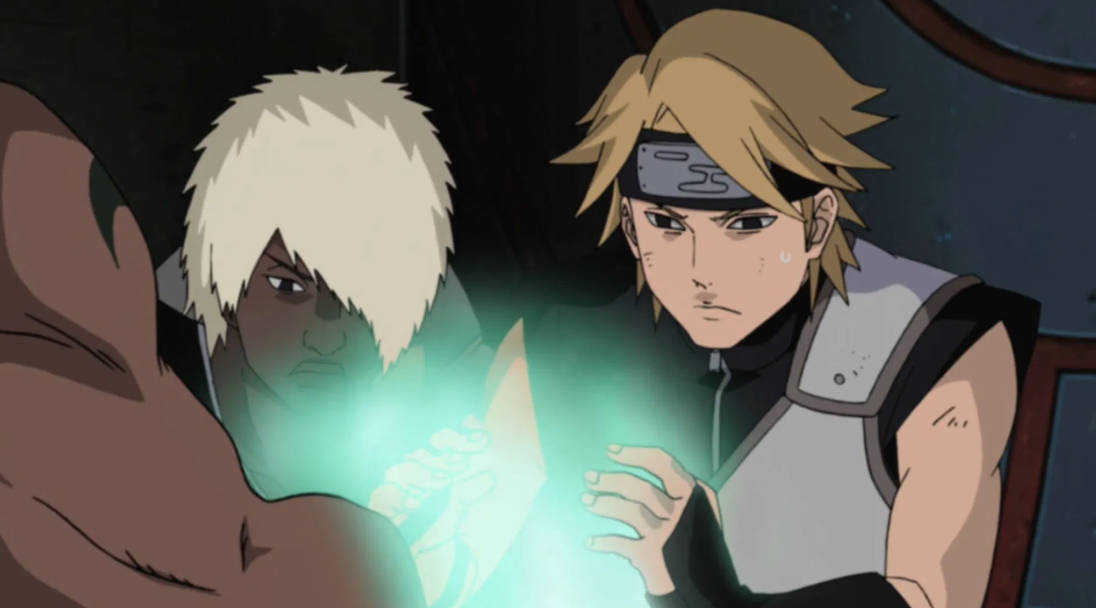
The Naruto universe features a sophisticated medical system that combines traditional healing practices with advanced chakra-based techniques. From battlefield medicine to preventive care, from specialized ninja healers to community health programs, this comprehensive analysis explores the healthcare landscape that supports the physical and mental well-being of shinobi and civilians alike.
Part 1: Medical Ninja System
Medical Ninja Training
Academy Preparation
- Prerequisites: Strong chakra control and empathy
- Early Exposure: Introduction to medical concepts
- Chakra Control Exercises: Precise manipulation training
- Basic Anatomy: Understanding the human body
- First Aid Training: Emergency response skills
Medical Academy
- Curriculum: Advanced medical knowledge and techniques
- Duration: Extended training beyond regular ninja academy
- Faculty: Experienced medical ninja instructors
- Clinical Rotations: Practical experience in hospitals
- Specialization Tracks: Different medical fields of study
Advanced Training
- Surgical Techniques: Operative procedures
- Emergency Medicine: Critical care
- Toxicology: Poison identification and treatment
- Mental Health: Psychological care
- Research Methods: Developing new treatments
Medical Ninja Ranks
Medical Genin
- Responsibilities: Basic first aid and support
- Supervision: Work under medical chunin or jonin
- Training Focus: Foundational medical skills
- Field Experience: Assisting in minor missions
- Continuing Education: Ongoing skill development
Medical Chunin
- Responsibilities: Independent patient care
- Supervision: Work with minimal oversight
- Training Focus: Advanced techniques and leadership
- Field Experience: Deployed on B-rank missions
- Mentorship: Guiding medical genin
Medical Jonin
- Responsibilities: Complex medical cases and leadership
- Supervision: Directing medical teams
- Training Focus: Mastery of all medical techniques
- Field Experience: Deployed on A and S-rank missions
- Research Leadership: Conducting medical research
Chief Medical Officer
- Responsibilities: Overseeing entire medical system
- Supervision: Managing all medical personnel
- Training Focus: Administrative and strategic leadership
- Field Experience: Leading medical response to major crises
- Policy Development: Shaping medical protocols
Part 2: Healing Techniques
Chakra-Based Healing
Basic Healing Jutsu
- ** Mystical Palm Technique**: The fundamental healing jutsu
- Chakra Scalpel: Precise surgical tool
- Healing Resuscitation Regeneration Technique: Advanced wound healing
- Chakra Disruption: Countering enemy techniques
- Stimulation: Accelerating natural healing processes
Advanced Healing Jutsu
- Creation Rebirth: Tsunade’s ultimate healing technique
- One’s Own Life Reincarnation: Sacrificing life force to heal others
- Eight Trigrams Sixty-Four Palms: Healing through chakra points
- Medical Summoning: Summoning medical creatures
- Barrier Ninjutsu: Protective healing barriers
Specialized Healing
- Poison Extraction: Removing toxins
- Bone Setting: Healing fractures
- Organ Repair: Restoring damaged organs
- Nerve Regeneration: Healing nerve damage
- Chakra Network Repair: Fixing damaged chakra pathways
Traditional Medicine
Herbal Remedies
- Healing Herbs: Natural medicinal plants
- Poultices: Topical treatments
- Tinctures: Concentrated herbal extracts
- Teas: Internal remedies
- Salves: Ointments for skin conditions
Traditional Practices
- Acupuncture: Stimulating chakra points
- Massage Therapy: Muscular healing
- Cupping: Traditional blood flow therapy
- Moxibustion: Heat therapy
- Dietary Therapy: Healing through food
Folk Medicine
- Village Remedies: Local healing traditions
- Clan Secrets: Clan-specific medical knowledge
- Spiritual Healing: Energy-based practices
- Amulets and Charms: Protective items
- Ritual Healing: Ceremonial practices
Part 3: Healthcare Infrastructure
Medical Facilities
Village Hospitals
- Konoha Hospital: The primary medical facility in the Leaf Village
- Specialized Wards: Different departments for specific conditions
- Emergency Rooms: Critical care facilities
- Operating Theaters: Surgical suites
- Intensive Care Units: Monitoring for serious cases
Field Hospitals
- Mobile Units: Deployable medical facilities
- Triage Centers: Sorting patients by urgency
- Forward Operating Bases: Medical support near battlefields
- Disaster Response: Emergency medical stations
- Remote Clinics: Healthcare in isolated areas
Specialized Clinics
- Orthopedic Clinics: Bone and joint care
- Mental Health Centers: Psychological services
- Pediatric Clinics: Child healthcare
- Geriatric Centers: Elderly care
- Rehabilitation Centers: Recovery from injuries
Medical Equipment
Diagnostic Tools
- Chakra Scanners: Detecting chakra abnormalities
- X-Ray Machines: Internal imaging
- Ultrasound Devices: Soft tissue imaging
- Blood Analyzers: Testing blood samples
- Thermometers: Temperature measurement
Treatment Equipment
- Surgical Tools: Operating instruments
- Life Support Systems: Critical care equipment
- Infusion Pumps: Medication delivery
- Oxygen Concentrators: Respiratory support
- Physical Therapy Equipment: Rehabilitation tools
Medical Supplies
- Bandages and Dressings: Wound care
- Medications: Pills, liquids, and injections
- Sutures: Stitches for wounds
- Antiseptics: Infection prevention
- Anesthesia: Pain management
Part 4: Preventive Care
Public Health Programs
Immunization Campaigns
- Vaccine Development: Creating protective vaccines
- Vaccination Schedules: Timely administration
- Community Outreach: Ensuring widespread coverage
- Travel Vaccinations: Protection for ninja on missions
- Pandemic Preparedness: Planning for disease outbreaks
Health Education
- School Programs: Teaching health basics to children
- Community Workshops: Public health information sessions
- Media Campaigns: Health messages through various channels
- Workplace Wellness: Health programs for employees
- Parenting Classes: Child health education
Disease Prevention
- Sanitation Programs: Clean water and waste management
- Vector Control: Mosquito and pest management
- Food Safety: Preventing foodborne illnesses
- Personal Hygiene: Teaching cleanliness practices
- Environmental Health: Reducing pollution and hazards
Wellness Programs
Physical Fitness
- Exercise Programs: Promoting regular activity
- Nutrition Counseling: Healthy eating guidance
- Weight Management: Maintaining healthy weight
- Strength Training: Building muscle and bone health
- Flexibility Training: Maintaining mobility
Mental Health
- Stress Management: Coping with ninja lifestyle pressures
- Counseling Services: Professional mental health support
- Mindfulness Training: Meditation and relaxation techniques
- Peer Support Groups: Shared experiences and encouragement
- Resilience Building: Developing mental toughness
Lifestyle Medicine
- Sleep Hygiene: Promoting healthy sleep habits
- Substance Abuse Prevention: Avoiding harmful substances
- Smoking Cessation: Helping ninja quit smoking
- Alcohol Moderation: Responsible drinking practices
- Balance Training: Preventing falls and injuries
Part 5: Battlefield Medicine
Combat Medical Support
Pre-Mission Preparation
- Medical Briefings: Mission-specific health considerations
- Personal Medical Kits: Individual first aid supplies
- Medical Intelligence: Health risks in mission areas
- Vaccinations: Protection against local diseases
- Contingency Planning: Emergency medical protocols
Field Treatment
- Triage: Prioritizing casualties
- Emergency First Aid: Immediate life-saving measures
- Hemorrhage Control: Stopping severe bleeding
- Airway Management: Ensuring breathing
- Shock Treatment: Managing circulatory failure
Evacuation Protocols
- Casualty Transport: Safe movement of injured ninja
- Evacuation Routes: Planned paths for medical transport
- Medical Helicopters: Aerial evacuation
- Stabilization Before Transport: Preparing patients for movement
- Communication Systems: Coordinating evacuation efforts
Combat Injuries
Common Injuries
- Lacerations: Cuts and wounds from weapons
- Contusions: Bruises from blunt trauma
- Fractures: Broken bones
- Burns: Heat and chemical injuries
- Concussions: Head injuries
Chakra-Related Injuries
- Chakra Exhaustion: Depletion of chakra
- Chakra Network Damage: Injuries to chakra pathways
- Elemental Injuries: Damage from elemental techniques
- Genjutsu Trauma: Psychological damage from illusions
- Sealing Injuries: Damage from sealing techniques
Poisoning and Toxins
- Venomous Bites: Snake and insect venom
- Chemical Poisons: Synthetic toxins
- Food Poisoning: Contaminated food
- Environmental Toxins: Natural poisons
- Ninja Poisons: Specialized toxins used in combat
Part 6: Specialized Medical Fields
Surgical Specialties
General Surgery
- Emergency Surgery: Life-saving procedures
- Elective Surgery: Planned procedures
- Minimally Invasive Surgery: Laparoscopic techniques
- Trauma Surgery: Injury repair
- Surgical Oncology: Cancer removal
Orthopedic Surgery
- Fracture Repair: Bone healing techniques
- Joint Replacement: Artificial joints
- Spinal Surgery: Back and neck procedures
- Sports Medicine: Athletic injury treatment
- Limb Reconstruction: Restoring function to damaged limbs
Neurological Surgery
- Brain Surgery: Procedures on the brain
- Spinal Cord Surgery: Spinal cord procedures
- Peripheral Nerve Surgery: Nerve repair
- Neurovascular Surgery: Blood vessel procedures in the brain
- Epilepsy Surgery: Seizure management
Medical Specialties
Internal Medicine
- Cardiology: Heart and vascular care
- Pulmonology: Lung and respiratory care
- Gastroenterology: Digestive system care
- Nephrology: Kidney care
- Endocrinology: Hormonal and metabolic disorders
Pediatrics
- Well-Child Care: Routine check-ups and vaccinations
- Pediatric Emergencies: Acute care for children
- Developmental Pediatrics: Growth and development
- Pediatric Surgery: Surgical care for children
- Adolescent Medicine: Teen health issues
Geriatrics
- Elderly Care: Healthcare for older adults
- Chronic Disease Management: Long-term conditions
- Mobility Issues: Maintaining independence
- Cognitive Health: Memory and brain function
- End-of-Life Care: Palliative and hospice care
Mental Health Specialties
Psychiatry
- Diagnosis and Treatment: Mental health conditions
- Psychopharmacology: Medication management
- Psychotherapy: Talk therapy
- Crisis Intervention: Emergency mental health care
- Forensic Psychiatry: Mental health in legal contexts
Psychology
- Clinical Psychology: Assessment and therapy
- Counseling Psychology: Guidance and support
- Child Psychology: Young people’s mental health
- Sports Psychology: Mental aspects of performance
- Neuropsychology: Brain-behavior relationships
Behavioral Medicine
- Stress Management: Coping with pressure
- Pain Management: Chronic pain treatment
- Addiction Medicine: Substance use disorders
- Eating Disorders: Food and weight issues
- Sleep Disorders: Sleep problems and solutions
Part 7: Medical Research and Innovation
Research Institutions
Village Medical Research Centers
- Konoha Medical Research Institute: Leading medical research
- Collaborative Research: Sharing knowledge between villages
- Funding Sources: Government and private support
- Research Ethics: Responsible conduct of research
- Publication Outlets: Sharing findings with the medical community
Academic Medicine
- Medical Education: Training future researchers
- Student Research: Hands-on learning
- Faculty Research: Investigating medical questions
- Interdisciplinary Collaboration: Working across fields
- Continuing Medical Education: Updating knowledge and skills
Industry Partnerships
- Pharmaceutical Development: New medications
- Medical Device Innovation: Advanced tools and equipment
- Biotechnology Research: Life science applications
- Clinical Trials: Testing new treatments
- Technology Transfer: Moving discoveries from lab to clinic
Medical Innovations
Chakra-Based Advancements
- Enhanced Healing Jutsu: More powerful and efficient techniques
- Chakra Detection: Advanced diagnostic tools
- Chakra Enhancement: Boosting natural healing processes
- Chakra Suppression: Managing excessive chakra
- Chakra Balancing: Restoring harmony to chakra networks
Surgical Innovations
- Minimally Invasive Surgery: Smaller incisions, faster recovery
- Robotic Surgery: Precision procedures
- Image-Guided Surgery: Real-time imaging during operations
- Regenerative Surgery: Growing tissues and organs
- Telemedicine Surgery: Remote surgical procedures
Diagnostic Advances
- Advanced Imaging: 3D and functional imaging
- Genetic Testing: DNA-based diagnostics
- Biomarker Discovery: Early disease detection
- Point-of-Care Testing: Rapid bedside diagnostics
- AI-Assisted Diagnosis: Computer-aided medical decision making
Part 8: Healthcare Access and Equity
Rural Healthcare
Mobile Clinics
- Scheduled Visits: Regular healthcare in remote areas
- Emergency Response: Rapid medical care
- Preventive Services: Immunizations and screenings
- Chronic Disease Management: Ongoing care for long-term conditions
- Telehealth Services: Remote medical consultations
Community Health Workers
- Local Recruitment: Training people from rural areas
- Basic Medical Training: Essential healthcare skills
- Health Education: Teaching preventive measures
- Referral Services: Connecting patients to higher-level care
- Cultural Mediation: Bridging cultural gaps in healthcare
Telemedicine
- Video Consultations: Remote doctor visits
- Remote Monitoring: Tracking patient health from a distance
- Mobile Health Apps: Health information and self-monitoring
- E-Referrals: Electronic connections to specialists
- Health Information Exchange: Sharing medical records electronically
Special Populations
Ninja Healthcare
- Occupational Health: Addressing ninja-specific risks
- Performance Optimization: Enhancing ninja abilities
- Injury Prevention: Reducing mission-related injuries
- Post-Traumatic Care: Recovery from combat stress
- Retirement Health: Care for former ninja
Child Healthcare
- Well-Baby Care: Routine infant check-ups
- Immunization Programs: Protecting against diseases
- Developmental Screening: Monitoring growth and development
- Nutrition Programs: Ensuring healthy growth
- Child Safety: Preventing accidents and injuries
Elderly Healthcare
- Geriatric Assessment: Comprehensive health evaluation
- Chronic Disease Management: Care for age-related conditions
- Mobility Aids: Assistive devices for independence
- Social Services: Support for elderly individuals
- End-of-Life Care: Compassionate care in final stages
Disabled Healthcare
- Rehabilitation Services: Physical and occupational therapy
- Assistive Technology: Devices for enhanced independence
- Accessibility Modifications: Adapting environments
- Special Education: Learning support for disabled children
- Vocational Rehabilitation: Job training and placement
Part 9: Future of Medicine
Emerging Technologies
Nanomedicine
- Targeted Drug Delivery: Precise medication delivery
- Nanorobots: Microscopic medical devices
- Tissue Engineering: Growing replacement tissues
- Diagnostic Nanoparticles: Early disease detection
- Antimicrobial Nanomaterials: Fighting infections
Artificial Intelligence
- Diagnostic AI: Computer-aided disease identification
- Treatment Optimization: Personalized therapy recommendations
- Predictive Analytics: Forecasting health risks
- Medical Imaging Analysis: Enhanced image interpretation
- Administrative Efficiency: Streamlining healthcare operations
Biotechnology
- Gene Therapy: Treating genetic disorders
- CRISPR Technology: Genome editing
- Synthetic Biology: Creating artificial biological systems
- Regenerative Medicine: Growing organs for transplant
- Biomarkers: Early disease detection and monitoring
Healthcare Trends
Personalized Medicine
- Genomic Medicine: Tailoring treatment to individual genetics
- Precision Surgery: Customized surgical approaches
- Personalized Preventive Care: Individualized health plans
- Medication Optimization: Custom drug regimens
- Lifestyle Medicine: Personalized health behaviors
Integrated Care
- Medical Home Model: Comprehensive primary care
- Care Coordination: Team-based healthcare
- Mental-Physical Health Integration: Addressing both aspects
- Community-Based Care: Healthcare in familiar settings
- Preventive-Primary Care Integration: Combined services
Global Health
- Disease Eradication: Eliminating specific diseases
- Health Diplomacy: Using healthcare for peace
- Global Health Security: Preventing pandemics
- Capacity Building: Strengthening healthcare systems worldwide
- Telehealth Expansion: Global access to medical expertise
Conclusion
The medical system of the shinobi world is a remarkable blend of traditional healing practices and advanced chakra-based techniques. From battlefield medicine to preventive care, from specialized ninja healers to community health programs, this system provides comprehensive healthcare for shinobi and civilians alike.
The dedication of medical ninja, with their exceptional chakra control and compassionate care, ensures that even the most severe injuries can be treated. The integration of traditional wisdom with innovative techniques creates a healthcare approach that is both effective and holistic.
Beyond its practical function of healing the sick and injured, the medical system plays a crucial role in the Naruto series’ narrative. It highlights the importance of compassion and teamwork, as medical ninja work alongside their combat counterparts to protect their villages. It also emphasizes the value of life and the importance of preserving health in a world often defined by conflict.
The healthcare landscape of the shinobi world reminds us that even in a universe filled with powerful techniques and epic battles, the most fundamental human needs—health, healing, and compassion—remain central to the story. The medical ninja’s commitment to saving lives, often at great personal risk, serves as a powerful counterbalance to the destructive forces present in the ninja world.
As the Naruto series progresses, we see the medical system evolve, incorporating new techniques and approaches while maintaining its core values of compassion and excellence. This evolution reflects the real-world progress of medicine, making the healthcare landscape of the shinobi world feel both fantastical and relatable.
Understanding the medical system of the shinobi world enhances our appreciation of the series, allowing us to see beyond the battles and into the caring, supportive networks that sustain the characters we love. It is a testament to the depth of the Naruto universe that the healthcare system is so fully realized, creating a world that feels both extraordinary and grounded in the universal human experience of health and healing.