Sharingan and Uchiha Clan Techniques
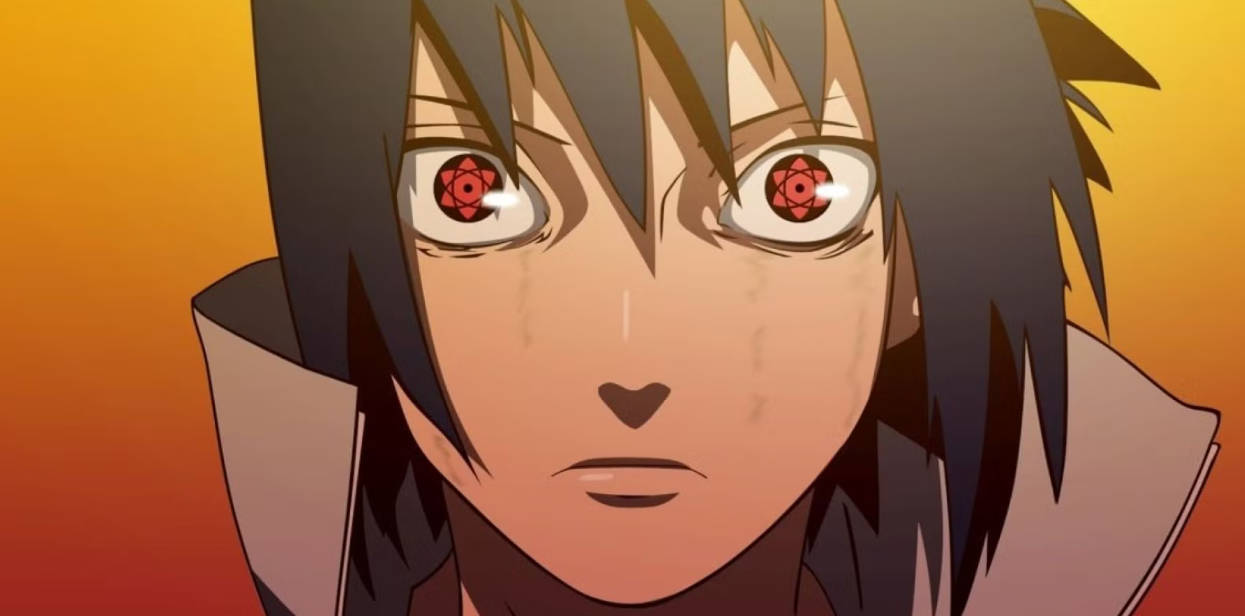
Sharingan and Uchiha Clan Techniques
The Sharingan stands as one of the most iconic and powerful dojutsu (eye techniques) in the Naruto universe. Exclusive to the Uchiha clan, this bloodline limit evolves through stages of increasing power, granting its users incredible abilities ranging from enhanced perception to reality-warping techniques. This comprehensive analysis explores the Sharingan’s origins, evolution, abilities, and the various techniques associated with this legendary eye.
Part 1: The Sharingan - Basic Evolution
Origins and Activation
Uchiha Clan Heritage
- Indra’s Lineage: The Sharingan’s origin through Indra Ōtsutsuki
- Sage of Six Paths: Hagoromo’s gift and the Uchiha’s inheritance
- Emotional Trigger: The Sharingan’s activation through intense emotion
- Genetic Factor: The Uchiha-specific DNA that allows for Sharingan development
- Dormant State: The Sharingan’s initial state before activation
First Activation
- Emotional Catalyst: Common triggers (loss, anger, fear)
- Physical Changes: The appearance of the tomoe in the eye
- Initial Abilities: Enhanced perception and basic copying
- Training Requirements: Developing control over the newly activated Sharingan
- Clan Traditions: The Uchiha’s rituals surrounding Sharingan activation
Three-Tomoe Sharingan
Evolution Process
- Tomoe Development: The progression from one to three tomoe
- Experience-Based Growth: How combat experience fuels Sharingan evolution
- Power Increases: Each tomoe带来的能力提升
- Physical Strain: The toll Sharingan use takes on the body
- Mastery Indicators: Signs of a fully mastered three-tomoe Sharingan
Core Abilities
- Enhanced Perception: Superhuman visual acuity
- Predictive Tracking: Reading opponents’ movements
- Jutsu Copying: Replicating most non-bloodline techniques
- Genjutsu Casting: Basic illusion techniques
- Chakra Vision: Seeing and analyzing chakra flow
Part 2: The Mangekyo Sharingan - The Eye of Madness
Awakening the Mangekyo
The Tragic Trigger
- Intense Grief: The requirement of witnessing the death of a loved one
- Emotional Trauma: The psychological impact of Mangekyo awakening
- Physical Changes: The unique patterns of each Mangekyo
- Initial Power: The sudden surge in abilities
- Hidden Cost: The vision deterioration that begins immediately
Variations and Patterns
- Itachi’s Mangekyo: The three connected tomoe
- Sasuke’s Mangekyo: The six-pointed star
- Madara’s Mangekyo: The curved tomoe design
- Shisui’s Mangekyo: The four-pointed design
- Obito’s Mangekyo: The spiral pattern
- Unique Abilities: How each Mangekyo pattern corresponds to specific techniques
Mangekyo Techniques
Amaterasu
- Description: The inextinguishable black flames
- Uchiha Users: Itachi, Sasuke, and others
- Technical Details: How the flames are created and controlled
- Defense Against Amaterasu: Known countermeasures
- Evolution: The Kagutsuchi technique for flame control
Tsukuyomi
- Description: The mind-destroying genjutsu
- Itachi’s Signature: His unique mastery of the technique
- Genjutsu Mechanics: How time is manipulated within the illusion
- Resistance and Countering: Ways to defend against Tsukuyomi
- Mental Damage: The psychological effects on victims
Susanoo
- Description: The giant humanoid avatar of chakra
- Progressive Stages: From skeleton to fully armored form
- Weaponry: The unique weapons each Susanoo wields
- Uchiha Users: Different variations among users
- Perfect Susanoo: The ultimate form of the technique
- Susanoo Techniques: Special abilities unique to each user’s Susanoo
Kamui
- Description: The space-time ninjutsu
- Obito’s Ability: His short-range version
- Kakashi’s Version: His long-range version
- Technical Mechanics: How space is warped
- Applications: Offensive, defensive, and utility uses
- Limitation: The chakra cost and physical strain
Other Mangekyo Techniques
- Kotoamatsukami: Shisui’s mind-control technique
- Izanagi: The reality-warping technique
- Izanami: The fate-sealing technique
- Susanoo Combinations: Combining Susanoo with other techniques
- Mangekyo Synergies: Using multiple Mangekyo techniques in tandem
Part 3: The Eternal Mangekyo Sharingan - The Eye of Immortality
Acquisition Process
Brother’s Eyes
- Traditional Method: Taking the eyes of a close relative
- Itachi and Sasuke: The most famous example
- Physical Compatibility: Why only close relatives’ eyes work
- Surgical Procedure: The process of transplanting Sharingan
- Recovery Period: Adjusting to the new eyes
Evolutionary Changes
- Eye Pattern: The merging of both users’ Mangekyo patterns
- Vision Restoration: The end of vision deterioration
- Power Increase: Enhanced abilities beyond regular Mangekyo
- Reduced Strain: Less physical and chakra drain
- Unique Abilities: New techniques unlocked through the merge
Eternal Mangekyo in Practice
Sasuke’s Eternal Mangekyo
- Pattern Design: The combination of his and Itachi’s patterns
- Ability Enhancements: Improved Amaterasu and Susanoo
- New Techniques: Kagutsuchi and other advanced abilities
- Combat Applications: How Sasuke uses his Eternal Mangekyo
- Limitation Reduction: The reduced cost of using his most powerful techniques
Madara’s Eternal Mangekyo
- Acquisition: Taking his brother Izuna’s eyes
- Abilities: The techniques he developed
- Longevity: How the Eternal Mangekyo extended his life
- Rinnegan Path: The Eternal Mangekyo’s role in achieving Rinnegan
- Legacy: Madara’s influence on future Uchiha
Part 4: The Rinnegan - The Eye of the Sage
Evolution to Rinnegan
Hagoromo’s Bloodline
- Sage of Six Paths: The original owner of the Rinnegan
- Indra and Asura: The split of Hagoromo’s chakra
- Recombination: The requirement of both Indra and Asura’s chakra
- Madara’s Achievement: The first to reawaken the Rinnegan in centuries
- Sasuke’s Rinnegan: His unique six-tomoe version
Activation Process
- Chakra Recombination: Merging Indra and Asura’s chakra
- Spiritual Evolution: The mental and spiritual requirements
- Physical Changes: The Rinnegan’s distinctive appearance
- Power Surge: The sudden increase in abilities
- Sage Mode Compatibility: The Rinnegan’s synergy with senjutsu
Rinnegan Abilities
Six Paths Powers
- Deva Path: Gravity manipulation techniques
- Asura Path: Mechanical augmentation and weaponry
- Human Path: Soul extraction and mind reading
- Animal Path: Multiple summoning techniques
- Preta Path: Chakra absorption
- Naraka Path: Judgment and revival
- Outer Path: Resurrection and chakra receivers
Space-Time Ninjutsu
- Limbo Hengoku: Madara’s invisible shadow clones
- Amenotejikara: Sasuke’s space-time swap technique
- Planetary Devastation: Creating miniature planets
- Chibaku Tensei: The powerful sealing technique
- Infinite Tsukuyomi: The world-encompassing genjutsu
Unique Rinnegan Variations
- Madara’s Rinnegan: Standard Rinnegan abilities
- Sasuke’s Rinnegan: Six-tomoe with unique space-time powers
- Nagato’s Rinnegan: Controlled through multiple bodies
- Obito’s Rinnegan: Single Rinnegan with limited abilities
- Momoshiki’s Rinnegan: The Ōtsutsuki version with additional powers
Part 5: Uchiha Clan Techniques
Fire Release Ninjutsu
Clan Specialization
- Fire Affinity: The Uchiha’s natural affinity for Fire Release
- Training Methods: How Uchiha train their Fire Release
- Combination Techniques: Fire Release with Sharingan
- Signature Moves: Techniques unique to the Uchiha
- Advanced Fire Release: Powerful techniques requiring Mangekyo
Notable Fire Techniques
- Fireball Jutsu: The basic Uchiha fire technique
- Great Fireball Jutsu: The advanced version
- Phoenix Sage Fire Technique: Multiple fire projectiles
- Fire Dragon Flame Bullet: The dragon-shaped fire technique
- Great Fire Annihilation: The massive area-of-effect fire technique
- Blaze Release: The combination of Fire Release and Amaterasu
Sharingan-Enhanced Taijutsu
Uchiha Taijutsu Style
- Clan Tradition: The Uchiha’s hand-to-hand combat style
- Sharingan Integration: How the Sharingan enhances taijutsu
- Predictive Striking: Using the Sharingan to anticipate moves
- Speed Enhancement: The illusion of speed through predictive movement
- Combination Attacks: Mixing taijutsu with ninjutsu
Notable Users
- Sasuke Uchiha: His lightning-enhanced taijutsu
- Itachi Uchiha: His precise, efficient strikes
- Madara Uchiha: His powerful, overwhelming taijutsu
- Shisui Uchiha: His speed-focused taijutsu
- Obito Uchiha: His kamui-enhanced taijutsu
Genjutsu Mastery
Uchiha Genjutsu Tradition
- Clan Focus: The Uchiha’s emphasis on genjutsu
- Sharingan Synergy: How the Sharingan amplifies genjutsu
- Training Methods: The Uchiha’s genjutsu training techniques
- Mental Resistance: The Uchiha’s resistance to genjutsu
- Clan Secrets: Advanced genjutsu techniques passed through generations
Notable Genjutsu
- Sharingan Eye Contact Genjutsu: The basic illusion technique
- Tsukuyomi: The Mangekyo genjutsu
- Kotoamatsukami: Shisui’s mind-control genjutsu
- Izuna: Itachi’s infinite loop genjutsu
- Genjutsu Combinations: Mixing genjutsu with other techniques
Part 6: The Dark Side of the Sharingan
Curse of Hatred
Uchiha Psychology
- Emotional Amplification: How the Sharingan intensifies emotions
- Hatred Cycle: The Uchiha’s tendency toward vengeance
- Mental Instability: The psychological effects of Sharingan use
- Itachi’s Insight: His understanding of the curse
- Breaking the Cycle: The possibility of overcoming the curse
Historical Examples
- Madara Uchiha: His descent into darkness
- Izuna Uchiha: His role in the curse’s perpetuation
- Fugaku Uchiha: His struggle with the curse
- Sasuke Uchiha: His journey through and beyond the curse
- Itachi Uchiha: His resistance to the curse’s full effects
Physical and Mental Toll
Vision Deterioration
- Mangekyo Strain: The progressive blindness
- Pain and Discomfort: Physical symptoms of overuse
- Chakra Drain: The immense chakra cost of advanced techniques
- Mental Fatigue: Cognitive effects of Sharingan use
- Long-term Damage: Permanent effects even with Eternal Mangekyo
Psychological Impact
- Trauma Association: The Sharingan’s link to traumatic events
- Emotional Numbness: Desensitization from constant Sharingan use
- Obsessive Behavior: Fixation on specific goals or individuals
- Paranoia: Increased suspicion from enhanced perception
- Identity Issues: The merging of self with the Sharingan’s power
Part 7: Sharingan Users of Note
Legendary Uchiha
Madara Uchiha
- Sharingan Mastery: His complete control over all Sharingan stages
- Eternal Mangekyo: His acquisition and use
- Rinnegan Awakening: His achievement of the sage’s eye
- Combat Prowess: How he used the Sharingan in battle
- Legacy: His influence on future Uchiha
Izuna Uchiha
- Sharingan Development: His rapid progression
- Mangekyo Abilities: His unique techniques
- Sacrifice: Giving his eyes to Madara
- Legacy: His role in the Eternal Mangekyo’s creation
- Comparison to Madara: Their relative strengths
Modern Uchiha
Itachi Uchiha
- Sharingan Control: His exceptional mastery from a young age
- Mangekyo Techniques: His unique Amaterasu and Tsukuyomi
- Genjutsu Prowess: His unrivaled illusion techniques
- Strategic Use: How he used the Sharingan tactically
- Limitations: His illness and its impact on Sharingan use
Sasuke Uchiha
- Sharingan Evolution: His rapid development
- Eternal Mangekyo: Gaining Itachi’s eyes
- Rinnegan Awakening: His unique six-tomoe Rinnegan
- Power Levels: His progression to god-like abilities
- Redemption: Using the Sharingan for good
Obito Uchiha
- Mangekyo Awakening: His unique path to the Mangekyo
- Kamui Mastery: His space-time technique
- One-Eyed Use: His adaptation to single Sharingan use
- Tobi Persona: How he hid his Sharingan
- Redemption Arc: His return to the light
Part 8: Thematic Significance
The Sharingan as Metaphor
Power and Corruption
- Temptation of Power: The Sharingan’s seductive abilities
- Cost of Power: The physical and mental toll
- Moral Ambiguity: Using power for good vs. evil
- Absolute Power: The dangers of Rinnegan-level abilities
- Responsibility: The burden of wielding the Sharingan
Grief and Loss
- Emotional Trigger: The connection to pain
- Trauma as Catalyst: Growth through suffering
- Healing and Recovery: Overcoming the Sharingan’s curse
- Memory Preservation: The Sharingan as a repository of memories
- Legacy: Carrying on the memories of loved ones
Identity and Heritage
- Clan Identity: The Sharingan as a symbol of Uchiha pride
- Individuality: Unique Mangekyo patterns as expressions of self
- Inheritance: The weight of family legacy
- Choice vs. Destiny: Breaking free from predetermined paths
- Redemption: Forging a new identity beyond the Sharingan
Philosophical Implications
The Nature of Power
- Relative Strength: How power shifts with Sharingan evolution
- Balance of Power: The Sharingan’s role in ninja conflicts
- Power Dynamics: How the Sharingan affects relationships
- Power and Perception: How the Sharingan changes one’s view of reality
- Ultimate Power: The Rinnegan’s god-like abilities
The Cycle of Hatred
- Uchiha History: The clan’s cycle of violence
- Breaking the Cycle: Naruto’s influence on Sasuke
- Generational Trauma: How hatred is passed down
- Collective Responsibility: Addressing systemic issues
- Hope for Change: The possibility of a different future
Conclusion
The Sharingan stands as one of the most complex and fascinating abilities in the Naruto universe, a symbol of both the Uchiha clan’s greatness and its tragedy. From its basic three-tomoe form to the reality-warping powers of the Rinnegan, the Sharingan’s evolution mirrors the journey of the Uchiha themselves—from proud clansmen to ostracized outcasts, and finally to redeemed heroes.
What makes the Sharingan truly compelling is its dual nature. It is a source of incredible power, but also a curse that drives many Uchiha to madness. It grants its users the ability to see the truth, but often leads them down paths of delusion. It allows for the preservation of memories, but often traps its users in the past.
Yet for all its dangers, the Sharingan also represents hope. Through characters like Itachi and Sasuke, we see that the curse of hatred can be overcome, that power can be used for good, and that even the darkest legacy can be redeemed.
The Sharingan’s journey—from Indra’s gift to the modern Uchiha—serves as a powerful metaphor for the human experience. It reminds us that our greatest strengths often come from our deepest pain, that power carries responsibility, and that even in the face of overwhelming darkness, there is always a path to redemption.
As the Naruto series concludes, the Sharingan remains one of its most enduring symbols—a testament to the complexity of power, the resilience of the human spirit, and the enduring legacy of a clan that, despite its flaws, left an indelible mark on the ninja world.