Sasuke Uchiha Redemption Arc Analysis
Sasuke Uchiha Redemption Arc Analysis
Sasuke Uchiha’s redemption arc stands as one of the most complex and compelling character journeys in anime history. From his origins as a traumatized child to his evolution into a redeemed protector, Sasuke’s path is a masterclass in psychological depth and narrative complexity. This analysis explores every facet of Sasuke’s redemption arc, from his descent into darkness to his eventual return to the light.
Part 1: The Trauma of Loss
Childhood and the Uchiha Massacre
Innocence and Privilege
- Early Childhood: Born into the prestigious Uchiha clan
- Family Life: Close relationship with parents and older brother Itachi
- Clan Heir: Considered a prodigy even among the talented Uchiha
- Sense of Security: Protected by his family and clan’s status
The Night of the Massacre
- Traumatic Event: Witnessing the slaughter of his entire clan
- Itachi’s Betrayal: The shock of his brother’s actions
- Survivor’s Guilt: The burden of being the sole survivor
- Forced Memory: Itachi’s Tsukuyomi traumatizing him repeatedly
- Hatred as Motivation: His brother’s instruction to hate and grow strong
Psychological Impact
Complex PTSD
- Flashbacks: Recurring nightmares of the massacre
- Hypervigilance: Constantly on guard, trusting no one
- Emotional Numbing: Suppressing all emotions except hatred
- Dissociation: Detaching from his own humanity to cope
Identity Formation Through Trauma
- Revenge as Identity: Defining himself solely by his quest for vengeance
- Survival Instinct: His hatred becoming a reason to live
- Moral Disengagement: Justifying any action in pursuit of his goal
- Isolation as Protection: Pushing others away to avoid further pain
Part 2: The Descent into Darkness
Academy Years: The Prodigy with a Secret
Social Isolation
- Voluntary Solitude: Choosing to be alone rather than vulnerable
- Superiority Complex: Looking down on classmates due to his trauma and talent
- Sasuke vs. Naruto: The rivalry that masks a deeper connection
- Emotional Walls: His cold demeanor as protection
Internal Conflict
- Hidden Kindness: Moments of compassion he struggles to suppress
- Team 7 Bonding: Resisting but quietly valuing his teammates
- Sakura’s Affection: His conflicted feelings about her love
- Naruto’s Persistence: His annoyance and secret admiration for Naruto’s determination
Chunin Exams: Catalyst for Change
Orochimaru’s Curse
- First Encounter: Orochimaru’s offer of power
- Curse Mark: The physical manifestation of his darkness
- Power Temptation: His struggle with the curse’s influence
- Moral Deterioration: Gradually accepting darker methods
The Decision to Leave
- Painful Realization: His weakness compared to Itachi
- Power Obsession: Believing only Orochimaru can make him strong enough
- Betrayal of Team 7: Choosing power over friendship
- Emotional Break: His final confrontation with Naruto at the Valley of the End
Part 3: The Dark Path
Orochimaru’s Apprentice
Training and Transformation
- Physical Changes: The curse mark’s progression
- Moral Compromise: Willing to do whatever it takes to gain power
- First Kill: Crossing the line into violence
- Identity Loss: Becoming more like Orochimaru
Emotional Descent
- Increasing Cruelty: His treatment of others becoming more ruthless
- Itachi Obsession: His singular focus on revenge
- Sasuke’s Team: Using others for his own purposes
- Humanity Fading: Losing touch with his emotional self
Confronting Itachi: The Truth Revealed
The Long-Awaited Battle
- Power Clash: His battle with Itachi after years of preparation
- Itachi’s Illness: His shock at his brother’s weakened state
- Apparent Victory: His supposed defeat of Itachi
- Truth Unveiled: Tobi’s revelation of Itachi’s true loyalty
Identity Crisis
- Worldview Shattered: Everything he believed proven false
- Grief and Confusion: His emotional breakdown
- New Purpose: Destroying Konoha for using Itachi
- Moral Reckoning: Questioning his entire life’s mission
Part 4: The Road to Redemption
Joining the War Effort
Fourth Great Ninja War
- Alliance with Naruto: His temporary truce with his former rival
- Fighting Side by Side: Working with Team 7 again
- Itachi’s Reanimation: His emotional reunion with his brother
- Itachi’s Final Message: His brother’s forgiveness and belief in him
Internal Conflict
- Dual Loyalty: Torn between his desire for revenge and his growing connection to Naruto
- Questioning Konoha: Reevaluating his hatred for the village
- Sasuke’s Choice: His struggle to define his own path
- Naruto’s Influence: The impact of Naruto’s unwavering belief in him
The Final Battle: Naruto vs. Sasuke
Philosophical Conflict
- Sasuke’s Vision: Destroying the old system to create a new order
- Naruto’s Vision: Changing the system from within through bonds
- Ideological Clash: Their battle as a debate about the future of the ninja world
- Emotional Stakes: Their friendship and shared history
The Valley of the End: Round Two
- Equal Power: Both at the peak of their abilities
- Physical Exhaustion: Their battle pushing them to their limits
- Emotional Vulnerability: Their true feelings revealed through combat
- Mutual Understanding: Sasuke’s realization of Naruto’s pain
Redemption Moment
- Sasuke’s Surrender: His acceptance of Naruto’s way
- Emotional Breakdown: His tears and confession of loneliness
- Naruto’s Forgiveness: His unconditional acceptance
- New Purpose: Choosing to protect the village instead of destroying it
Part 5: The Shadow Hokage
Post-War Redemption
Self-Imposed Exile
- Guilt and Shame: His need to atone for past actions
- Wandering the World: His journey of self-discovery
- Protection from Shadows: Choosing to guard the village from outside threats
- Sakura’s Love: His growing acceptance of her feelings
Personal Growth
- Emotional Healing: Learning to feel again
- Moral Reckoning: Taking responsibility for his actions
- Compassion Development: His ability to care for others returning
- Humility: Recognizing his mistakes and limitations
Fatherhood and Legacy
Family Life
- Marriage to Sakura: His decision to settle down
- Fatherhood: His relationship with Sarada
- Absentee Father: His continued mission keeping him away
- Love for His Daughter: His deep but quietly expressed love for Sarada
Reconciliation with Konoha
- Secret Missions: Working with Naruto to protect the village
- Occasional Returns: His visits to see his family
- Respect Earned: The village’s gradual acceptance of his redemption
- Naruto’s Trust: Their friendship becoming a partnership
Psychological Analysis of Redemption
The Psychology of Hatred
Hatred as Coping Mechanism
- Survival Strategy: His hatred giving him a reason to live
- Emotional Armor: Protecting him from the pain of his loss
- Identity Formation: Providing him with a sense of purpose
- Moral Justification: Allowing him to act without guilt
The Cycle of Hatred
- Itachi’s Influence: His brother’s intentional perpetuation of hatred
- Sasuke’s Perpetuation: His own desire to pass on pain
- Breaking the Cycle: His realization that hatred only begets more hatred
- Naruto’s Example: The alternative path of understanding
Redemption Psychology
Stages of Redemption
- Awareness: Recognizing the harm he’s caused
- Remorse: Feeling genuine guilt for his actions
- Atonement: Taking action to make amends
- Acceptance: Forgiving himself and accepting forgiveness from others
- Transformation: Rebuilding his identity around positive values
Internal vs. External Redemption
- Internal Redemption: His personal journey of healing
- External Redemption: The village’s acceptance of his change
- Self-Forgiveness: The most difficult aspect of his redemption
- Naruto’s Role: The catalyst for his transformation
Thematic Analysis
1. The Cost of Revenge
Narrative Exploration
- Personal Cost: The toll revenge takes on Sasuke’s humanity
- Relationship Cost: The bonds he destroys in pursuit of vengeance
- Moral Cost: The lines he crosses to achieve his goal
- Emotional Cost: The emptiness he feels after achieving his revenge
Philosophical Commentary
- Revenge as Illusion: The hollowness of vengeance as a life goal
- Cycle Perpetuation: How revenge creates more pain
- Self-Destruction: The way revenge consumes the复仇者
- Alternative Paths: Naruto’s example of understanding
2. The Power of Connection
Narrative Exploration
- Team 7’s Impact: The bonds he tries to reject but can’t
- Naruto’s Persistence: His friend’s unwavering belief in him
- Sakura’s Love: Her consistent care despite his cruelty
- Itachi’s Sacrifice: His brother’s love revealed too late
Philosophical Commentary
- Isolation as Prison: The loneliness of his self-imposed exile
- Connection as Healing: The way relationships help him recover
- Vulnerability as Strength: Learning to trust again
- Collective Responsibility: The realization that no one has to bear pain alone
3. The Nature of Redemption
Narrative Exploration
- Redemption as Process: Not a single moment but a journey
- Mistakes Acknowledged: His acceptance of past wrongs
- Actions Over Words: His redemption through service
- Ongoing Effort: His continued work to make amends
Philosophical Commentary
- Redemption as Possibility: No one is beyond saving
- Consequences Remain: Redemption doesn’t erase past actions
- Self-Work Required: The effort needed to change
- Community Forgiveness: The role of others in the redemption process
Symbolism and Visual Storytelling
Visual Representation of Darkness and Light
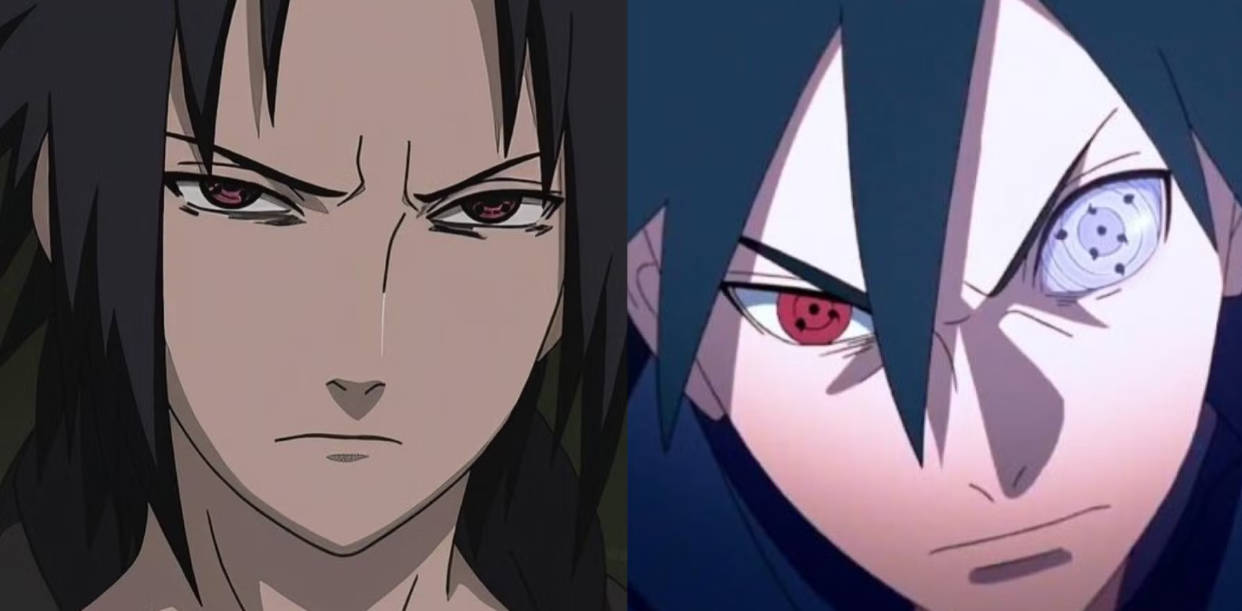
Character Design Evolution
- Costume Changes: From traditional Uchiha colors to black outfits symbolizing his darkness
- Hair Transformation: His increasingly wild hairstyle reflecting his mental state
- Sharingan Evolution: From normal to Mangekyo to Eternal Mangekyo, mirroring his emotional journey
- Facial Expressions: From cold stoicism to eventual warmth
Symbolic Elements
- Crows: Representing Itachi’s presence and guidance
- Fire: The Uchiha’s fire release symbolizing both destruction and rebirth
- The Valley of the End: The symbolic location of both his lowest point and redemption
- Eyes: His Sharingan as windows to his soul
Relationship Analysis
Sasuke and Naruto: The Bond That Transcends Everything
Rivalry as Connection
- Initial Competition: Their battle for supremacy masking deeper feelings
- Mutual Recognition: Seeing their pain reflected in each other
- Naruto’s Obsession: His refusal to give up on Sasuke
- Sasuke’s Secret Admiration: His unspoken respect for Naruto’s resilience
The Ultimate Bond
- Final Battle: Their physical conflict as emotional catharsis
- Mutual Understanding: Their realization of each other’s pain
- Sasuke’s Surrender: His acceptance of Naruto’s way
- Post-War Partnership: Their complementary roles as Hokage and Shadow Hokage
Sasuke and Itachi: The Tragic Bond
Brotherly Love and Betrayal
- Early Relationship: The close bond between brothers
- Itachi’s Sacrifice: His secret protection of Sasuke and the village
- The Lie of Betrayal: Itachi’s fabrication to push Sasuke to grow
- The Truth Revealed: Sasuke’s world shattered by the reality
Itachi’s Legacy
- Guilt and Redemption: Sasuke’s understanding of his brother’s sacrifice
- Itachi’s Eyes: The Eternal Mangekyo Sharingan as a physical connection
- Carrying On Itachi’s Will: His decision to protect the village like his brother
- Spiritual Guidance: Itachi’s continued influence from beyond the grave
Sasuke and Sakura: Love as Redemption
One-Sided Affection to Mutual Love
- Sakura’s Childhood Crush: Her infatuation with Sasuke
- Sasuke’s Dismissal: His initial rejection of her feelings
- Sakura’s Growth: Her transformation into a strong ninja
- Sasuke’s Recognition: His growing respect for her strength
Love as Healing
- Sakura’s Unwavering Love: Her consistent care despite his actions
- Sasuke’s Quiet Affection: His subtle ways of showing he cares
- Marriage and Family: Their decision to build a life together
- Sarada as Symbol: Their daughter representing their shared future
Impact and Legacy
Narrative Impact
Redemption as Narrative Device
- Complex Villainy: His depth elevating the series’ antagonists
- Moral Ambiguity: Challenging simplistic notions of good and evil
- Emotional Resonance: His journey eliciting empathy despite his actions
- Thematic Depth: Exploring redemption as a central theme
Character Influence
- Naruto’s Growth: His role in pushing Naruto to become better
- Sakura’s Development: His influence on her journey
- Next Generation: His impact on Boruto and Sarada
- Konoha’s Evolution: His redemption as part of the village’s growth
Cultural Impact
Fan Reception
- Character Popularity: Consistently ranked among the series’ most popular characters
- Moral Debate: Ongoing discussion about his redemption
- Psychological Complexity: Praised for his depth
- Redemption Arc: Considered one of fiction’s greatest redemption stories
Influence on Media
- Anti-Hero Archetype: Redefining the tragic villain-hero hybrid
- Redemption Narrative: Setting a new standard for character growth
- Psychological Depth: Demonstrating the potential for complex characters in shonen
- Moral Complexity: Proving that villains can be sympathetic
Conclusion
Sasuke Uchiha’s redemption arc is a masterpiece of storytelling that transcends the shonen genre. His journey from traumatized child to avenging angel to redeemed hero is a profound exploration of the human capacity for both darkness and light.
What makes Sasuke’s redemption truly remarkable is its authenticity. It is not a sudden transformation but a gradual, painful process filled with setbacks and relapses. His redemption is earned through genuine suffering, self-reflection, and the unwavering love of those who refuse to give up on him.
Sasuke’s story teaches us that:
- Trauma does not have to define us: Despite unimaginable pain, he chooses to heal
- Redemption is possible for everyone: No matter how far someone falls, they can rise again
- Connection is the antidote to hatred: His relationships with Naruto and Sakura save him
- Actions speak louder than words: His redemption is shown through his deeds, not just his apologies
- Forgiveness is a two-way street: He must forgive himself before others can fully forgive him
In the end, Sasuke Uchiha stands as a testament to the resilience of the human spirit. His redemption arc reminds us that even in our darkest moments, there is always a path back to the light—if we have the courage to take it.
From the ashes of his clan and the depths of his hatred, Sasuke Uchiha rises not as a hero, but as a human being—flawed, redeemed, and finally at peace.