Sasuke Uchiha Character Analysis
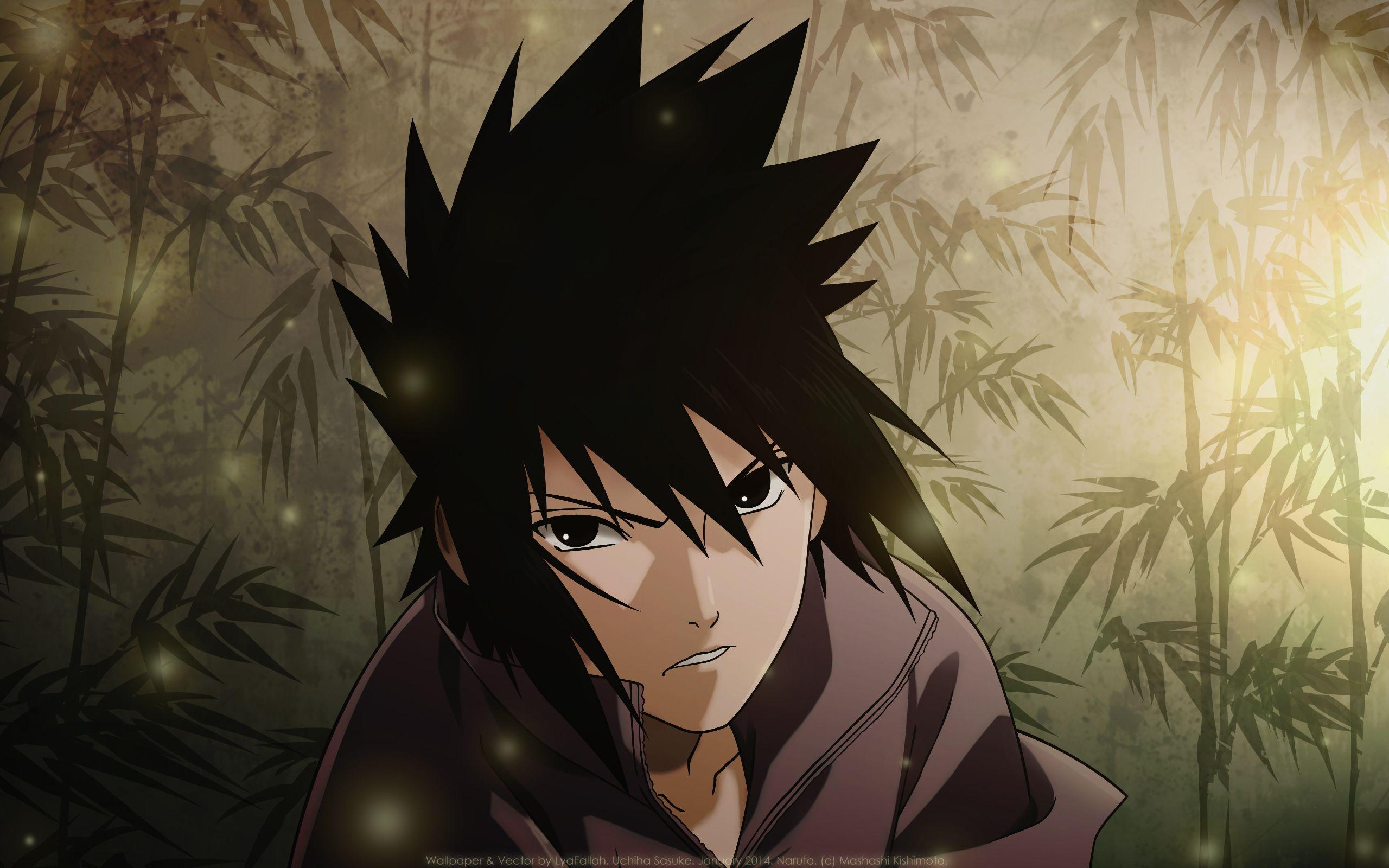
Sasuke Uchiha Character Analysis
Sasuke Uchiha stands as one of the most complex and compelling characters in the Naruto universe. His journey from a vengeful avenger to a redeemed guardian represents one of the most profound character arcs in anime history. This analysis explores the depths of Sasuke’s character, his motivations, and his ultimate transformation.
Character Background
The Uchiha Tragedy
- Clan Massacre: Witnessed the slaughter of his entire clan by his brother Itachi
- Traumatic Childhood: Forced to grow up with overwhelming grief and hatred
- Last Survivor: Became the sole remaining member of the once-great Uchiha clan
- Village Outcast: Lived in Konoha while carrying the burden of his family’s destruction
Initial Motivations
- Revenge: Primary driving force was to kill Itachi
- Power Seeking: Believed only absolute power could achieve his goals
- Isolation: Pushed away friends and allies to focus on his mission
- Hatred: Allowed darkness to consume his heart and actions
Personality Analysis
Core Traits
Aloof and Distant
- Emotional Walls: Built barriers to protect himself from further pain
- Superiority Complex: Believed himself above others due to his talent and tragedy
- Independence: Refused to rely on others for help or support
- Silent Type: Rarely expressed his true feelings or thoughts
Intense and Determined
- Single-Minded Focus: Devoted entire being to achieving his goals
- Unwavering Resolve: Never wavered in his pursuit of power and revenge
- Ruthless Efficiency: Would do whatever necessary to accomplish objectives
- Perfectionist: Demanded excellence from himself and others
Hidden Depth
- Capacity for Love: Despite outward coldness, cared deeply for his team
- Moral Compass: Struggled with the ethics of his actions
- Vulnerability: Moments of weakness showed his human side
- Protective Instincts: Would defend those he considered his own
Growth Journey Analysis
Phase 1: The Avenger
Academy and Team 7
- Rivalry with Naruto: Constant competition pushed both to improve
- Team 7 Bonds: Despite himself, formed connections with Sakura and Naruto
- Chunin Exams: First major test of his abilities and resolve
- Cursed Seal: Orochimaru’s mark began his descent into darkness
Leaving Konoha
- Betrayal: Abandoned his village and friends for power
- Orochimaru’s Training: Sought forbidden techniques to defeat Itachi
- Sound Village: Joined forces with enemies of Konoha
- First Kill: Took his first life, marking his moral decline
Phase 2: Truth and Confusion
Confronting Itachi
- Final Battle: The long-awaited showdown with his brother
- Devastating Truth: Learned Itachi sacrificed everything for the village
- Identity Crisis: Everything he believed was proven wrong
- Emotional Collapse: Complete breakdown of his worldview and purpose
Akatsuki and Taka
- New Team: Formed Taka with Suigetsu, Karin, and Jugo
- Destroying Konoha: Sought to destroy the village that used Itachi
- Five Kage Summit: Confronted the ninja world leadership
- Obito’s Influence: Manipulated into joining the larger conflict
Phase 3: Redemption
Fourth Great Ninja War
- Alliance with Naruto: Joined forces to protect the world
- Reanimated Itachi: Final conversation with his brother
- Understanding: Began to comprehend Itachi’s true intentions
- Power Evolution: Gained Rinnegan and Six Paths abilities
Final Showdown
- Valley of the End: Rematch with Naruto to determine the future
- Ideological Battle: Clash of philosophies about revolution vs. reform
- Defeat and Acceptance: Lost to Naruto but gained understanding
- Reconciliation: Finally accepted Naruto’s friendship and different path
Character Significance
Themes Represented
Cycle of Hatred
- Breaking the Pattern: Sasuke’s journey represents breaking generational trauma
- Pain’s Legacy: Understanding how hatred begets more hatred
- Forgiveness: Learning to forgive both others and himself
- Healing: The difficult process of moving past deep wounds
Power vs. Connection
- Isolation’s Cost: Realizing that power alone is meaningless
- Bonds’ Value: Understanding that relationships give life meaning
- Balance: Finding middle ground between strength and connection
- True Strength: Recognizing that protecting others requires vulnerability
Redemption Arc
- Second Chances: Everyone deserves opportunity to change
- Making Amends: Actions speak louder than apologies
- Shadow Guardian: Protecting from the shadows rather than seeking glory
- Acceptance: Finding peace with who you are and what you’ve done
Impact on Story
Naruto’s Foil
- Contrast: Represents everything Naruto is not
- Challenge: Forces Naruto to grow and prove his beliefs
- Balance: Completes Naruto’s character through their dynamic
- Ultimate Test: Final battle represents Naruto’s ultimate challenge
Series Themes
- Ninja World: Sasuke embodies the conflicts of the ninja system
- Revolution vs. Reform: His journey explores different approaches to change
- Individual vs. Community: Tension between personal goals and collective good
- Forgiveness: The series’ ultimate message embodied in his redemption
Psychological Analysis
Trauma and Coping
Childhood Trauma
- PTSD Symptoms: Flashbacks, nightmares, emotional numbing
- Survivor’s Guilt: Why did he survive when his family died?
- Trust Issues: Difficulty forming meaningful relationships
- Identity Crisis: Who is he without his revenge?
Defense Mechanisms
- Emotional Suppression: Refusing to feel or express pain
- Projection of Strength: Using power to mask vulnerability
- Rationalization: Justifying harmful actions for greater good
- Isolation: Pushing people away to avoid further hurt
Moral Development
Ethical Struggle
- Questioning Actions: Internal conflict about his methods
- Moral Boundaries: Lines he refused to cross
- Consequences: Understanding the impact of his choices
- Growth: Developing a more nuanced moral compass
Responsibility
- Accountability: Accepting blame for his actions
- Making Amends: Working to repair damage caused
- Future Focus: Using his abilities for positive change
- Leadership: Taking responsibility for the ninja world’s future
Legacy and Influence
Cultural Impact
- Fan Favorite: One of the most popular characters in the series
- Complex Anti-Hero: Represents the appeal of flawed characters
- Redemption Story: Provides hope for those who have lost their way
- Design Influence: His character design influenced many subsequent anime characters
Story Role
- Catalyst: His actions drive much of the series’ plot
- Growth Mirror: Reflects the possibility of change and redemption
- Philosophical Debate: Embodies questions about power, revenge, and peace
- Emotional Anchor: His relationship with Naruto provides emotional core
Conclusion
Sasuke Uchiha’s character arc represents one of the most sophisticated explorations of trauma, revenge, and redemption in anime history. His journey from a broken child consumed by hatred to a mature guardian seeking atonement demonstrates the complexity of human nature and the possibility of change.
His story teaches us that:
- Pain doesn’t justify cruelty: Our suffering doesn’t give us right to hurt others
- Truth can set us free: Understanding reality is first step to healing
- Redemption is possible: No matter how far we’ve fallen, we can choose differently
- Connection matters: Power without relationships is meaningless
- Growth takes time: Real change is a gradual process, not instant
Sasuke’s ultimate choice to protect the ninja world from the shadows, rather than seeking power or recognition, represents his complete transformation from avenger to guardian. His journey reminds us that our past doesn’t define our future, and that even the most broken among us can find redemption.

Image Name: sasuke-uchiha.jpg