Rasengan and Its Derivatives
Rasengan and Its Derivatives
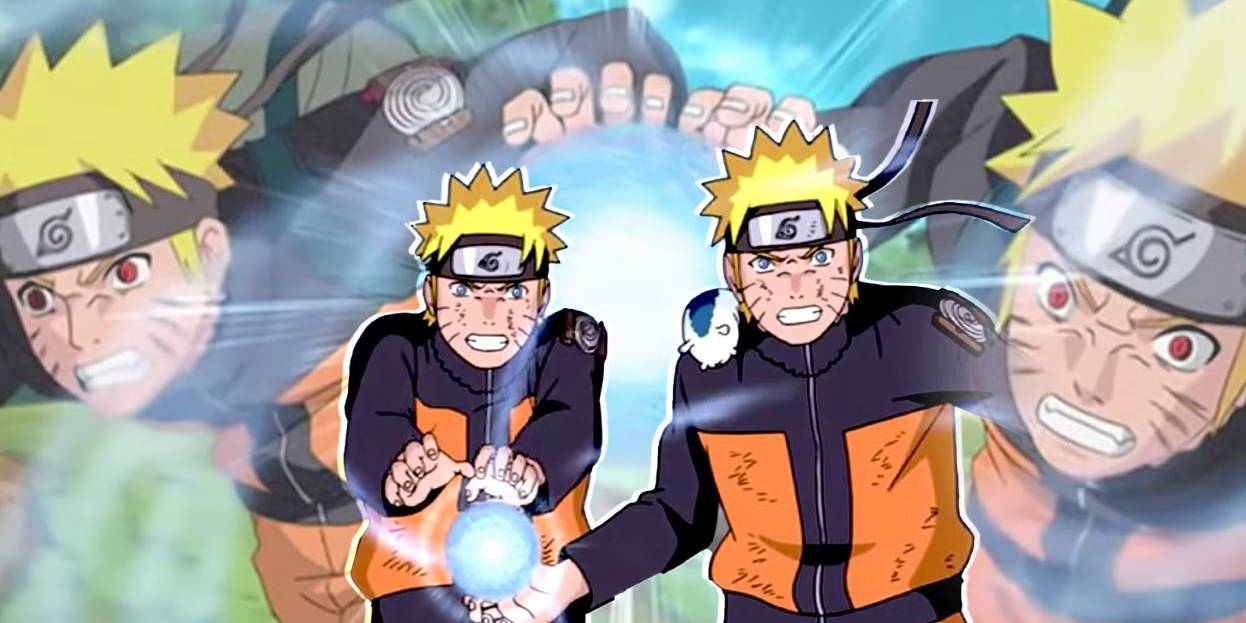
The Rasengan stands as one of the most iconic and versatile techniques in the Naruto series. Developed by the Fourth Hokage, Minato Namikaze, and perfected by his son Naruto Uzumaki, the Rasengan represents the pinnacle of shape transformation in ninjutsu. This comprehensive analysis explores the Rasengan’s development, its various forms, and its evolution from a simple sphere of chakra to one of the most devastating techniques in the ninja world.
Part 1: The Original Rasengan - Development and Mastery
Minato’s Creation
The Concept
- Inspiration: Minato’s desire to create a technique surpassing the Chidori
- Shape Transformation Focus: Pure shape transformation without nature transformation
- Three Training Stages: The developmental process Minato designed
- Time Investment: Three years to develop the basic technique
- Incomplete Technique: Minato’s intention to add nature transformation
The Three Stages
-
First Stage: Rotating Chakra in the Palm
- Training Method: Using a water balloon to sense rotation
- Chakra Control: Learning to create a stable rotation
- Common Mistakes: Uncontrolled rotation causing the balloon to burst
- Success Indicator: Maintaining rotation without bursting the balloon
-
Second Stage: Powering Up the Rotation
- Training Method: Using a rubber ball to increase rotation speed
- Chakra Intensity: Increasing the power of the rotation
- Physical Discomfort: The strain of maintaining high-speed rotation
- Success Indicator: Creating visible distortion in the rubber ball
-
Third Stage: Combining Rotation and Power
- Training Method: Using a solid stone to perfect the technique
- Chakra Stability: Maintaining the sphere’s shape
- Final Adjustments: Refining the technique for combat use
- Success Indicator: Creating a self-sustaining Rasengan
Naruto’s Mastery
Training Process
- Jiraiya’s Guidance: Learning the technique under Jiraiya’s tutelage
- Modifications to Training: Adapting Minato’s method to Naruto’s learning style
- Shadow Clone Assistance: Using clones to master multiple stages simultaneously
- Trial and Error: Naruto’s persistent practice despite failures
- First Successful Rasengan: His breakthrough during the battle with Kabuto
Combat Application
- Versatility: Using the Rasengan in various combat situations
- Chakra Efficiency: Improving his chakra control through Rasengan practice
- Signature Technique: The Rasengan becoming Naruto’s trademark
- Tactical Use: Employing the Rasengan in combination with other techniques
- Growth Indicator: His increasing mastery as the series progresses
Part 2: The Wind Release Rasengan - Nature Transformation
Development Process
Naruto’s Challenge
- ** Kakashi’s Suggestion**: Adding wind nature transformation to the Rasengan
- Nature Transformation Training: Mastering wind chakra at Mount Myoboku
- Combining Elements: The difficulty of merging shape and nature transformation
- Shadow Clone Training: Using clones to speed up the process
- Initial Failures: The instability of early attempts
The Wind Release Rasengan
- First Successful Attempt: The creation of the basic Wind Release Rasengan
- Visual Differences: The white coloration and sharp edges
- Increased Power: The destructive capacity compared to the regular Rasengan
- Chakra Consumption: The higher chakra cost of the enhanced technique
- Training Milestone: Naruto’s mastery of both shape and nature transformation
The Rasenshuriken - Ultimate Evolution
Development Challenges
- Instability Issues: The early Rasenshuriken’s tendency to disperse
- Hand Seals Controversy: The debate over whether it requires hand seals
- Chakra Control Requirements: The precise control needed to maintain its shape
- Physical Strain: The toll it takes on Naruto’s arm
- Forbidden Technique Status: The initial classification as a forbidden jutsu
The Complete Technique
- First Successful Use: Against Kakuzu in the Land of Fire
- Destructive Power: The ability to shred cells at a molecular level
- Range and Precision: The extendable reach of the technique
- Visual Impact: The iconic shuriken shape with wind blades
- Evolutionary Leap: The technique that surpasses Minato’s original vision
Part 3: Advanced Rasengan Variations
Size Variations
Big Ball Rasengan
- Development: Creating a larger version of the Rasengan
- Chakra Requirements: The increased chakra needed for the larger size
- Destructive Capacity: The massive damage potential
- Charging Time: The preparation needed before use
- Combat Applications: When to use the larger version
Giant Rasengan
- Further Enlargement: The even larger version used in Sage Mode
- Natural Energy Enhancement: The role of senjutsu chakra
- Environmental Impact: The ability to alter terrain
- Team Applications: Using it in combination with allies
- Limitation: The reduced mobility when using the giant version
Multi-Rasengan Techniques
Shadow Clone Rasengan Barrage
- Clone Coordination: Multiple clones each using Rasengan
- Training Required: The chakra control to maintain multiple Rasengans
- Tactical Advantage: Overwhelming opponents with multiple attacks
- Signature Combination: Naruto’s most common multi-clone technique
- Chakra Management: Balancing clone creation with Rasengan use
Rasengan Impact
- Sequential Attacks: Clones attacking in sequence with Rasengans
- Cumulative Damage: The compounding effect of multiple hits
- Psychological Impact: Overwhelming opponents mentally
- Strategic Placement: Positioning clones for maximum effect
- Energy Efficiency: Using clones to conserve Naruto’s chakra
Elemental and Mode-Enhanced Rasengans
Sage Mode Rasengan Variations
- Sage Art: Big Ball Rasengan: Enhanced with natural energy
- Sage Art: Rasenshuriken: The senjutsu-enhanced version
- Increased Power: The boost from natural energy
- Extended Range: The increased reach of Sage Mode techniques
- Sensory Advantages: Using Sage Mode perception with Rasengan techniques
Kurama Mode Rasengan
- Tailed Beast Chakra Enhancement: Using the Nine-Tails’ chakra
- Tailed Beast Ball Influence: The Rasengan’s resemblance to the tailed beast ball
- Massive Power Increase: The destructive capacity of Kurama Mode Rasengans
- Chakra Arms: Creating Rasengans at a distance using chakra arms
- Sustained Use: The ability to maintain Rasengans for extended periods
Six Paths Rasengan
- Six Paths Chakra: The divine chakra enhancing the technique
- Truth-Seeking Ball Integration: The black coloration from Truth-Seeking Balls
- Godly Power: The technique’s ability to harm even divine beings
- Symbolic Significance: Representing Naruto’s peak power
- Final Form: The ultimate evolution of the Rasengan
Part 4: Rasengan Derivatives and Combinations
Collaboration Techniques
Wind Style: Rasengan with Konohamaru
- Konohamaru’s Training: Learning the Rasengan from Naruto
- Collaboration Development: Creating a combined technique
- Wind Release Addition: Konohamaru’s contribution of wind nature
- Youthful Energy: The dynamic of their partnership
- Legacy Continuation: Passing the technique to the next generation
Naruto and Gamabunta: Giant Rasengan
- Summoning Combination: Using Gamabunta’s size to create a massive Rasengan
- Chakra Sharing: Naruto providing the technique’s core
- Gamabunta’s Assistance: The toad’s role in shaping and throwing the technique
- Environmental Impact: The massive destruction caused
- Iconic Moment: One of Naruto’s most memorable early techniques
Specialized Variations
Planetary Rasengan
- Multiple Rotations: Creating a Rasengan with smaller Rasengans orbiting it
- Development Process: Naruto’s innovation during the Fourth Great Ninja War
- Visual Spectacle: The technique’s impressive appearance
- Increased Destructive Power: The compound effects of multiple rotations
- Chakra Requirements: The high chakra cost of maintaining multiple Rasengans
Magnet Release Rasengan
- Killer B’s Influence: Learning to combine Rasengan with other natures
- Magnet Release Addition: Adding the Sand Village’s specialty
- Unique Properties: The magnetic field created by the technique
- Combination Potential: The ability to attract or repel objects
- Collaboration Technique: A symbol of the alliance between Konoha and the Sand
Lava Release Rasengan
- Combination with Son Goku: Using the Four-Tails’ lava release
- Volcanic Properties: The molten nature of the technique
- Burn Damage: The additional burning effect
- Visual Distinction: The red-orange coloration
- Tailed Beast Collaboration: Demonstrating Naruto’s bond with the tailed beasts
Rasenshuriken Variations
Sage Art: Giant Rasenshuriken
- Sage Mode Enhancement: The massive version used in Sage Mode
- Natural Energy Integration: The increased power and stability
- Extended Range: The ability to attack from a distance
- Environmental Destruction: The area-of-effect damage
- Strategic Use: When facing multiple opponents or large targets
Naruto Uzumaki Barrage: Rasenshuriken
- Multiple Clones: Each clone using a Rasenshuriken
- Coordinated Attack: Clones attacking from multiple angles
- Overwhelming Force: The sheer number of Rasenshurikens
- Chakra Management: Using Kurama’s chakra to maintain the clones
- Final Attack: Often used as a finishing move
Six Paths: Ultra-Big Ball Rasenshuriken
- Six Paths Chakra: The divine enhancement
- Massive Size: The largest version of the technique
- Truth-Seeking Balls: The black coloration and additional properties
- Godly Destruction: The ability to destroy even the strongest opponents
- Ultimate Technique: Naruto’s most powerful Rasengan variation
Part 5: The Rasengan in Combat
Offensive Applications
Direct Impact
- Targeted Destruction: Focusing the Rasengan on specific points
- Lethal Potential: The ability to kill with a direct hit
- Internal Damage: The damage to internal organs
- Armor Penetration: The ability to break through defensive techniques
- Versatile Delivery: Using various methods to deliver the Rasengan
Area-of-Effect Attacks
- Big Ball Rasengan: The larger version’s area damage
- Rasenshuriken: The wind blades’ wide reach
- Environmental Manipulation: Using the Rasengan to alter the battlefield
- Crowd Control: Dispatching multiple opponents at once
- Terrain Advantage: Creating obstacles or openings with the Rasengan
Defensive Applications
Counter-Attacks
- Intercepting Techniques: Using the Rasengan to stop incoming attacks
- Chakra Disruption: Disrupting opponents’ chakra with the Rasengan’s rotation
- Momentum Redirection: Using the rotation to redirect attacks
- Surprise Defense: Quickly forming a Rasengan to block unexpected attacks
- Psychological Defense: Deterring opponents with the Rasengan’s presence
Strategic Defense
- Barrier Creation: Using multiple Rasengans to create a defensive barrier
- Escape Maneuvers: Using the Rasengan’s power to blast through obstacles
- Distraction Technique: Creating a Rasengan to draw opponents’ attention
- Chakra Shield: Using the Rasengan’s chakra to block certain attacks
- Last Resort: The Rasengan as a final defensive measure
Part 6: Thematic Significance
The Rasengan as a Metaphor
Growth and Development
- Naruto’s Journey: The Rasengan’s evolution mirroring Naruto’s growth
- From Simple to Complex: The technique’s increasing complexity
- Overcoming Challenges: Naruto’s persistence in mastering the technique
- Potential Realization: The Rasengan as a symbol of untapped potential
- Continuous Improvement: The never-ending evolution of the technique
Connection and Legacy
- Minato’s Legacy: The Rasengan as a connection to Naruto’s father
- Passing the Torch: Teaching the technique to Konohamaru
- Symbol of Heritage: The Rasengan as a link to Konoha’s past
- Shared Experience: The technique bringing people together
- Enduring Legacy: The Rasengan’s place in ninja history
Balance and Harmony
- Shape and Nature: The balance of two chakra manipulation forms
- Power and Control: The need for both strength and finesse
- Offense and Defense: The Rasengan’s versatility in both roles
- Individual and Collective: Using clones to enhance the technique
- Natural and Spiritual: The integration of natural energy in Sage Mode
Philosophical Implications
Hard Work vs. Talent
- Minato’s Genius: The technique created by a prodigy
- Naruto’s Persistence: Mastered through hard work rather than natural talent
- Accessible Power: The Rasengan as a technique that rewards effort
- Inclusive Philosophy: Anyone can learn it with enough dedication
- Democratic Power: Not limited to specific bloodlines
Innovation and Adaptation
- Minato’s Innovation: Creating a revolutionary technique
- Naruto’s Adaptation: Modifying it to suit his abilities
- Continuous Evolution: The technique’s constant improvement
- Open-Source Technique: Being adapted and modified by others
- Future Potential: The possibility of further variations
The Cycle of Violence and Peace
- Destructive Power: The Rasengan’s capacity for harm
- Protective Purpose: Naruto’s use of it to protect others
- Responsible Use: The importance of using power wisely
- Symbol of Hope: The Rasengan as a force for good
- Breaking Cycles: Using the technique to end conflicts
Part 7: The Rasengan’s Impact on the Naruto Universe
Character Development
Naruto Uzumaki
- Identity Formation: The Rasengan as part of Naruto’s identity
- Confidence Building: Gaining self-esteem through mastering the technique
- Relationship with Father: The Rasengan as a connection to Minato
- Leadership Qualities: Using the technique to protect and inspire others
- Final Battle: The Rasengan’s role in the fight against Kaguya
Other Characters
- Konohamaru Sarutobi: Learning the technique as Naruto’s student
- Minato Namikaze: His legacy through the technique
- Jiraiya: His role in passing the technique to Naruto
- Kakashi Hatake: Guiding Naruto’s development of the Wind Release Rasengan
- Sasuke Uchiha: The Rasengan’s influence on his own techniques
Plot Significance
Key Battles
- Naruto vs. Kabuto: Naruto’s first use of the Rasengan
- Naruto vs. Gaara: The Rasengan as a symbol of Naruto’s resolve
- Naruto vs. Kakuzu: The debut of the Rasenshuriken
- Naruto vs. Pain: The Rasengan’s role in defeating the Six Paths
- Fourth Great Ninja War: The various Rasengan variations in battle
- Naruto vs. Kaguya: The Six Paths Rasengan in the final battle
Narrative Arcs
- Chunin Exams Arc: Naruto’s initial Rasengan training
- Sasuke Retrieval Arc: The Rasengan as Naruto’s primary technique
- Kazekage Rescue Arc: The development of the Wind Release Rasengan
- Pain Invasion Arc: The Rasengan’s role in protecting the village
- Fourth Great Ninja War Arc: The evolution of the technique
- Final Arc: The ultimate Rasengan variations
Part 8: The Rasengan in Popular Culture
Fan Reception
Popularity
- Iconic Status: The Rasengan as one of the most recognizable techniques in anime
- Merchandise: The Rasengan’s appearance in Naruto merchandise
- Fan Art: The countless fan interpretations of the technique
- Cosplay: The Rasengan’s depiction in cosplay
- Cultural Impact: The technique’s penetration into mainstream culture
Memes and References
- Internet Memes: The Rasengan’s use in online humor
- Pop Culture References: References in other media
- Video Games: The Rasengan’s inclusion in Naruto games
- Catchphrases: Naruto’s verbal cues when using the technique
- Parodies: Humorous takes on the Rasengan in other shows
Influence on Other Media
Anime and Manga
- Technique Design: Influence on other series’ power systems
- Training Arcs: The three-stage training as a model for other series
- Combination Techniques: The concept of merging techniques
- Signature Moves: The importance of iconic techniques
- Power Scaling: The gradual evolution of techniques
Video Games
- Fighting Games: The Rasengan as a special move in various games
- Character Design: The Rasengan’s influence on game mechanics
- Boss Battles: The Rasengan as a climactic technique
- Power Progression: The evolution of the technique in game sequels
- Player Satisfaction: The gratification of executing the Rasengan
Conclusion
The Rasengan stands as one of the most iconic and well-developed techniques in the Naruto series, a testament to the power of creativity, hard work, and innovation. From its humble beginnings as a simple sphere of rotating chakra to its ultimate form as the Six Paths Ultra-Big Ball Rasenshuriken, the Rasengan’s evolution mirrors the journey of its most famous user, Naruto Uzumaki.
What makes the Rasengan truly special is its accessibility. Unlike many powerful techniques in the Naruto universe, it is not limited to a specific bloodline or clan. It is a technique that rewards hard work and dedication, embodying Naruto’s own philosophy that anyone can achieve greatness with enough effort.
The Rasengan also serves as a powerful symbol of legacy and connection. Created by Minato Namikaze, passed down to Naruto through Jiraiya, and eventually taught to Konohamaru, it represents the passing of knowledge and wisdom from one generation to the next. It is a technique that bridges the gap between past and present, connecting Naruto to his father even though they never met.
Beyond its narrative significance, the Rasengan has left an indelible mark on popular culture. Its iconic design and impressive visuals have made it one of the most recognizable techniques in anime history, inspiring countless fans and influencing other works of media.
In the end, the Rasengan is more than just a powerful technique—it is a symbol of Naruto’s journey, a testament to the power of hard work, and a reminder that with enough dedication, even the most impossible challenges can be overcome.