Pain Invasion Arc Deep Dive
Pain Invasion Arc Deep Dive
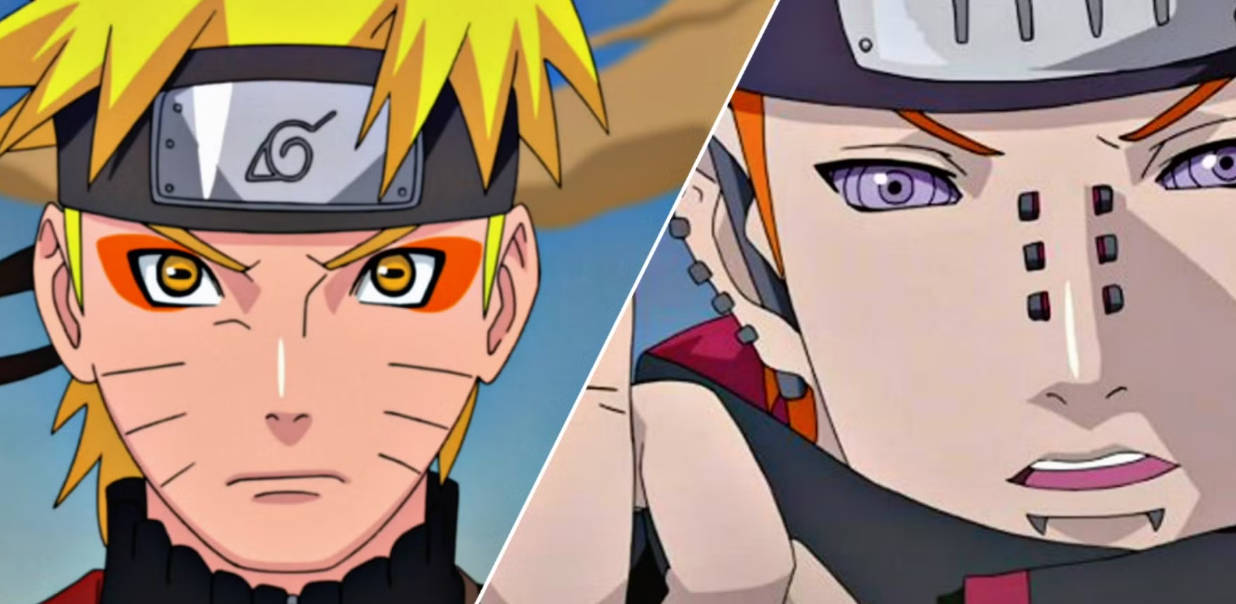
The Pain Invasion arc stands as one of the most impactful and emotionally resonant storylines in the entire Naruto series. This deep dive analysis explores the narrative structure, thematic depth, and character development that make this arc a masterpiece of shonen storytelling.
Arc Overview
Basic Information
- Episodes: 152-169 (Naruto Shippuden)
- Manga Chapters: 413-450
- Main Antagonist: Pain (Nagato) and the Six Paths of Pain
- Core Conflict: Akatsuki’s invasion of Konohagakure
Narrative Structure
Build-Up and Preparation
- Jiraiya’s Investigation: His mission to Amegakure
- Pain’s Backstory: Revealed through Jiraiya’s research
- Akatsuki’s Plan: The collection of tailed beasts
- Konoha’s Complacency: The village’s false sense of security
Invasion Sequence
- Pain’s Arrival: The Six Paths descend upon Konoha
- Village Defense: Konoha’s ninja respond to the threat
- Systematic Destruction: Pain’s methodical attack
- Ninja Battles: Various encounters between Konoha ninja and Pain’s paths
- Pain’s Speech: His philosophical justification for destruction
Climax and Resolution
- Naruto’s Return: His arrival after training in Sage Mode
- Epic Battle: Naruto vs. the Six Paths of Pain
- Pain’s Defeat: Naruto’s victory and Pain’s final moments
- Nagato’s Redemption: His decision to revive the village
- Aftermath: Konoha’s rebuilding and Naruto’s new status
The Six Paths of Pain
Individual Paths Analysis
Deva Path
- Identity: Yahiko’s corpse
- Abilities: Almighty Push, Universal Pull, Chibaku Tensei
- Role: Leader of the Six Paths
- Significance: Represents Pain’s public face and most powerful path
Asura Path
- Identity: Unknown ninja corpse
- Abilities: Mechanical modifications, weaponry
- Role: Frontline combatant
- Significance: Represents the physical pain of war
Human Path
- Identity: Unknown ninja corpse
- Abilities: Soul removal, mind reading
- Role: Intelligence gatherer
- Significance: Represents the emotional pain of loss
Animal Path
- Identity: Unknown ninja corpse (female)
- Abilities: Summoning jutsu, multiple creatures
- Role: Reconnaissance and overwhelming force
- Significance: Represents the animalistic nature of conflict
Preta Path
- Identity: Unknown ninja corpse
- Abilities: Chakra absorption
- Role: Defense against ninjutsu
- Significance: Represents the hunger for power
Naraka Path
- Identity: Unknown ninja corpse
- Role: Interrogation and revival
- Abilities: King of Hell, soul judgment
- Significance: Represents judgment and punishment
Symbolism and Philosophy
Six Paths as Manifestations
- Cycle of Reincarnation: Based on Buddhist Six Realms of Existence
- Pain’s Trauma: Each path represents a different aspect of his suffering
- Collective Consciousness: Unified by Nagato’s Rinnegan
- Dehumanization: Using corpses to distance himself from violence
Philosophical Framework
- Pain’s Ideology: Peace through mutual destruction
- Cycle of Hatred: His belief that pain is the only universal language
- Ninja System Critique: His rejection of the current world order
- Despair as Motivation: His journey from idealism to nihilism
Character Analysis
Naruto Uzumaki
Growth During Arc
- Sage Mode Mastery: His newfound power and maturity
- Emotional Intelligence: His ability to understand Pain’s suffering
- Leadership Emergence: His calm under pressure and strategic thinking
- Moral Compass: His refusal to kill Pain despite the destruction
- Speech of Hope: His iconic address to Pain and the village
Key Moments
- Return to Konoha: His dramatic entrance
- Pain’s Defeat: The climax of their battle
- Nagato’s Redemption: His ability to change Pain’s mind
- Village Acceptance: The moment the villagers finally embrace him
Nagato (Pain)
Character Depth
- Tragic Backstory: From idealistic child to destroyer
- Yahiko’s Influence: His friend’s death as turning point
- Jiraiya’s Student: The teacher-student connection
- Philosophical Journey: From hope to despair and back
- Redemption Arc: His final act of revival
Motivations and Conflict
- Altruistic Beginnings: Desire to end the cycle of war
- Traumatic Transformation: Loss turning him to extremism
- Akatsuki’s Purpose: His version of the organization’s goals
- Internal Conflict: His struggle between pain and hope
- Naruto’s Influence: The catalyst for his change of heart
Supporting Characters
Tsunade
- Leadership During Crisis: Her role as Hokage during invasion
- Gambler’s Fallacy: Her desperate gamble to protect the village
- Emotional Strain: The weight of responsibility
- Coma and Recovery: Her physical and emotional journey
Kakashi Hatake
- Battle Against Pain: His valiant effort against the Six Paths
- Near-Death Experience: His encounter with the Human Path
- Strategic Mind: His analysis of Pain’s abilities
- Return to Life: His revival and new perspective
Konoha Ninja
- Collective Heroism: Various ninja sacrificing themselves
- Shikamaru’s Strategy: His leadership during the crisis
- Inoichi’s Sacrifice: His role in the psychic network
- Tsunade’s Protectors: The ninja who defend her
Thematic Analysis
1. Cycle of Hatred
Exploration in Arc
- Nagato’s Backstory: His journey from victim to victimizer
- Pain’s Philosophy: His belief that pain creates understanding
- Konoha’s History: The village’s role in past conflicts
- Jiraiya’s Regret: His failure to guide Nagato
- Naruto’s Rejection: His refusal to continue the cycle
Narrative Purpose
- Moral Complexity: No clear good or evil, only pain
- Systemic Critique: The ninja system as perpetuator of violence
- Hope Through Understanding: Naruto’s alternative to endless conflict
- Redemption Possibility: Nagato’s change of heart
2. The Cost of War
Visual Representation
- Konoha’s Destruction: The physical cost of conflict
- Casualties: The human toll of war
- Emotional Trauma: The psychological impact on survivors
- Infrastructure Collapse: The rebuilding required after war
Emotional Impact
- Kakashi’s Death: One of the series’ most shocking moments
- Konoha’s Despair: The village’s darkest hour
- Nagato’s Childhood: The innocent victims of war
- Naruto’s Grief: His pain at the destruction of his home
3. Hope vs. Despair
Philosophical Conflict
- Nagato’s Despair: His belief in the inevitability of suffering
- Naruto’s Hope: His unwavering belief in a better future
- Jiraiya’s Legacy: His faith in the Child of Prophecy
- Yahiko’s Idealism: His original dream for peace
Narrative Resolution
- Nagato’s Choice: His decision to believe in Naruto
- Cycle Broken: The first step toward true peace
- Village Unity: Konoha coming together after destruction
- New Beginning: The village’s rebirth symbolizing hope
Cinematic and Technical Analysis
Animation Quality
Visual Spectacle
- Pain’s Techniques: Almighty Push and Chibaku Tensei
- Naruto’s Sage Mode: The visual representation of his power
- Konoha’s Destruction: The detailed animation of the village’s collapse
- Battle Choreography: The fluidity of the Naruto vs. Pain fight
Emotional Visuals
- Nagato’s Flashbacks: The animation of his childhood trauma
- Character Expressions: The pain and despair on Konoha ninja’s faces
- Naruto’s Determination: His facial expressions during the final battle
- Village Recovery: The hopeful imagery of Konoha’s rebuilding
Musical Score
Theme Music
- Pain’s Theme: Ominous and haunting
- Naruto’s Theme: Uplifting and determined
- Emotional Cues: Music that enhances key emotional moments
- Battle Music: Intense tracks during the invasion
Musical Significance
- Jiraiya’s Theme: Used to evoke his memory and legacy
- Silence and Sound: Strategic use of silence during emotional moments
- Crescendos: Building to climactic moments
- Thematic Motifs: Recurring musical themes that tie the arc together
Pacing and Tension
Narrative Rhythm
- Steady Build-Up: The gradual escalation of threat
- Intense Action: The non-stop invasion sequence
- Emotional Breaks: Moments of reflection amid chaos
- Climax Construction: Multiple climactic moments building to the final battle
- Resolution Pacing: The gradual wind-down after the invasion
Tension Techniques
- Countdown Elements: The ticking clock of destruction
- Character Sacrifices: The increasing body count
- Power Escalation: Each Path of Pain showing more power
- Uncertain Outcome: The genuine threat of Konoha’s destruction
- Hope Spots: Brief moments of potential victory before further defeat
Impact and Legacy
Series Significance
Narrative Turning Point
- Naruto’s Ascendance: His transformation from outcast to hero
- Akatsuki’s Decline: The beginning of the organization’s end
- Theme Clarification: The series’ core message crystalized
- Power Scaling: A new benchmark for battles in the series
Character Development Catalyst
- Naruto’s Maturity: His evolution into a wise leader
- Konoha’s Perception: The village’s new view of Naruto
- Nagato’s Redemption: One of the series’ most powerful redemption arcs
- Future Alliances: The seeds of peace planted
Cultural Impact
Popularity Peak
- Viewership Records: One of the most-watched arcs in anime history
- Critical Acclaim: Praised for its emotional depth and storytelling
- Memorable Moments: Multiple scenes considered among anime’s greatest
- Philosophical Discussion: Sparked debate about its themes
Influential Elements
- Villain Redemption: Set a new standard for antagonist development
- Moral Complexity: Showed that villains could have sympathetic motivations
- Action Choreography: Raised the bar for anime fight scenes
- Emotional Storytelling: Proved shonen anime could tackle mature themes
Philosophical Impact
Ethical Questions Raised
- Justified Violence: When is destruction morally acceptable?
- Systemic Change: How to fix broken systems
- Cycle of Revenge: The futility of eye-for-an-eye justice
- Hope in Despair: Maintaining optimism in dark times
- Redemption Possibility: Can anyone truly change?
Philosophical Legacy
- Ninja System Critique: The arc’s indictment of the status quo
- Pain’s Philosophy: His arguments continue to be debated
- Naruto’s Answer: His solution of empathy and understanding
- Moral Ambiguity: The arc’s refusal to provide easy answers
Conclusion
The Pain Invasion arc represents the artistic and narrative peak of the Naruto series, delivering a powerful story that transcends typical shonen tropes. Through its exploration of war, trauma, and the possibility of redemption, this arc challenges viewers to confront difficult questions about violence, justice, and the human capacity for both destruction and renewal.
At its core, the Pain Invasion arc is a story about hope in the face of overwhelming despair. Naruto’s refusal to give in to hatred, even after witnessing the destruction of his home, serves as a powerful reminder of the human capacity for resilience and compassion.
Pain’s journey from idealistic child to destroyer and back to redeemer encapsulates the series’ most profound theme: that no one is beyond saving, and that understanding and empathy can break even the oldest cycles of hatred.
As both a standalone narrative and a pivotal moment in the larger Naruto saga, the Pain Invasion arc stands as a testament to the power of storytelling to inspire, challenge, and ultimately, to heal.