Obito Uchiha Character Transformation
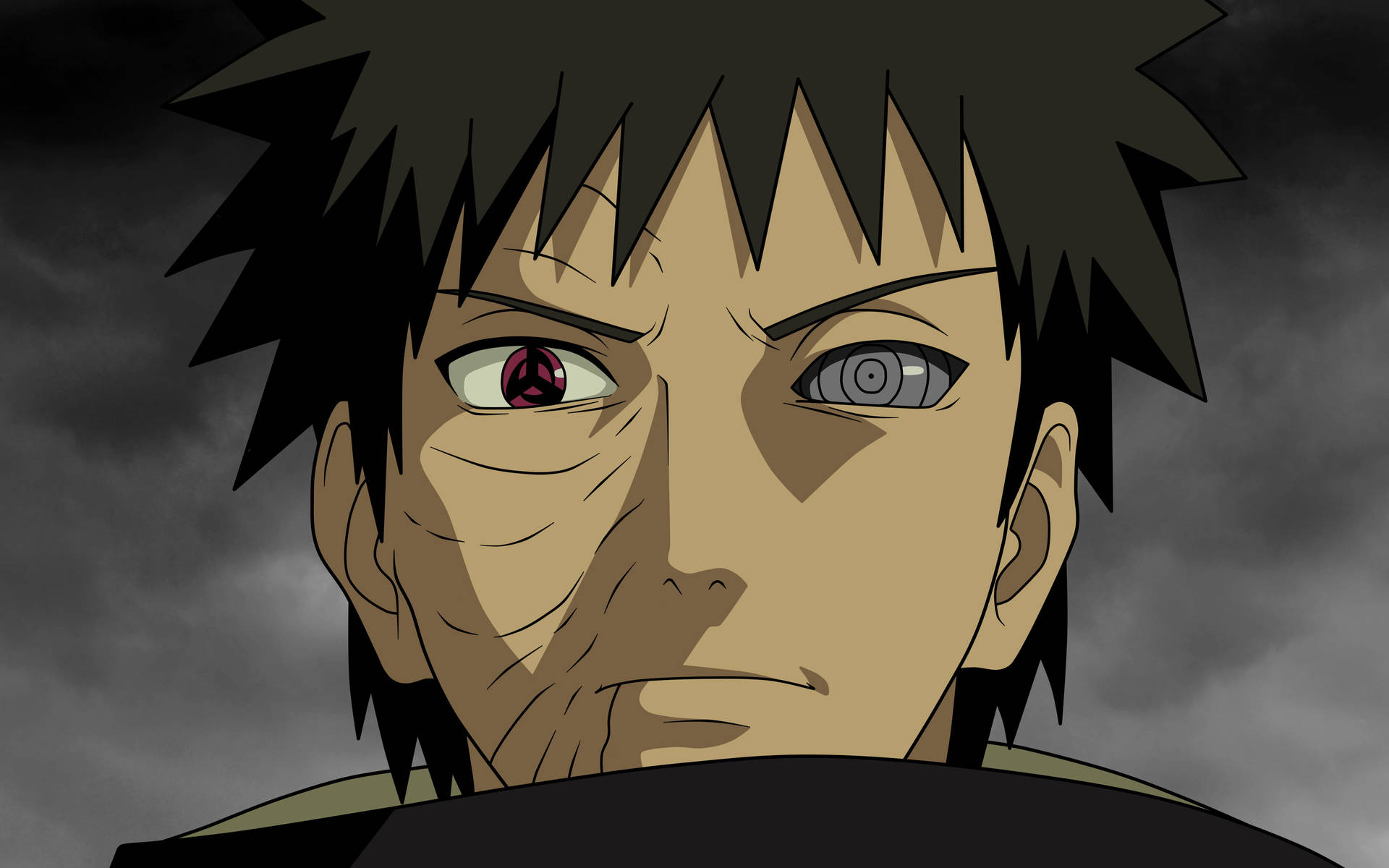
Obito Uchiha Character Transformation
Obito Uchiha’s character arc represents one of the most dramatic and compelling transformations in the Naruto series. From an idealistic, somewhat clumsy youth to a ruthless villain known as Tobi/Madara, and finally to a redeemed hero, Obito’s journey is a masterclass in character development. This comprehensive analysis explores every phase of his transformation, examining the psychological, emotional, and philosophical factors that drive his remarkable change.
Part 1: The Idealistic Youth
Early Childhood and Academy Years
Personality Formation
- Optimistic Nature: Naturally cheerful and hopeful despite challenges
- Dreamer Tendencies: Aspiring to become Hokage like his hero, the Fourth Hokage
- Compassionate Heart: Inclined to help others even at his own expense
- Underdog Status: Considered less talented than his peers, especially Kakashi
Social Relationships
- Rin’s Crush: His unrequited love for Rin Nohara
- Kakashi’s Rivalry: His friendly competition with the prodigious Kakashi
- Minato’s Mentorship: His admiration for his sensei
- Team Minato Bond: His place in the team dynamic
The Kannabi Bridge Mission: Catalyst for Change
The Mission
- Team Assignment: The mission to destroy the Kannabi Bridge
- Obito’s Hesitation: His reluctance to leave Rin behind
- Kakashi’s Leadership: The tension between their approaches
- The Cave-In: The fateful event that changes everything
Obito’s “Death”
- Sacrificial Act: Pushing Kakashi to safety during the cave-in
- Sharingan Awakening: His first use of the Sharingan in a moment of crisis
- Gift to Kakashi: Giving his Sharingan to his rival
- Declaration of Love: His final words about Rin and becoming Hokage
- Believed Death: The team’s assumption that he perished
Part 2: The Resurrected Villain
Survival and Manipulation
Madara’s Intervention
- Zetsu’s Rescue: Being saved by Black Zetsu disguised as Madara
- Rehabilitation: The long process of recovering from his injuries
- Madara’s Plan: The introduction to the Eye of the Moon Plan
- False Hope: Being manipulated into believing the plan could bring back Rin
Physical Transformation
- White Zetsu Arm: His artificial limb replacing his crushed arm
- Mask as Identity: Adopting the mask to hide his true identity
- Physical Training: Regaining and enhancing his ninja abilities
- Sharingan Mastery: Developing his Sharingan to its full potential
Psychological Breakdown
Rin’s Death
- The Trauma: Witnessing Rin’s death at Kakashi’s hand
- Emotional Collapse: His complete psychological breakdown
- Worldview Shattering: His idealism destroyed in an instant
- Hatred as Motivation: Embracing hatred as a replacement for hope
- Madara’s Plan Adoption: Fully committing to the Eye of the Moon Plan
Identity Transformation
- Tobi Persona: Adopting the playful, eccentric persona of Tobi
- Madara Impersonation: Later assuming the identity of the resurrected Madara
- Emotional Numbing: Suppressing all genuine emotion
- Moral Disengagement: Justifying any action in pursuit of his goal
- Ends Justify Means: Abandoning his previous moral code
Part 3: The Villainous Agent
Akatsuki Involvement
Joining the Organization
- Recruitment: His entry into Akatsuki under the Tobi persona
- Leadership Role: Gradually taking control of the organization
- Nagato’s Manipulation: Using Pain to further his goals
- Zetsu’s Puppet: Unwittingly serving as Black Zetsu’s tool
Operations and Schemes
- Tailed Beast Collection: Overseeing the capture of all tailed beasts
- Konoha Invasion: Orchestrating Pain’s attack on the village
- Sasuke’s Manipulation: Using Sasuke’s hatred for his own purposes
- Fourth Great Ninja War: Starting the war to facilitate the Eye of the Moon Plan
The Masked Man: Tobi’s Dual Personality
Tobi Persona
- Comic Relief: His playful, foolish demeanor as a facade
- Strategic Deception: Using his act to lower others’ guard
- Informal Leadership: His unorthodox management style
- Emotional Distance: The mask as both physical and psychological protection
True Self
- Hidden Anger: His seething rage beneath the playful exterior
- Grief and Guilt: His unresolved pain over Rin’s death
- Obsessive Goal: His singular focus on the Eye of the Moon Plan
- Self-Loathing: His hatred for his former idealistic self
- Nihilistic Worldview: His belief in the pointlessness of the current world
Part 4: The Path to Redemption
Confrontation with Naruto
Philosophical Conflict
- Naruto’s Idealism: His unwavering belief in hope and bonds
- Obito’s Nihilism: His rejection of the current world
- Clash of Ideals: Their philosophical debate about the nature of reality
- Shared Pain: Naruto’s recognition of Obito’s grief
- Empathetic Appeal: Naruto’s ability to understand Obito’s suffering
Doubt and Conflict
- Inner Turmoil: His struggle between his villainous persona and his former self
- Rin’s Memory: The resurfacing of his love for Rin
- Minato’s Influence: His encounter with his former sensei
- Kakashi’s Reunion: Confronting his old rival and friend
- The Realization: Recognizing that the Eye of the Moon Plan is not what Rin would have wanted
Redemption and Sacrifice
Choice to Change
- Betrayal of Madara: Turning against his former ally
- Team 7 Alliance: Joining forces with Naruto, Sasuke, and Kakashi
- Truth Revelation: Exposing Black Zetsu’s true agenda
- Atonement Mission: Seeking to make amends for his crimes
Final Sacrifice
- Protecting Naruto: Shielding him from Kaguya’s attack
- Life Force Transfer: Giving his remaining life force to Naruto
- Final Words: His apology and final instructions
- Spiritual Reconciliation: His meeting with Rin in the afterlife
- Legacy: His final act of redemption
Psychological Analysis of Transformation
Trauma and Grief
Complex PTSD
- Multiple Traumatic Events: The cave-in, Rin’s death, and his manipulation
- Flashbacks: Recurring memories of Rin’s death
- Emotional Numbing: His inability to feel genuine emotion
- Hypervigilance: Constantly on guard against further pain
- Avoidance Behaviors: His withdrawal from anything that reminds him of his former self
Disenfranchised Grief
- Unacknowledged Loss: His grief over Rin’s death never properly mourned
- Societal Stigma: His feelings of shame for his vulnerability
- Complicated Mourning: His grief complicated by his role in her death
- Prolonged Grief Disorder: His inability to move past Rin’s death
Identity Formation and Dissociation
Identity Fragmentation
- Multiple Selves: His original self, Tobi, and the Madara persona
- Dissociative Amnesia: His selective memory of his past
- Identity Confusion: His uncertainty about who he truly is
- Depersonalization: His feeling of being detached from his own body
Defense Mechanisms
- Splitting: Viewing the world in terms of absolute good and evil
- Displacement: Directing his anger from Rin’s death to the entire world
- Sublimation: Channeling his grief into the Eye of the Moon Plan
- Identification with the Aggressor: Adopting Madara’s worldview
Moral Development
Kohlberg’s Stages
- Pre-Conventional: His early focus on personal gain (becoming Hokage to impress Rin)
- Conventional: His adherence to ninja values and team loyalty
- Post-Conventional: His rejection of societal norms in favor of his own moral code
- Moral Disengagement: His suspension of moral self-regulation
- Moral Reengagement: His return to ethical reasoning during redemption
Moral Injury
- Perpetrator Trauma: His guilt over the harm he caused
- Betrayal Trauma: His sense of betrayal by the ninja system
- Survivor Guilt: His guilt over surviving when Rin died
- Moral Repair: His journey to make amends for his actions
Thematic Analysis
1. The Power of Love and Loss
Narrative Exploration
- Love as Motivation: His transformation driven by love for Rin
- Grief as Destruction: His descent into villainy through unbearable grief
- Love as Redemption: His return to heroism through remembering his love for Rin
- Universal Love: His final understanding of love beyond romantic attachment
Philosophical Commentary
- Love’s Dual Nature: Love as both creative and destructive force
- Grief’s Impact: The profound effect of unresolved grief on the human psyche
- Love’s Redemptive Power: The ability of love to overcome even the deepest hatred
- Self-Love: The importance of self-acceptance in the healing process
2. The Cycle of Hatred
Narrative Exploration
- Obito’s Embrace: His decision to perpetuate the cycle of hatred
- Naruto’s Rejection: His refusal to continue the cycle
- The System’s Role: The ninja system’s role in creating cycles of violence
- Breaking the Cycle: Obito’s redemption as part of breaking the cycle
Philosophical Commentary
- Systemic Violence: How social systems perpetuate individual suffering
- Intergenerational Trauma: How trauma is passed from one generation to the next
- Choice in Breaking Cycles: The individual’s power to choose differently
- Collective Responsibility: The community’s role in ending cycles of violence
3. The Nature of Identity
Narrative Exploration
- Multiple Selves: Obito’s different personas throughout his life
- External Influence: How others’ perceptions shape our identity
- Choice in Identity: His final choice to reclaim his true self
- Identity Integration: His reconciliation of his different selves
Philosophical Commentary
- Self as Construct: The understanding that identity is not fixed but constructed
- Social Identity: The role of relationships in forming our sense of self
- Authenticity: The importance of being true to one’s core values
- Transformation as Growth: The possibility of fundamental change through self-awareness
Relationship Analysis
Obito and Rin: The Core Relationship
Unrequited Love
- Early Infatuation: His childhood crush on Rin
- Selfless Devotion: His willingness to sacrifice everything for her
- Idealized Image: His tendency to put Rin on a pedestal
- Grief and Obsession: His inability to move past her death
- Redemptive Love: His final understanding of what Rin truly wanted
Obito and Kakashi: From Rivalry to Redemption
Rivalry and Friendship
- Early Competition: Their friendly rivalry in Team Minato
- Mutual Respect: The growing respect beneath their competition
- Obito’s Sacrifice: His gift of the Sharingan to Kakashi
- Kakashi’s Guilt: Kakashi’s burden of carrying Obito’s eye and memory
- Reunion and Conflict: Their emotional confrontation as enemies
- Final Reconciliation: Their partnership in the final battle
Obito and Naruto: Parallel Journeys
Shared Ideals
- Hokage Dream: Both aspiring to become Hokage
- Compassionate Nature: Both driven by a desire to help others
- Underdog Status: Both initially underestimated
- Rin and Hinata: Their respective love interests
Naruto’s Influence
- Philosophical Challenge: Naruto’s rejection of Obito’s worldview
- Empathetic Connection: Naruto’s ability to understand Obito’s pain
- Hope as Antidote: Naruto’s hope countering Obito’s despair
- Redemptive Catalyst: Naruto’s belief in Obito’s capacity for good
Symbolism and Imagery
The Mask
Symbolic Meaning
- Identity Concealment: Hiding his true self from the world
- Emotional Protection: Shielding himself from further pain
- Dual Personality: Representing his split identity
- Transformation Marker: The mask’s removal symbolizing his return to his true self
Visual Evolution
- Original Mask: The simple spiral mask of Tobi
- Madara Mask: The more intimidating mask when impersonating Madara
- Mask Removal: The dramatic moment when he reveals his true identity
- No Mask: His final appearance without any mask, symbolizing his authenticity
The Sharingan
Symbolic Meaning
- Love and Loss: Awakened through love for Rin and grief over her death
- Connection to Kakashi: The physical link between them
- Power and Responsibility: The double-edged sword of his power
- Redemption: His Sharingan’s role in his final sacrifice
Rin’s Memory
Symbolic Appearances
- Flowers: Often associated with Rin’s memory
- Water: Symbolizing Rin’s gentle nature
- Sunlight: Representing her warmth and positivity
- Silhouette: Her recurring image in Obito’s memories
Impact and Legacy
Narrative Impact
Plot Catalyst
- Akatsuki’s Actions: His role in shaping the organization’s plans
- Fourth Great Ninja War: His responsibility for starting the war
- Naruto’s Growth: His role in Naruto’s development as a hero
- Kakashi’s Development: His influence on Kakashi’s journey
- Black Zetsu’s Plan: His unwitting role in Black Zetsu’s scheme
Thematic Depth
- Redemption Arc: His story as one of the most powerful redemption arcs in anime
- Moral Complexity: Adding nuance to the series’ exploration of good and evil
- Love and Loss: Deepening the series’ themes of love and grief
- Cycle of Hatred: Illustrating the destructive nature of hatred and the possibility of breaking free
Cultural Impact
Fan Reception
- Character Popularity: Consistently ranked among the series’ most beloved characters
- Redemption Arc: Praised for its emotional depth and authenticity
- Moral Ambiguity: Appreciated for his complexity as a villain with understandable motives
- Emotional Resonance: His story resonating with fans who have experienced loss
Influence on Media
- Redemption Narrative: Setting a new standard for villain redemption arcs
- Trauma Representation: Providing a nuanced portrayal of trauma and its effects
- Complex Villainy: Influencing the portrayal of villains with sympathetic backstories
- Identity Transformation: Exploring the concept of multiple selves and identity change
Conclusion
Obito Uchiha’s character transformation represents one of the most profound and emotionally resonant arcs in the Naruto series. His journey from idealistic youth to ruthless villain to redeemed hero is a powerful exploration of the human capacity for both darkness and light.
What makes Obito’s transformation truly remarkable is its authenticity. His descent into villainy is not sudden or unrealistic, but a gradual process driven by unbearable grief and manipulation. Similarly, his redemption is not a quick fix but a painful, deliberate choice to confront his past and make amends.
Obito’s story teaches us that:
- Grief can destroy us if left unresolved: His descent into villainy shows the devastating impact of unprocessed grief
- We are all capable of both good and evil: His transformation demonstrates the dual nature of humanity
- Redemption is always possible: No matter how far we fall, we can choose to change
- Love is both a destructive and redemptive force: His love for Rin drives both his villainy and his redemption
- Our choices define us, not our past: His final sacrifice shows that we can transcend our mistakes
In the end, Obito Uchiha stands as a testament to the resilience of the human spirit. His journey reminds us that even in our darkest moments, there is always hope for redemption, and that love—even in loss—can light the way back to our true selves.
From the idealistic boy who dreamed of becoming Hokage to the redeemed hero who sacrifices himself to save the world, Obito’s transformation is a story that will continue to inspire and move audiences for generations to come.