Naruto World Geography and Political Structure
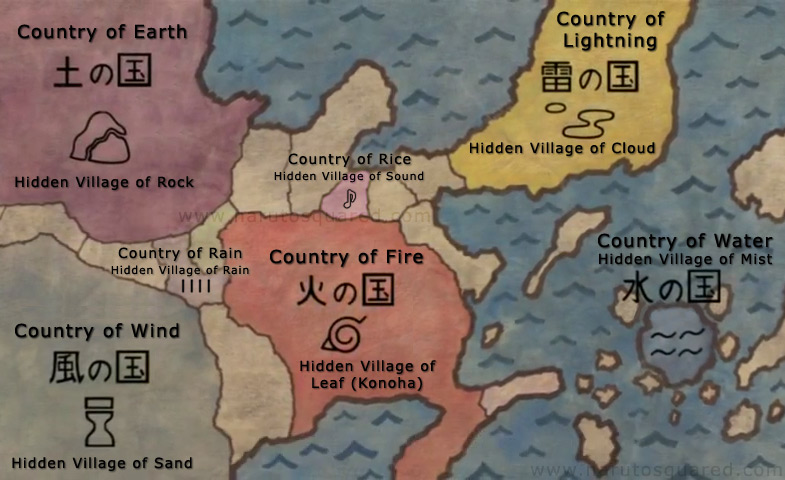
Naruto World Geography and Political Structure
The Naruto universe is a vast and complex world with a rich geographical layout and intricate political systems. Spanning multiple continents and featuring diverse cultures, this world has shaped the course of ninja history and continues to influence the lives of its inhabitants. This comprehensive analysis explores the geographical features, political organizations, and power dynamics that define the Naruto world.
Part 1: Geographical Overview
Continental Structure
The Main Continent
- Landmass Distribution: The primary continent where most of the series takes place
- Five Great Nations: The major political powers占据中心位置
- Minor Nations: Smaller countries filling the gaps between major powers
- Natural Barriers: Mountains, deserts, and rivers creating natural borders
- Climate Zones: From arctic north to tropical south
Other Landmasses
- Island Nations: Countries like the Land of Waves and Land of Water
- Archipelagos: Groups of islands with their own unique cultures
- Remote Continents: Mentioned but rarely seen lands
- Mythical Locations: Places like the Moon and Sage Regions
- Unexplored Territories: Vast areas yet to be charted
Key Geographical Features
Mountain Ranges
- Hida Mountains: Separating the Land of Earth from other nations
- Karakoram Mountains: Protecting the Land of Lightning
- Tanzawa Mountains: Near Konohagakure
- Misty Mountains: Surrounding the Land of Water
- Myoboku Mountain: Home to the Toad Sages
Bodies of Water
- Inland Sea: Separating the Land of Water from the mainland
- Nakano River: A major waterway through the Land of Fire
- Red Sand River: Flowing through the Land of Wind
- Frost Country Bay: Northern waters near the Land of Snow
- Ocean Routes: Maritime trade paths between nations
Deserts and Forests
- Wind Country Desert: The vast desert of Sunagakure
- Fire Country Forests: Lush woodlands surrounding Konohagakure
- Earth Country Badlands: Rugged terrain of Iwagakure
- Grass Country Plains: Fertile lands for agriculture
- Rain Country Jungles: Dense vegetation with constant rainfall
Part 2: Political Structure
The Five Great Nations
Land of Fire
- Capital City: The political center of the Fire Nation
- Konohagakure: The Hidden Leaf Village
- Political System: Feudal monarchy with ninja village autonomy
- Economic Base: Agriculture, forestry, and trade
- Military Strength: Balanced forces with strong ninja
Land of Wind
- Capital City: The political center of the Wind Nation
- Sunagakure: The Hidden Sand Village
- Political System: Desert kingdom with ninja village integration
- Economic Base: Trade, mineral resources, and limited agriculture
- Military Strength: Mobile forces adapted to desert warfare
Land of Earth
- Capital City: The political center of the Earth Nation
- Iwagakure: The Hidden Stone Village
- Political System: Authoritarian state with strong central control
- Economic Base: Mining, stone quarrying, and heavy industry
- Military Strength: Defensive forces with powerful earth ninjutsu
Land of Lightning
- Capital City: The political center of the Lightning Nation
- Kumogakure: The Hidden Cloud Village
- Political System: Monarchy with close ninja-village integration
- Economic Base: Fishing, maritime trade, and technology
- Military Strength: Offensive forces with lightning-based techniques
Land of Water
- Capital City: The political center of the Water Nation
- Kirigakure: The Hidden Mist Village
- Political System: Oligarchy with ninja village dominance
- Economic Base: Fishing, maritime trade, and aquaculture
- Military Strength: Naval forces with water-based techniques
Minor Nations
Land of Waves
- Geographical Features: Small island nation
- Economic Activities: Shipbuilding and maritime trade
- Ninja Presence: Limited, relying on hired ninja
- Political Status: Often dominated by larger nations
- Strategic Importance: Control of sea routes
Land of Rain
- Geographical Features: Constant rainfall, mountainous terrain
- Economic Activities: Limited agriculture, mercenary work
- Ninja Presence: Amegakure, the Hidden Rain Village
- Political Status: Buffer zone between major powers
- Strategic Importance: Crossroads of trade routes
Land of Grass
- Geographical Features: Fertile plains, central location
- Economic Activities: Agriculture, trade
- Ninja Presence: Kusagakure, the Hidden Grass Village
- Political Status: Neutral territory
- Strategic Importance: Central location for communication
Land of Snow
- Geographical Features: Arctic climate, snowy terrain
- Economic Activities: Ice-based industries, technology
- Ninja Presence: Yukigakure, the Hidden Snow Village
- Political Status: Isolated from other nations
- Strategic Importance: Advanced technology development
Part 3: Ninja Villages
Village Structure
Hidden Village Organization
- Kage: The village leader and strongest ninja
- Council: Advisory body to the Kage
- Jonin Commander: Oversees mission assignments
- Military Police: Maintains order within the village
- Ninja Academy: Trains new ninja
Village Hierarchy
- Kage: Highest authority
- Jonin: Elite ninja and instructors
- Chunin: Experienced ninja and mission leaders
- Genin: Newly graduated ninja
- Academy Students: Trainees
Village Infrastructure
- Training Grounds: Areas for ninja practice
- Mission Assignment Desk: Coordinates missions
- Hospitals: Medical facilities
- Markets: Commercial districts
- Residential Areas: Housing for villagers
Village Relations
Alliances and Treaties
- Mutual Defense Pacts: Agreements between villages for protection
- Trade Agreements: Economic cooperation
- Non-Aggression Treaties: Promises of peaceful coexistence
- Allied Shinobi Forces: United front during the Fourth Great Ninja War
- Diplomatic Missions: Exchanges between villages
Conflicts and Rivalries
- Historical Wars: Past conflicts between villages
- Territorial Disputes: Land and resource conflicts
- Espionage: Intelligence gathering between villages
- Bloodline Theft: Stealing kekkei genkai
- Proxy Wars: Using smaller nations to fight indirectly
Part 4: Political Power Dynamics
Balance of Power
Five Great Nations
- Military Balance: No single nation dominates
- Economic Interdependence: Nations rely on each other for resources
- Ninja Village Strength: The power of each village’s ninja
- Strategic Alliances: Shifting partnerships to maintain balance
- Deterrence: The threat of retaliation preventing aggression
Power Shifts
- World Wars: Major conflicts reshaping power dynamics
- Kage Succession: Changes in leadership affecting village policy
- Emerging Threats: New powers disrupting the balance
- Technological Advances: New innovations changing warfare
- Economic Development: Wealth influencing political power
International Organizations
Five Kage Summit
- Purpose: Gathering of the five village leaders
- Decision-Making: Collective decisions on global issues
- Conflict Resolution: Peaceful settlement of disputes
- Crisis Management: Coordinated response to threats
- Legacy: Evolving from competition to cooperation
Allied Shinobi Forces
- Formation: Created to fight the Fourth Great Ninja War
- Command Structure: Unified leadership during wartime
- Resource Sharing: Pooling ninja and supplies
- Post-War Role: Maintaining peace and stability
- Symbol of Unity: Representation of ninja world cooperation
Part 5: Ninja Politics
Village Internal Politics
Clan Dynamics
- Major Clans: Powerful families within villages
- Clan Alliances: Political partnerships between clans
- Clan Councils: Clan representation in village governance
- Succession Disputes: Competition for leadership positions
- Clan Rivalries: Historical conflicts between clans
Kage Selection
- Election Process: How village leaders are chosen
- Qualifications: Requirements for becoming Kage
- Term Limits: Duration of Kage tenure
- Succession Planning: Preparing for leadership transition
- Emergency Protocols: Temporary leadership during crises
Village External Politics
Foreign Relations
- Diplomatic Corps: Ninja tasked with diplomatic missions
- Treaty Negotiation: Formal agreements between villages
- Hostage Exchanges: Ensuring good faith between villages
- Cultural Exchanges: Promoting understanding between villages
- Intelligence Gathering: Monitoring other villages
Military Strategy
- Defense Planning: Protecting village borders
- Offensive Capabilities: Projecting power beyond borders
- Strategic Alliances: Military partnerships with other villages
- Contingency Plans: Preparations for various threats
- Deterrence Strategies: Preventing attacks through show of force
Part 6: Political Ideologies
Village Philosophies
Konohagakure
- Will of Fire: Protecting the village and its people
- Ninja Way: The belief in hard work and perseverance
- Inclusivity: Accepting people from different backgrounds
- Balance of Power: Maintaining equilibrium in the ninja world
- Future Focus: Investing in the next generation
Sunagakure
- Survival of the Fittest: Adapting to harsh desert conditions
- Self-Reliance: Independence from other villages
- Pragmatism: Practical approach to problem-solving
- Resourcefulness: Making the most of limited resources
- Toughness: Resilience in the face of adversity
Iwagakure
- Perseverance: Enduring through difficult circumstances
- Discipline: Strict adherence to rules and hierarchy
- Tradition: Respect for established customs
- Unity: Strength through collective effort
- Stability: Maintaining order above all else
Kumogakure
- Ambition: Striving for greatness
- Innovation: Embracing new ideas and techniques
- Competition: Encouraging excellence through rivalry
- Strength: Valuing physical and mental power
- Pride: Confidence in village and nation
Kirigakure
- Adaptability: Changing to survive in a harsh environment
- Loyalty: Devotion to the village above all
- Secrecy: Keeping village affairs private
- Survival: Doing whatever is necessary to endure
- Unity in Diversity: Strength through different talents
National Ideologies
Land of Fire
- Harmony: Living in balance with nature
- Prosperity: Ensuring the well-being of citizens
- Education: Valuing knowledge and learning
- Culture: Rich artistic and literary traditions
- Diplomacy: Resolving conflicts through discussion
Land of Wind
- Resilience: Overcoming harsh desert conditions
- Trade: Connecting nations through commerce
- Hospitality: Welcoming travelers and traders
- Frugality: Wise use of limited resources
- Independence: Self-sufficiency in a harsh land
Land of Earth
- Stability: Building solid foundations
- Industry: Harnessing natural resources
- Tradition: Respect for history and ancestors
- Community: Working together for the common good
- Steadfastness: Unwavering resolve in the face of challenges
Land of Lightning
- Innovation: Advancing through new technologies
- Navigation: Mastering the seas and skies
- Exploration: Seeking new lands and opportunities
- Strength: Physical and mental power
- Leadership: Guiding others with confidence
Land of Water
- Adaptability: Flowing with changing circumstances
- Community: Living in harmony with others
- Respect for Nature: Honoring the sea and its gifts
- Self-Defense: Protecting what is precious
- Perseverance: Enduring through storms and calm
Part 7: Political Challenges
Modern Issues
Post-War Reconstruction
- Infrastructure Repair: Rebuilding damaged villages
- Economic Recovery: Restoring trade and industry
- Psychological Healing: Addressing trauma from the war
- Demilitarization: Reducing military presence
- Reconciliation: Healing divisions between villages
Ninja Regulation
- Mission Oversight: Ensuring ethical mission conduct
- Power Control: Managing dangerous ninja abilities
- Accountability: Holding ninja responsible for their actions
- Ethical Guidelines: Establishing standards for ninja behavior
- International Law: Creating global rules for ninja conduct
Territorial Disputes
- Border Conflicts: Disagreements over territory
- Resource Competition: Fighting over limited resources
- Historical Claims: Disputes based on past ownership
- Ethnic Tensions: Conflicts between different groups
- Resolution Mechanisms: Peaceful ways to settle disputes
Future Challenges
Technological Advancements
- Impact on Ninja: How technology changes ninja roles
- Cyber Warfare: New forms of conflict
- Privacy Concerns: Balancing security and personal freedom
- Economic Disruption: Automation affecting traditional industries
- Digital Divide: Unequal access to technology
Climate Change
- Environmental Impact: Changing weather patterns affecting nations
- Resource Scarcity: Droughts, floods, and food shortages
- Migration: Displacement of populations
- Adaptation Strategies: Preparing for environmental changes
- International Cooperation: Working together to address climate issues
Globalization
- Cultural Homogenization: Loss of unique traditions
- Economic Interdependence: Nations relying on each other
- Transnational Threats: Problems affecting multiple nations
- Global Governance: Need for international cooperation
- Identity Issues: Balancing global and local identities
Part 8: Political Geography
Strategic Locations
Border Regions
- Buffer Zones: Areas between major powers
- Disputed Territories: Lands claimed by multiple nations
- Border Gates: Controlled crossings between nations
- Smuggling Routes: Illegal trade paths
- Defense Fortifications: Military installations
Resource Centers
- Mining Towns: Sources of minerals and metals
- Agricultural Hubs: Breadbaskets of the ninja world
- Trade Centers: Commercial crossroads
- Energy Sources: Power generation facilities
- Water Sources: Rivers and lakes for irrigation
Transportation Networks
- Road Systems: Land routes between villages
- Bridge Crossings: Critical infrastructure
- Port Cities: Maritime trade hubs
- Air Routes: Flight paths for messenger birds and airships
- Communication Networks: Systems for传递信息
Geopolitical Strategies
Containment
- Surrounding Enemies: Creating a ring of allies around adversaries
- Buffer States: Using smaller nations as shields
- Economic Sanctions: Restricting trade to weaken enemies
- Military Alliances: Forming coalitions against threats
- Diplomatic Isolation: Excluding adversaries from international forums
Expansionism
- Territorial Acquisition: Conquering new lands
- Sphere of Influence: Controlling smaller nations
- Colonization: Settling in new territories
- Economic Domination: Controlling other nations’ economies
- Cultural Assimilation: Spreading one’s culture to others
Neutrality
- Non-Alignment: Refusing to take sides in conflicts
- Defensive Posture: Focusing on self-defense
- Diplomatic Mediators: Helping resolve disputes between others
- Humanitarian Aid: Providing assistance without political strings
- Cultural Exchange: Promoting understanding through interaction
Conclusion
The Naruto world’s geography and political structure form a rich tapestry that provides the backdrop for the series’ events. From the vast deserts of the Land of Wind to the lush forests of the Land of Fire, each region has its own unique characteristics that shape the cultures and strategies of its inhabitants.
The political system, with its five great nations and hidden villages, creates a dynamic balance of power that drives much of the series’ conflict and cooperation. The complex relationships between villages, from bitter rivalries to strong alliances, mirror real-world international relations and add depth to the narrative.
As the Naruto series progresses, we see the political landscape evolve from one of constant conflict to one of cooperation and unity. The Fourth Great Ninja War serves as a turning point, bringing the villages together against a common threat and laying the foundation for a more peaceful future.
The geography and politics of the Naruto world are not merely background elements but active forces that shape the characters’ choices and destinies. They remind us that even in a world of powerful ninja and magical techniques, the fundamental challenges of governance, diplomacy, and coexistence remain as relevant as ever.
Understanding the Naruto world’s geography and political structure enriches our appreciation of the series, allowing us to see beyond the individual characters and into the complex systems that govern their lives. It is a testament to the depth of the Naruto universe that these elements are so fully realized, creating a world that feels both fantastical and grounded in real-world principles.