Naruto Uzumaki Character Development Analysis
Naruto Uzumaki Character Development Analysis
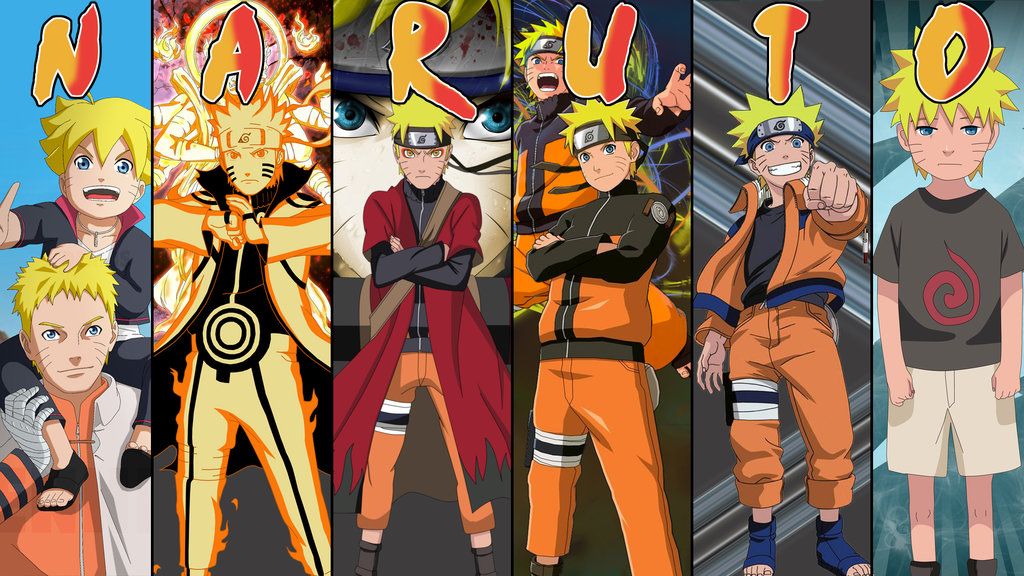
Naruto Uzumaki stands as one of anime’s most iconic protagonists, with a character arc that spans from a lonely orphan to the Seventh Hokage of Konohagakure. This comprehensive analysis explores Naruto’s multifaceted development across the entire Naruto series, examining his growth in maturity, relationships, and philosophy.
Early Childhood: The Lonely Outcast
Identity Formation
Birth and Trauma
- Destiny Imposed: Born as the Nine-Tails jinchuriki during the attack on Konoha
- Parental Loss: Orphaned at birth, never knowing his parents
- Village Rejection: Ostracized by the villagers who feared the Nine-Tails
- Identity Crisis: Struggled to form a sense of self beyond being a vessel
Attention-Seeking Behavior
- Mischievous Acts: Pranks and vandalism as cries for recognition
- Hokage Declaration: His childhood dream as a coping mechanism
- Social Isolation: Few friends, with most classmates avoiding him
- Emotional Armor: His boisterous personality masking deep loneliness
Psychological Defense Mechanisms
Compensation
- Overcompensation: His extreme enthusiasm to counteract feelings of inadequacy
- Persistent Optimism: Refusing to succumb to despair despite circumstances
- Humor as Shield: Using jokes to deflect from painful topics
- Goal-Oriented Behavior: Channeling frustration into achieving his dream
Attachment Issues
- Disorganized Attachment: Inconsistent caregiving leading to fear of abandonment
- Hyperactivation Strategy: Clinging tightly to the few relationships he formed
- Fear of Rejection: Going to great lengths to avoid being left alone
- Desperate Need for Belonging: His willingness to sacrifice for acceptance
Academy Years: The Troubled Student
Academic and Social Struggles
Educational Challenges
- Learning Disabilities: Difficulty with traditional academic subjects
- Chakra Control Issues: Abundant chakra but poor fine control
- Lack of Focus: Easily distracted and impulsive
- Comparison to Peers: Especially painful comparison to Sasuke
Social Development
- First Friendships: Bonds with Shikamaru, Choji, and eventually Sasuke
- Team 7 Formation: His first consistent social group
- Leadership Potential: Early signs of his ability to unite others
- Empathetic Nature: His ability to connect with others’ pain
Formative Experiences
The Bell Test
- First Lesson in Teamwork: Learning to work with Sasuke and Sakura
- Self-Sacrifice: His willingness to put himself at risk for his team
- Kakashi’s Influence: His first positive adult role model
- Team Bonding: The beginning of his relationship with Sasuke and Sakura
Land of Waves Mission
- First Real Mission: Introduction to the dangers of ninja life
- Moral Dilemma: His conflicted feelings about Zabuza and Haku
- Life-or-Death Situation: His first experience with mortal danger
- Compassion Development: His ability to see humanity in enemies
Chunin Exams: The Underdog Competitor
Growth Through Adversity
Written Exam
- Teamwork Lesson: Relying on Sakura’s intelligence
- Moral Integrity: Refusing to cheat despite the temptation
- Perseverance: Choosing to stay despite the risk of failure
- Self-Awareness: Recognizing his limitations and strengths
Forest of Death
- Orochimaru’s Attack: His first encounter with a Sannin
- Nine-Tails Awakening: His first conscious use of the beast’s power
- Sasuke Protection: His willingness to die for his friend
- Survival Instincts: Resourcefulness in extreme danger
Preliminary Matches
- Battle Against Kiba: His first official tournament victory
- Strategic Thinking: Using the environment to his advantage
- Confidence Boost: Growing belief in his abilities
- Village Recognition: Beginning to earn respect from his peers
Emotional Maturity
Sasuke’s Departure
- Feelings of Inadequacy: Believing he wasn’t strong enough to stop Sasuke
- Grief and Determination: Channeling his pain into training
- Decision to Train with Jiraiya: His commitment to growth
- Long-Term Vision: His patience in pursuing his goals
Three-Year Time Skip
- Physical Transformation: Growing from boy to young man
- Power Development: Mastery of Rasengan and improved chakra control
- Worldly Experience: Traveling and completing missions with Jiraiya
- Philosophical Growth: Learning about pain, suffering, and the cycle of hatred
Naruto Shippuden: The Adolescent Hero
Return to Konoha
New Identity
- Physical Maturity: Taller, more muscular, and confident appearance
- Increased Power: Improved control over his abilities
- Emotional Balance: More serious but retaining his optimism
- Goal Clarity: Single-minded focus on bringing Sasuke back
Gaara Rescue Mission
- Empathetic Connection: His understanding of Gaara’s loneliness
- Leadership Skills: Rallying the team and taking charge
- Strategic Planning: Coordinating the rescue operation
- Nine-Tails Control: Better management of the beast’s power
Pain Invasion Arc: The Moral Compass
Konoha’s Destruction
- Grief and Rage: His reaction to the village’s devastation
- Kakashi’s Death: The loss of his mentor
- Pain’s Philosophy: Confrontation with a different worldview
- Moral Conflict: Struggling with the desire for revenge
Redemptive Speech
- Understanding Pain: Recognizing Nagato’s suffering
- Philosophical Argument: His rejection of the cycle of hatred
- Power of Empathy: Changing Pain’s heart through understanding
- Village Acceptance: Finally being recognized as a hero by the villagers
Fourth Great Ninja War: The World Savior
Leadership Role
- Allied Shinobi Forces: His role as the moral and strategic center
- Nine-Tails Unity: Complete cooperation with Kurama
- Inspirational Presence: Boosting morale across the battlefield
- Strategic Decisions: Coordinating the war effort
Final Battles
- Obito’s Redemption: His role in bringing Obito back to the light
- Team 7 Reunion: Fighting alongside Sasuke, Sakura, and Kakashi
- Kaguya’s Defeat: Saving the entire ninja world
- Cycle Broken: Ending the cycle of hatred that plagued the ninja world
Adulthood: The Seventh Hokage
Personal Life
Marriage and Family
- Relationship with Hinata: His journey from childhood crush to loving husband
- Fatherhood: His role as a parent to Boruto and Himawari
- Work-Life Balance: Struggling to balance Hokage duties with family
- Parental Challenges: Learning to connect with his son Boruto
Emotional Stability
- Inner Peace: Finding calm after a turbulent childhood
- Self-Acceptance: Embracing his identity as both Naruto and the Nine-Tails jinchuriki
- Emotional Intelligence: Ability to read and respond to others’ emotions
- Healthy Relationships: Maintaining bonds with friends and family
Leadership Development
Hokage Responsibilities
- Administrative Burdens: The paperwork and bureaucracy of leadership
- Decision-Making: Balancing the needs of the village with individual concerns
- Conflict Resolution: Mediating disputes between villagers and nations
- Crisis Management: Responding to threats against the village
Leadership Style
- Servant Leadership: Putting the village’s needs before his own
- Inclusive Governance: Listening to input from all villagers
- Compassionate Authority: Kind but firm when necessary
- Visionary Leadership: Planning for the village’s long-term future
Core Character Traits: Evolution and Consistency
Perseverance
Early Displays
- Never Giving Up: His catchphrase “dattebayo” as a mantra
- Overcoming Failure: Learning from mistakes rather than quitting
- Stubborn Determination: Refusing to back down from challenges
- Long-Term Commitment: Years of pursuing Sasuke despite setbacks
Mature Expression
- Patient Persistence: Strategic long-term planning rather than impulsive action
- Resilient Recovery: Bouncing back from defeats stronger than before
- Persistent Optimism: Maintaining hope even in dire circumstances
- Leadership Tenacity: Sticking to his principles despite opposition
Compassion
Early Displays
- Empathy for Others: His ability to connect with suffering
- Forgiveness: Willingness to forgive those who wronged him
- Self-Sacrifice: Putting others’ needs before his own
- Protective Instincts: Defending the vulnerable
Mature Expression
- Universal Compassion: Extending understanding even to enemies
- Conflict Resolution: Seeking peaceful solutions before violence
- Emotional Support: Providing comfort to those in pain
- Systemic Compassion: Creating policies that help the less fortunate
Loyalty
Early Displays
- Devotion to Friends: Going to extreme lengths for those he cared about
- Village Loyalty: Despite rejection, his love for Konoha
- Team Commitment: Prioritizing Team 7’s success
- Mentor Respect: His admiration for Kakashi and Jiraiya
Mature Expression
- Responsible Leadership: Putting the village’s needs first
- Faith in Others: Trusting his friends to handle important tasks
- Loyal Opposition: Challenging others when he believes they’re wrong
- Legacy Loyalty: Honoring the sacrifices of previous generations
Philosophical Evolution
Early Beliefs
Simple Morality
- Black-and-White Thinking: Clear distinction between good and evil
- Hero Worship: Idealized view of the Hokage
- Revenge Rejection: His refusal to hate those who wronged him
- Friendship Above All: His belief in the power of bonds
Naive Optimism
- Unquestioning Hope: Believing everything would work out
- Underestimated Obstacles: Not fully grasping the challenges ahead
- Simplistic Solutions: Thinking kindness could solve any problem
- Personal Focus: Primarily concerned with his own circle
Mature Philosophy
Nuanced Morality
- Understanding Complexity: Recognizing shades of gray in moral decisions
- Systemic Critique: Questioning the ninja system’s flaws
- Responsible Action: Balancing idealism with practicality
- Global Perspective: Concern for the entire ninja world
Wise Optimism
- Realistic Hope: Maintaining optimism while acknowledging challenges
- Incremental Change: Understanding progress takes time
- Collective Responsibility: Believing in shared effort rather than individual heroism
- Legacy Mindset: Acting for the benefit of future generations
Relationships: Catalysts for Growth
Sasuke Uchiha
Rivalry and Friendship
- Initial Competition: Pushing each other to improve
- Emotional Bond: Their shared loneliness creating a deep connection
- Sasuke’s Departure: A major catalyst for Naruto’s growth
- Obsessive Pursuit: His years-long quest to bring Sasuke back
- Final Reconciliation: Their ultimate battle and understanding
Impact on Development
- Motivation for Growth: Sasuke’s strength pushing Naruto to improve
- Moral Compass: His refusal to kill Sasuke testing his principles
- Empathetic Understanding: Learning to see Sasuke’s perspective
- Leadership Preparation: His role as Sasuke’s balance preparing him for Hokage
Hinata Hyuga
Early Admiration
- Childhood Crush: His early attraction to Hinata
- Mutual Understanding: Their shared experience of loneliness
- Hinata’s Support: Her quiet belief in him during difficult times
- Battlefield Confession: Her declaration of love during the Pain invasion
Mature Relationship
- Romantic Development: Their growing relationship after the war
- Marriage and Family: Building a life together
- Emotional Support: Hinata’s role as his anchor
- Parenting Partnership: Their teamwork in raising Boruto and Himawari
Impact on Development
- Self-Worth: Hinata’s unconditional love boosting his confidence
- Emotional Vulnerability: Learning to express his feelings openly
- Work-Life Balance: Hinata’s influence helping him prioritize family
- Compassionate Leadership: Her gentle nature softening his approach
Jiraiya
Mentor-Student Relationship
- Initial Resistance: Naruto’s reluctance to train with Jiraiya
- Tough Love: Jiraiya’s balanced approach to teaching
- Life Lessons: Jiraiya’s wisdom beyond just jutsu
- Final Sacrifice: Jiraiya’s death and its impact
Impact on Development
- Power Growth: Mastery of Rasengan and improved chakra control
- Worldly Wisdom: Understanding of the wider ninja world
- Philosophical Foundation: Jiraiya’s belief in the power of bonds
- Leadership Preparation: Learning from Jiraiya’s mistakes and successes
Psychological Analysis: From Insecurity to Self-Actualization
Maslow’s Hierarchy of Needs
Early Deprivation
- Physiological Needs: Basic needs met but emotional needs unfulfilled
- Safety Needs: Constantly feeling threatened and insecure
- Love and Belonging: Severely deprived of meaningful connections
- Esteem Needs: Lacking both self-esteem and respect from others
Progressive Fulfillment
- Love and Belonging: Forming meaningful relationships with Team 7
- Esteem Needs: Gaining respect through his achievements
- Self-Actualization: Becoming Hokage and fulfilling his potential
- Self-Transcendence: Working for the greater good beyond personal gain
Erikson’s Psychosocial Development
Early Stages
- Trust vs. Mistrust: Developing mistrust due to inconsistent care
- Autonomy vs. Shame: Struggling with feelings of shame and inadequacy
- Initiative vs. Guilt: Acting out to compensate for guilt about being a jinchuriki
- Industry vs. Inferiority: Feeling inferior to peers, especially Sasuke
Later Stages
- Identity vs. Role Confusion: Forming a strong sense of self through his ninja journey
- Intimacy vs. Isolation: Developing deep, meaningful relationships
- Generativity vs. Stagnation: Giving back to the village as Hokage
- Ego Integrity vs. Despair: Finding fulfillment in his life’s work
Legacy and Impact
Personal Legacy
Familial Impact
- Boruto’s Development: His influence on his son’s growth
- Himawari’s Upbringing: His role as a loving father
- Hinata’s Happiness: His contribution to his wife’s well-being
- Extended Family: His relationships with the Hyuga clan
Professional Legacy
- Hokage Reign: His policies and leadership style
- Ninja System Reform: Changes he implemented to prevent future conflicts
- Global Peace: His role in maintaining stability between nations
- Next Generation Mentorship: Guiding young ninja like Konohamaru
Cultural Impact
Within Naruto Universe
- Legendary Status: His story becoming a source of inspiration
- Will of Fire: His embodiment of Konoha’s core values
- Cycle of Hatred: His role in breaking centuries of conflict
- Jinchuriki Acceptance: Changing perceptions of tailed beast hosts
Beyond Naruto Universe
- Iconic Protagonist: One of anime’s most beloved characters
- Inspirational Figure: His journey resonating with audiences worldwide
- Thematic Influence: His story exploring universal themes of perseverance and compassion
- Cultural Phenomenon: His impact on global pop culture
Conclusion
Naruto Uzumaki’s character development represents one of the most comprehensive and compelling arcs in anime history. His journey from a lonely, ostracized child to the respected leader of the ninja world is a testament to the power of perseverance, compassion, and the human spirit.
What makes Naruto’s development truly remarkable is its authenticity. He doesn’t transform overnight—his growth is gradual, filled with setbacks, relapses, and moments of doubt. Yet through it all, his core qualities remain consistent, evolving from naive expressions of virtue to mature demonstrations of wisdom.
Naruto’s story teaches us that:
- Trauma does not define us: Despite a difficult childhood, Naruto chooses to be kind rather than bitter
- Growth requires struggle: His hardships become the foundation of his strength
- Connection heals: His relationships are the catalyst for his emotional development
- Leadership is service: His greatest strength as Hokage is his compassion for his people
- Hope prevails: Even in the darkest times, his optimism lights the way
As Seventh Hokage, Naruto stands as the embodiment of the values he fought his entire life to uphold: perseverance, compassion, loyalty, and unwavering hope. His character development is not just a story about a boy becoming a man—it’s a story about the potential for growth and redemption within us all.
Naruto Uzumaki’s journey reminds us that no matter how humble our beginnings or how great our challenges, with determination, kindness, and the support of others, we can achieve greatness and make a positive difference in the world.