Naruto Shippuden Story Arc Analysis
Naruto Shippuden Story Arc Analysis
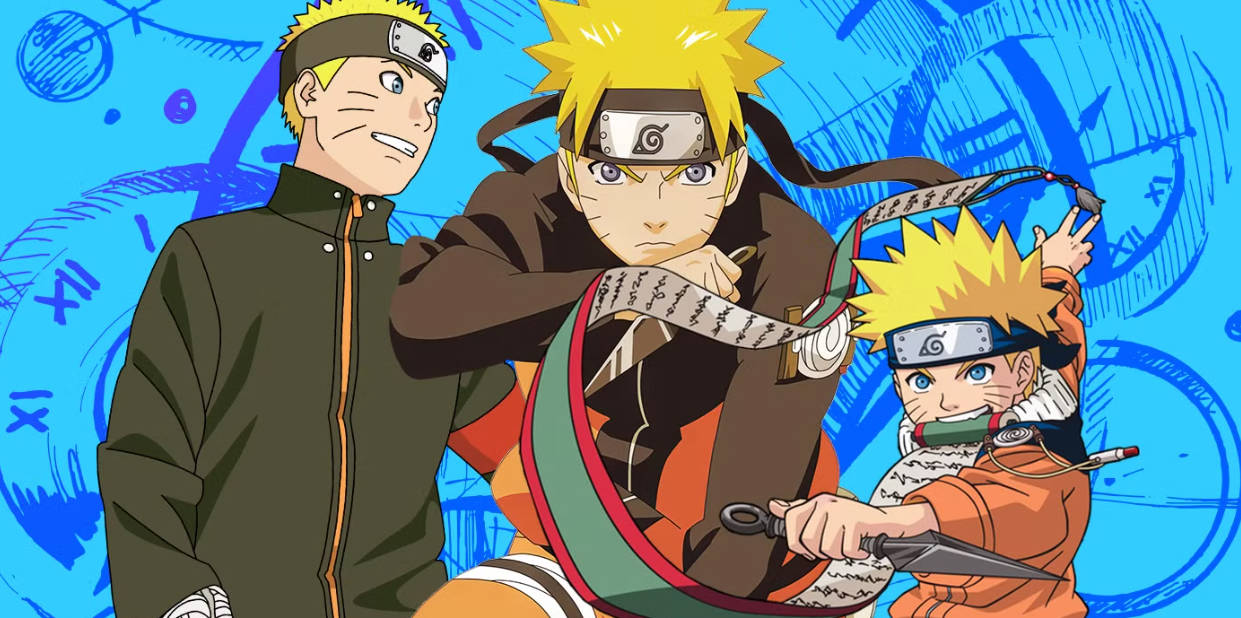
Naruto Shippuden represents the second half of the Naruto anime and manga series, chronicling the adventures of Naruto Uzumaki and his friends as they mature into powerful ninjas. This analysis explores the major story arcs that define Naruto Shippuden, their narrative significance, and how they contribute to the overall thematic structure of the series.
Major Story Arcs Overview
1. Kazekage Rescue Arc
Arc Summary
- Episodes: 1-32
- Main Focus: Naruto’s first major mission after training with Jiraiya
- Key Conflict: Rescuing Gaara from the Akatsuki
- Character Development: Naruto’s growth from impulsive youth to responsible ninja
Narrative Significance
- Introduction to Akatsuki: First major confrontation with the series’ primary antagonists
- Power Scaling: Introduction of more powerful jutsu and abilities
- Thematic Setup: Establishes the threat of tailed beast extraction
- Team 7 Reunion: Naruto, Sakura, and Kakashi work together again
2. Tenchi Bridge Reconnaissance Mission
Arc Summary
- Episodes: 33-53
- Main Focus: Naruto’s encounter with Orochimaru and Sasuke
- Key Conflict: Attempting to bring Sasuke back to Konoha
- Character Development: Naruto’s determination to save his friend
Narrative Significance
- Sasuke’s Transformation: Shows how far Sasuke has fallen into darkness
- New Allies: Introduction of Yamato and Sai
- Emotional Stakes: Heightens the conflict between Naruto and Sasuke
- Orochimaru’s Threat: Builds up to his eventual defeat
3. Akatsuki Suppression Mission
Arc Summary
- Episodes: 72-88
- Main Focus: Jiraiya’s investigation of Pain
- Key Conflict: Jiraiya’s battle against the Six Paths of Pain
- Character Development: Jiraiya’s final moments and legacy
Narrative Significance
- Jiraiya’s Sacrifice: His death marks a turning point in the series
- Pain’s Origin: Reveals the tragic backstory of Nagato
- Prophecy Fulfillment: Jiraiya’s belief in Naruto as the Child of Prophecy
- Emotional Impact: One of the series’ most heartbreaking arcs
4. Pain’s Invasion
Arc Summary
- Episodes: 152-169
- Main Focus: Akatsuki’s attack on Konoha
- Key Conflict: Naruto’s battle against Pain
- Character Development: Naruto’s growth into a true hero
Narrative Significance
- Konoha’s Destruction: Shows the true power of the Akatsuki
- Naruto’s Resolve: His speech about pain and hatred
- Cycle of Hatred: Central theme explored through Nagato’s story
- Villager Acceptance: Naruto finally gains the village’s respect
5. Five Kage Summit
Arc Summary
- Episodes: 197-214
- Main Focus: Ninja world leaders meeting to address Akatsuki threat
- Key Conflict: Sasuke’s attack on the summit
- Character Development: Sasuke’s descent into darkness
Narrative Significance
- Political Intrigue: Shows the complexity of ninja world politics
- Alliance Formation: Five Great Nations unite against common threat
- Sasuke’s Isolation: His actions make him an enemy of the entire ninja world
- Power Escalation: Introduction of Kage-level abilities
6. Fourth Great Ninja War
Arc Summary
- Episodes: 261-479
- Main Focus: Allied Shinobi Forces vs. Akatsuki
- Key Conflict: Battle against Madara Uchiha and the Ten-Tails
- Character Development: All major characters reach their peak
Narrative Significance
- Scale: Largest and most epic battle in the series
- Teamwork Theme: Ninja nations working together for survival
- Redemption Arcs: Multiple characters find redemption
- Destiny vs. Free Will: Central philosophical conflict
7. Kaguya Otsutsuki Strikes
Arc Summary
- Episodes: 480-493
- Main Focus: Final battle against the mother of chakra
- Key Conflict: Saving the ninja world from complete destruction
- Character Development: Naruto and Sasuke’s reconciliation
Narrative Significance
- Mythological Elements: Introduction of Otsutsuki clan lore
- Ultimate Threat: Most powerful enemy in the series
- Team 7 Reunion: Original team fights together one last time
- Resolution: Naruto’s victory fulfills the prophecy
8. Konoha Hiden: The Perfect Day for a Wedding
Arc Summary
- Episodes: 494-500
- Main Focus: Naruto and Hinata’s wedding preparations
- Key Conflict: Gathering gifts for the couple
- Character Development: Closure for many supporting characters
Narrative Significance
- Emotional Resolution: Celebrates the end of the war and beginning of peace
- Character Closure: Shows what happens to various characters after the war
- Thematic Conclusion: Love and friendship triumph over hatred
- Transition: Sets the stage for the next generation
Thematic Analysis
1. Cycle of Hatred
Representation Across Arcs
- Pain’s Invasion: Nagato’s backstory illustrates how pain breeds hatred
- Fourth Great Ninja War: Madara’s plan born from centuries of conflict
- Sasuke’s Arc: His journey from hatred to redemption
Narrative Purpose
- Challenge to Ninja System: Questions the cycle of violence inherent in ninja culture
- Hope Through Understanding: Naruto’s belief in empathy as solution
- Breaking the Cycle: The series’ ultimate message of peace through communication
2. Growth and Maturity
Character Development Patterns
- Naruto: From impulsive child to wise leader
- Sakura: From fangirl to powerful medical ninja
- Sasuke: From avenger to protector
Narrative Progression
- Training Arcs: Periods of growth between conflicts
- Trial by Fire: Characters tested through adversity
- Mentorship: Wisdom passed from generation to generation
- Self-Discovery: Characters finding their true purpose
3. Bonds of Friendship
Key Relationships
- Naruto and Sasuke: Rivalry turned friendship
- Team 7: Found family
- Allied Shinobi Forces: Unity through shared purpose
Narrative Function
- Emotional Core: Bonds drive character motivations
- Source of Strength: Friendship gives characters power beyond jutsu
- Redemption Catalyst: Bonds pull characters back from darkness
- Thesis Statement: Love and connection conquer all
Cinematic Techniques
1. Pacing and Structure
Arc Design
- Rising Action: Each arc builds upon previous conflicts
- Climax Construction: Major battles positioned strategically
- Resolution and Consequence: Arcs end with meaningful aftermath
- Foreshadowing: Early arcs hint at later developments
2. Visual Storytelling
Animation Evolution
- Art Style: More mature and detailed than original Naruto
- Action Choreography: Fluid, dynamic battle sequences
- Emotional Visuals: Symbolism and metaphor through imagery
- World Building: Expansive backgrounds and settings
Character Arcs Within Story Arcs
Naruto Uzumaki
Shippuden Character Journey
- Lost Boy to Hero: From seeking attention to earning respect
- Power Development: Mastery of increasingly powerful techniques
- Leadership Growth: From follower to commander
- Emotional Maturity: From impulsive to thoughtful
Sasuke Uchiha
Shippuden Character Journey
- Avenger to Villain: Descends into darkness
- Truth and Confusion: Confronts reality of his brother’s sacrifice
- Redemption Path: Finds purpose beyond revenge
- Guardian Role: Accepts responsibility to protect
Sakura Haruno
Shippuden Character Journey
- Fangirl to Warrior: Develops from love-struck girl to powerful ninja
- Medical Mastery: Becomes one of the world’s best medical ninjas
- Independence: Learns to stand on her own
- Leadership: Takes charge in critical situations
Legacy and Impact
1. Narrative Innovation
Storytelling Techniques
- Long-Form Storytelling: Successfully maintains coherence across hundreds of episodes
- Interconnected Arcs: Each arc contributes to overarching narrative
- Character-Driven Plot: Story serves character development
- Thematic Consistency: Core themes maintained throughout
2. Cultural Impact
Global Influence
- Expanded Audience: Brought anime to wider international audience
- Thematic Resonance: Universal themes of friendship and perseverance
- Character Recognition: Naruto and friends among most recognizable anime characters
- Genre Evolution: Influenced subsequent shonen anime
3. Narrative Legacy
Influence on Sequels
- Boruto Connections: Direct continuation of Shippuden’s story
- Character Legacies: Next generation inherits themes and conflicts
- World Building Expansion: Continued exploration of Naruto’s world
- Thematic Evolution: New challenges for new generation
Conclusion
Naruto Shippuden’s story arcs represent a masterclass in long-form narrative storytelling, weaving together complex character development, epic battles, and profound thematic exploration. From the Kazekage Rescue Arc to the wedding preparations in Konoha Hiden, each arc serves a specific narrative purpose while contributing to the overarching story of Naruto’s journey from outcast to Hokage.
The series’ greatest strength lies in its ability to balance action-packed sequences with emotional depth, ensuring that even the most epic battles serve character growth and thematic development. By exploring universal themes like the cycle of hatred, the power of friendship, and the journey to maturity, Naruto Shippuden transcends its genre to become a timeless story about the human condition.
As we reflect on the story arcs that define Naruto Shippuden, we see not just a tale of ninja battles and supernatural powers, but a profound meditation on what it means to grow up, face adversity, and create a better world for future generations.