Naruto and Sasuke Final Battle Review
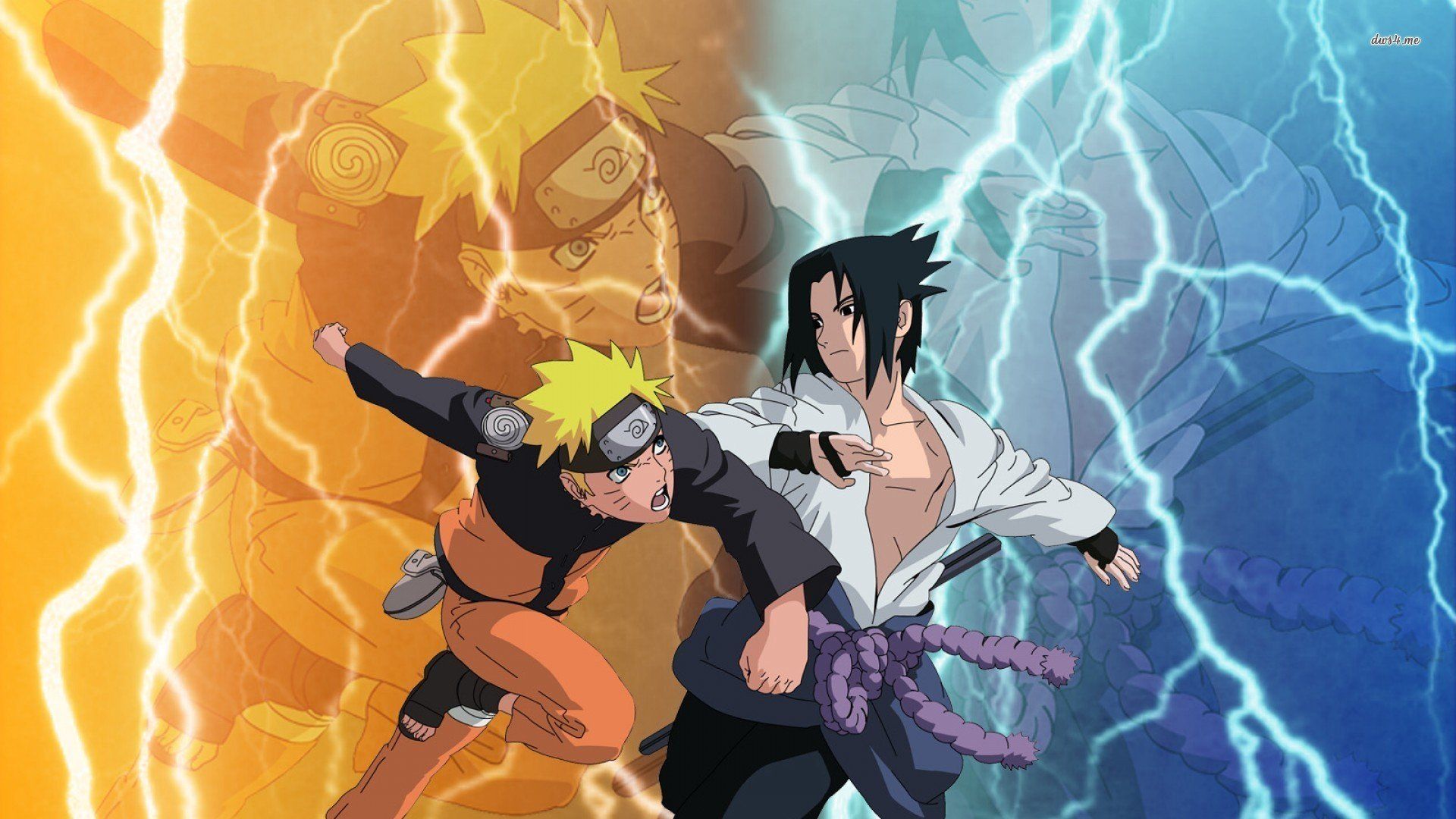
Naruto and Sasuke Final Battle Review
The final battle between Naruto Uzumaki and Sasuke Uchiha at the Valley of the End stands as the climactic conclusion to one of anime’s greatest rivalries. This comprehensive review analyzes every aspect of this epic confrontation, from its narrative buildup to its emotional resolution, exploring why it remains one of the most iconic battles in anime history.
Battle Overview
Basic Information
- Location: Valley of the End, the same site as their first major battle
- Duration: Extended battle spanning multiple phases
- Belligerents: Naruto Uzumaki vs. Sasuke Uchiha
- Forms Used:
- Naruto: Six Paths Sage Mode, Kurama Mode
- Sasuke: Rinnegan, Eternal Mangekyo Sharingan, Susanoo
Narrative Context
Immediate Backstory
- Fourth Great Ninja War Conclusion: Battle takes place shortly after Kaguya’s defeat
- Sasuke’s Declaration: His intent to kill the Five Kage and revolutionize the ninja world
- Naruto’s Opposition: His refusal to let Sasuke destroy the peace they fought for
- Final Confrontation: Both recognize this will be their ultimate battle
Historical Context
- First Valley of the End Battle: Their childhood confrontation
- Years of Rivalry: Their competitive relationship spanning the entire series
- Ideological Differences: Naruto believes in bonds; Sasuke believes in revolution
- Shared History: Their parallel journeys and interconnected fates
Battle Phases Analysis
Phase 1: Initial Engagement
Opening Moves
- Sasuke’s Attack: Initiates battle with Chidori
- Naruto’s Defense: Counters with Rasengan
- Power Display: Both show their enhanced abilities
- Verbal Exchange: Their philosophical debate begins
Key Techniques
- Sasuke’s Susanoo: Full-body Susanoo with Rinnegan abilities
- Naruto’s Kurama Mode: Full manifestation of the Nine-Tails
- Chakra Clashes: Massive energy attacks creating environmental destruction
- Strategic Maneuvering: Both testing each other’s limits
Phase 2: Ideological Clash
Philosophical Debate
- Sasuke’s Vision: Destroy current system to create new order
- Naruto’s Vision: Reform system through understanding and bonds
- Personal History: Their past experiences shaping their views
- Emotional Arguments: Both passionately defending their positions
Power Escalation
- Naruto’s Sage Mode: Combining Six Paths Sage Mode with Kurama Mode
- Sasuke’s Rinnegan Abilities: Using space-time ninjutsu and other Rinnegan powers
- Environmental Manipulation: Battle altering the landscape
- Physical Exertion: Both pushing themselves to the limit
Phase 3: Susanoo vs. Kurama
Titan Battle
- Sasuke’s Perfect Susanoo: Complete armored form
- Naruto’s Kurama Avatar: Full Nine-Tails manifestation
- Giant Clashes: Titanic battle between the two giants
- Elemental Attacks: Massive fire and wind techniques
Strategic Exchange
- Sasuke’s Precision: Using Susanoo’s swordsmanship
- Naruto’s Adaptability: Using Kurama’s tails for multiple attacks
- Defensive Maneuvers: Both protecting themselves from devastating attacks
- Counterattacks: Each responding to the other’s strategies
Phase 4: Final Techniques
Ultimate Moves
- Naruto’s Six Paths Rasenshuriken: His most powerful technique
- Sasuke’s Indra’s Arrow: His ultimate Susanoo technique
- Climax Clash: The final massive collision of their ultimate techniques
- Environmental Catastrophe: Battle creating massive destruction
Physical Exhaustion
- Chakra Depletion: Both nearly out of chakra
- Physical Injury: Severe wounds on both combatants
- Emotional Drain: The toll of their prolonged conflict
- Determination Test: Both refusing to give up despite exhaustion
Phase 5: Hand-to-Hand Conclusion
Final Confrontation
- Depleted Chakra: Forced to fight with taijutsu
- Hand-to-Hand Combat: Raw physical struggle
- Emotional Peak: Their most intense verbal exchange
- Mutual Stabbing: Both impaling each other with kunai
- Resolution: Their simultaneous defeat and reconciliation
Symbolism and Imagery
Valley of the End Significance
Geographic Symbolism
- Statue Backdrop: Hashirama and Madara statues witnessing their battle
- Water Reflection: Symbolic mirror of their first battle
- Valley Transformation: Battle altering the landscape as their relationship evolves
- Sunset Setting: Symbolic end of an era
Historical Parallels
- Hashirama vs. Madara: Their battle mirroring the founding fathers'
- Cycle of Hatred: Breaking the pattern of conflict
- New Generation: Surpassing the previous generation’s mistakes
- Legacy Continuation: Their battle determining the future of ninja world
Visual Symbolism
Chakra Colors
- Naruto’s Blue Chakra: Representing Kurama and his positive energy
- Sasuke’s Purple Chakra: Representing his Sharingan and Rinnegan
- Clashing Colors: Visual representation of their conflicting ideologies
- Energy Blends: Moments where their chakra momentarily synchronizes
Combat Stances
- Naruto’s Open Stance: Symbolizing his openness to understanding
- Sasuke’s Closed Stance: Symbolizing his emotional barriers
- Mirror Movements: Their parallel fighting styles
- Mutual Wounds: Their shared pain and suffering
Character Development Culmination
Naruto Uzumaki
Battle Revelation
- Leadership Evolution: His growth from impulsive child to wise leader
- Emotional Maturity: His ability to understand Sasuke’s pain
- Philosophical Conviction: His unwavering belief in bonds
- Self-Sacrifice: His willingness to die for Sasuke’s redemption
Key Moments
- Refusal to Kill: His commitment to saving Sasuke rather than defeating him
- Emotional Appeal: His heartfelt speech about their bond
- Physical Endurance: His perseverance despite exhaustion
- Final Understanding: His acceptance of Sasuke’s need for this battle
Sasuke Uchiha
Battle Revelation
- Emotional Vulnerability: His hidden pain finally exposed
- Ideological Doubt: His growing uncertainty about his revolution
- Bond Recognition: His subconscious desire for Naruto’s approval
- Redemption Catalyst: The battle as his path to healing
Key Moments
- Facial Expressions: His emotional journey revealed through his face
- Verbal Confessions: His admission of pain and loneliness
- Fighting Style Shift: From cold precision to passionate intensity
- Final Surrender: His acceptance of Naruto’s way
Ideological Conflict Analysis
Sasuke’s Philosophy
Revolutionary Vision
- Systemic Critique: The ninja system as inherently flawed
- Leadership Elimination: Removing corrupt leaders to create change
- Fear-Based Peace: Maintaining order through strength and fear
- Solo Mission: Believing he must bear the world’s hatred alone
Emotional Foundation
- Traumatic Past: His clan’s massacre shaping his worldview
- Itachi’s Influence: His brother’s sacrifice and philosophy
- Isolation Trauma: His loneliness reinforcing his belief in solitude
- Survivor’s Guilt: His responsibility as last Uchiha
Naruto’s Philosophy
Reformer Vision
- Gradual Change: Improving the system from within
- Collective Responsibility: Shared burden of creating peace
- Understanding-Based Peace: Resolving conflicts through empathy
- Bonds as Strength: Connections between people as foundation for peace
Emotional Foundation
- Orphan Experience: His loneliness driving him to connect with others
- Jiraiya’s Teachings: The importance of believing in people
- Konoha’s Love: The village’s acceptance transforming his worldview
- Friendship Experience: His bonds with Sasuke and others proving his philosophy
Resolution Analysis
Mutual Understanding
- Sasuke’s Realization: His revolution would only create more pain
- Naruto’s Validation: His philosophy proven through actions
- Shared Pain: Both recognizing their suffering and growth
- Complementary Ideologies: Their views combining to create balanced approach
New Path Forward
- Sasuke’s Redemption: His decision to protect the village from shadows
- Naruto’s Leadership: His path to becoming Hokage
- Balance of Power: Both fulfilling different roles in maintaining peace
- Cycle Broken: Their friendship overcoming centuries of hatred
Technical and Cinematic Analysis
Animation Quality
Visual Spectacle
- Chakra Effects: Dynamic, colorful displays of energy
- Environmental Destruction: Battle altering the landscape
- Character Movements: Fluid, realistic combat choreography
- Susanoo and Kurama Design: Detailed, imposing designs
Emotional Animation
- Facial Expressions: Nuanced emotions conveyed through subtle animations
- Body Language: Character emotions expressed through posture and movement
- Eye Animation: Sharingan and Rinnegan movements conveying intensity
- Physical Strain: Animation showing their exhaustion and determination
Musical Score
Battle Themes
- Intense Orchestration: Epic music matching the scale of the battle
- Character Motifs: Naruto and Sasuke’s themes woven into the score
- Emotional Cues: Music shifting with their philosophical debate
- Crescendos: Building to the ultimate clash
Silence and Sound
- Strategic Silence: Moments of quiet emphasizing emotional impact
- Environmental Sounds: Battle sounds creating immersion
- Verbal Exchange: Clear dialogue during their philosophical debate
- Breathing and Grunts: Sounds of physical exertion enhancing realism
Pacing and Structure
Battle Flow
- Rising Action: Battle intensity gradually increasing
- Emotional Peaks: Strategic placement of emotional moments
- Technique Showcases: Each phase highlighting different abilities
- Climax Timing: Ultimate techniques delivered at perfect narrative moment
Narrative Balance
- Action vs. Dialogue: Perfect balance of combat and philosophical discussion
- Past vs. Present: Flashbacks to their history interwoven with battle
- Physical vs. Emotional: Both physical combat and emotional conflict given equal weight
- Resolution Pacing: Battle concluding at natural emotional and physical endpoint
Impact and Legacy
Series Significance
Narrative Conclusion
- Rivalry Resolution: Their centuries-long rivalry finally resolved
- Character Arcs Culmination: Both reaching their final character development
- Thematic Resolution: Series’ core themes of bonds and redemption realized
- Epilogue Setup: Their future roles established
Emotional Payoff
- Long-Awaited Confrontation: Fans’ expectations fulfilled
- Satisfying Conclusion: Battle providing closure to their relationship
- Tearful Moments: Emotional scenes resonating with viewers
- Hopeful Ending: Their friendship triumphing over conflict
Cultural Impact
Fan Reception
- Critical Acclaim: Widely regarded as one of anime’s greatest battles
- Emotional Response: Fans moved by the battle’s emotional depth
- Technical Admiration: Praise for animation quality and choreography
- Philosophical Discussion: Debate about their ideologies continuing among fans
Influential Elements
- Battle Choreography: Setting new standard for anime fight scenes
- Ideological Conflict: Demonstrating that battles can have philosophical depth
- Emotional Storytelling: Proving action can be emotionally resonant
- Character Resolution: Blueprint for satisfying rivalry conclusions
Symbolic Importance
Rivalry Representation
- Healthy Competition: Their rivalry pushing both to improve
- Balanced Conflict: Neither portrayed as purely right or wrong
- Emotional Depth: Rivalry rooted in genuine care for each other
- Growth Catalyst: Their competition driving character development
Friendship Symbolism
- Unbreakable Bond: Their connection surviving decades of conflict
- Mutual Growth: Both improving through their relationship
- Sacrificial Love: Each willing to die for the other
- Redemption Through Connection: Sasuke’s redemption through Naruto’s friendship
Aftermath Analysis
Physical Consequences
Injuries
- Naruto’s Loss: Loses his right arm (replaced with Hashirama cell prosthetic)
- Sasuke’s Loss: Loses his left arm (initially refuses replacement)
- Chakra Depletion: Both completely exhausted
- Recovery Period: Extended healing time required
Symbolic Amputation
- Shared Wounds: Both losing arms as symbol of their shared pain
- Physical Reminder: Their injuries as reminder of their conflict
- Equal Sacrifice: Both paying equal price for their rivalry
- New Beginnings: Their missing arms symbolizing letting go of the past
Emotional Resolution
Sasuke’s Redemption
- Acceptance of Naruto’s Way: His decision to trust in bonds
- Guilt and Atonement: His recognition of past mistakes
- New Purpose: Choosing to protect the village from the shadows
- Emotional Healing: His journey toward inner peace
Naruto’s Victory
- Philosophical Validation: His belief in bonds proven correct
- Friendship Preserved: Sasuke’s life and friendship saved
- Peace Secured: The ninja world’s peace maintained
- Hokage Path: His victory solidifying his path to leadership
Future Implications
Immediate Aftermath
- Sasuke’s Exile: His self-imposed journey of atonement
- Naruto’s Ascension: His path to becoming Hokage
- Village Recovery: Konoha rebuilding after recent conflicts
- New Era: Beginning of the peaceful era they fought for
Long-Term Impact
- Naruto’s Leadership: His philosophy shaping his Hokage reign
- Sasuke’s Influence: His shadow work protecting the village
- Next Generation: Their legacy influencing Boruto and future ninja
- Peace Maintenance: Their efforts ensuring lasting peace
Conclusion
The final battle between Naruto and Sasuke at the Valley of the End represents the perfect culmination of their rivalry, friendship, and character arcs. More than just an epic display of power, it is a deeply emotional and philosophical confrontation that resolves the series’ core themes and conflicts.
What makes this battle truly exceptional is its balance of spectacular action and profound emotional depth. Every technique exchanged, every word spoken, and every wound inflicted serves a narrative purpose, advancing their character development and resolving their ideological differences.
Naruto’s victory through empathy rather than overwhelming force embodies the series’ central message that true strength comes from the bonds we forge with others. Sasuke’s redemption through Naruto’s unwavering friendship demonstrates the transformative power of love and understanding.
As the ultimate conclusion to one of anime’s greatest rivalries, this battle will continue to be remembered not just for its technical brilliance, but for its emotional resonance and philosophical depth. It stands as a testament to the power of storytelling to create moments that are both visually spectacular and emotionally profound.
In the end, Naruto and Sasuke’s final battle is not just a clash of titans, but a celebration of the bonds that connect us all—a fitting conclusion to a series that has touched the hearts of millions around the world.