Naruto's Growth From Academy to Hokage
Naruto’s Growth From Academy to Hokage
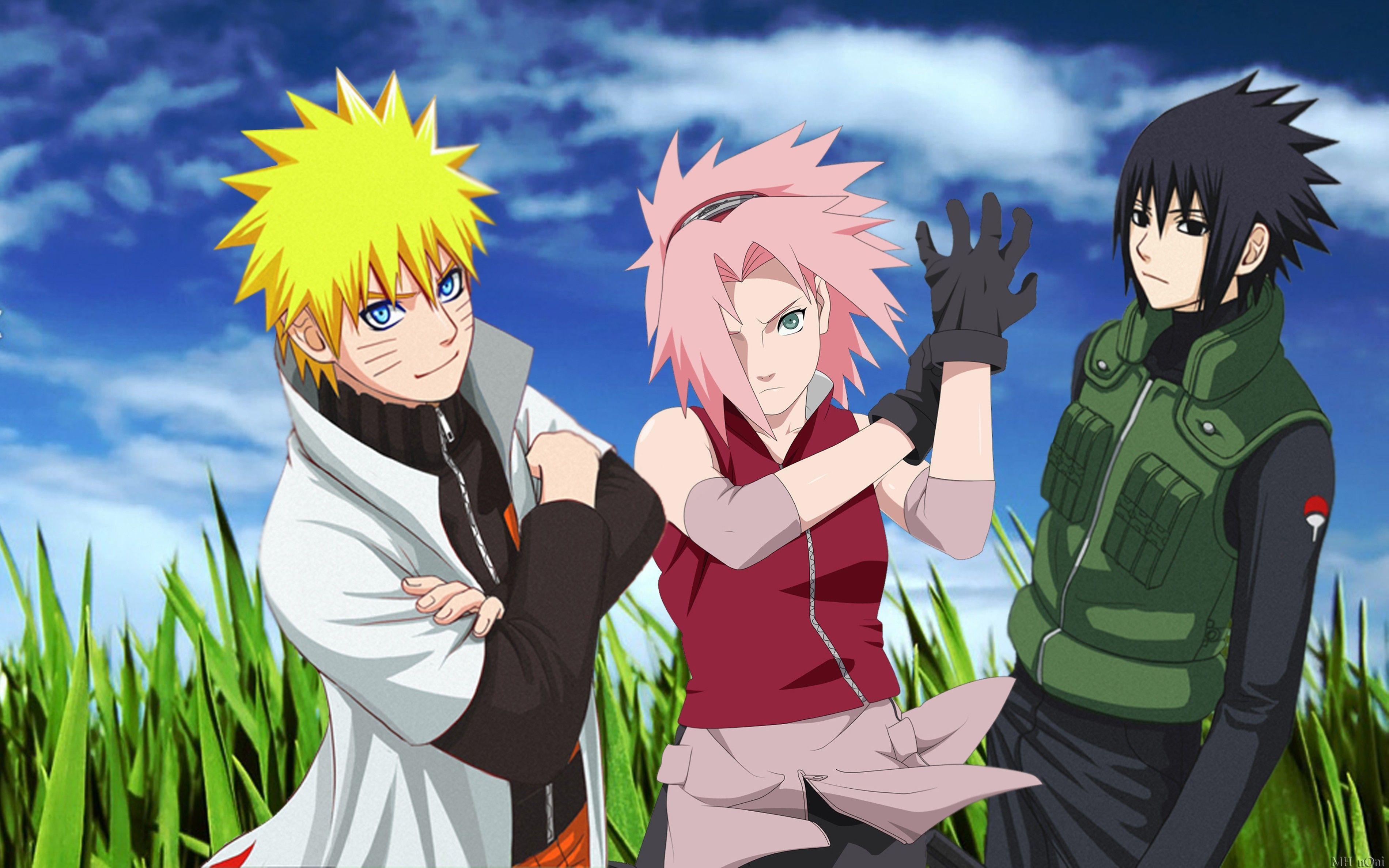
Naruto Uzumaki’s journey from a mischievous academy student to the Seventh Hokage of Konohagakure represents one of the most compelling character arcs in anime history. This comprehensive analysis traces Naruto’s growth across multiple dimensions—physical, emotional, and philosophical—exploring how he transforms from an outcast child into the leader of the ninja world.
Part 1: The Academy Years
Childhood and Early Identity
The Lonely Orphan
- Birth and Loss: Born during the Nine-Tails attack, losing his parents at birth
- Village Rejection: Ostracized by the villagers for being the Nine-Tails jinchuriki
- Attention-Seeking Behavior: His pranks and mischief as cries for recognition
- Hokage Dream: His childhood declaration to become Hokage to earn respect
Academy Struggles
- Academic Difficulties: Poor performance in traditional subjects
- Social Isolation: Few friends, with most classmates avoiding him
- Physical Energy: Abundant chakra but poor control
- Determination: His refusal to give up despite constant failure
- First Bond: His early friendship with Shikamaru and Choji
Formative Experiences
The Bell Test
- Team 7 Formation: His first meeting with Sasuke, Sakura, and Kakashi
- Initial Failure: His inability to work as part of a team
- Lesson Learned: The importance of teamwork and self-sacrifice
- Kakashi’s Teaching: His first real ninja lesson
- Team Bonding: The beginning of his relationship with Sasuke and Sakura
Land of Waves Mission
- First Real Mission: His introduction to the dangers of ninja life
- Zabuza and Haku: His first encounter with deadly opponents
- Life-or-Death Situation: His first experience with real danger
- Emotional Growth: His compassion for Haku despite being enemies
- Team Unity: Working with Sasuke and Sakura to complete the mission
Part 2: The Chunin Exams and Beyond
Chunin Exams Arc
Written Exam
- Sakura’s Help: His reliance on his teammate’s intelligence
- Moral Dilemma: The final question’s psychological test
- Choice to Stay: His decision to risk failure rather than quit
- First Lesson in Teamwork: Recognizing he can’t do everything alone
Forest of Death
- Orochimaru’s Attack: His first encounter with a Sannin
- Nine-Tails Awakening: His first use of the Nine-Tails’ chakra
- Sasuke’s Protection: His willingness to risk his life for his friend
- Survival Instincts: His resourcefulness in the face of danger
- Growing Resolve: His determination to become stronger
Preliminary Matches
- Battle Against Kiba: His first official tournament match
- Underdog Victory: Defeating a more experienced opponent
- Strategic Thinking: Using his environment to gain advantage
- Confidence Boost: His growing belief in his abilities
- Recognition: The village beginning to notice his potential
Sasuke’s Departure
Emotional Crisis
- Sasuke’s Choice: His friend leaving to join Orochimaru
- Feelings of Inadequacy: His belief that he wasn’t strong enough to stop Sasuke
- Grief and Determination: His resolve to become strong enough to bring Sasuke back
- Jiraiya’s Mentorship: His decision to train with the Toad Sage
- Growth Motivation: Sasuke’s departure as a catalyst for his development
Three-Year Time Skip
- Training with Jiraiya: His growth in both power and maturity
- Rasengan Mastery: Learning one of his signature techniques
- Worldly Experience: Traveling and completing missions with Jiraiya
- Philosophical Development: Learning about pain, suffering, and the cycle of hatred
- Physical Transformation: His growth from boy to young man
Part 3: Naruto Shippuden - Adolescence
Return to Konoha
New Identity
- Physical Maturity: His taller, more muscular appearance
- Increased Power: His improved control over chakra and techniques
- Emotional Maturity: His more serious demeanor while retaining his optimism
- Goal Clarity: His single-minded focus on bringing Sasuke back
- Team Reunion: His return to Team 7 and reunion with Sakura and Kakashi
First Major Mission
- Gaara’s Rescue: His first mission upon returning to Konoha
- Akatsuki Encounter: His first confrontation with the organization
- Leadership Glimpses: His ability to rally others and take charge
- Nine-Tails Control: His improved ability to harness the Nine-Tails’ power
- Strategic Thinking: His growing tactical awareness
Pain Invasion Arc
Konoha’s Destruction
- Return to Ruin: His arrival to find his village destroyed
- Pain’s Philosophy: His encounter with Nagato’s ideology
- Emotional Despair: His grief at the loss of his home and friends
Naruto’s Speech
- Understanding Pain: His realization of Nagato’s suffering
- Philosophical Argument: His speech about breaking the cycle of hatred
- Pain’s Redemption: His ability to change Nagato’s heart
- Village Acceptance: The villagers finally recognizing him as a hero
Fourth Great Ninja War
Leadership Role
- Allied Shinobi Forces: His role as the moral and strategic center
- Nine-Tails Chakra Mode: His control over Kurama’s power
- Inspirational Presence: His ability to boost morale across the battlefield
- Strategic Decisions: His role in coordinating the war effort
Final Battles
- Obito and Madara: His confrontations with the series’ main antagonists
- Team 7 Reunion: Fighting alongside Sasuke, Sakura, and Kakashi
- Kaguya’s Defeat: His role in sealing the mother of chakra
- World Savior: His transformation into the ninja world’s savior
Part 4: The Road to Hokage
Post-War Reconstruction
Peace Efforts
- Diplomatic Missions: His role in fostering relationships between villages
- Reconciliation: His work to heal the wounds of the war
- Sasuke’s Redemption: His role in bringing Sasuke back to the village
- New Policies: His implementation of reforms to prevent future conflicts
Personal Life
- Relationship with Hinata: His growing romantic connection
- Marriage and Family: His decision to settle down
- Fatherhood: His role as a parent to Boruto and Himawari
- Work-Life Balance: His struggle to balance family and duties
Ascension to Hokage
Leadership Qualities
- Compassionate Leadership: His kind and understanding approach
- Decisive Action: His ability to make tough decisions when needed
- Inclusive Governance: His willingness to listen to all villagers
- Wisdom: His ability to learn from past mistakes
- Legacy of the Sixth Hokage: His继承 of Kakashi’s leadership style
Challenges as Hokage
- Administrative Burden: The paperwork and bureaucracy of leadership
- Balancing Priorities: His struggle to balance village needs with personal life
- Emerging Threats: New challenges in the post-war era
- Public Expectations: Living up to the legacy of previous Hokage
- Mentorship: Guiding the next generation of ninja
Dimensions of Growth
Physical Growth
Chakra Control
- From Uncontrolled Chaos: His wild, unrefined chakra as a child
- Gradual Mastery: His improving control through training
- Elemental Affinity: His discovery of wind release as his primary element
- Advanced Techniques: His mastery of Rasengan variants and other jutsu
- Sage Mode: His ability to harness natural energy
- Six Paths Powers: His god-like abilities during the Fourth Great Ninja War
Combat Prowess
- Taijutsu: From clumsy brawler to skilled hand-to-hand combatant
- Ninjutsu: From basic techniques to powerful signature moves
- Genjutsu Resistance: His ability to overcome illusion techniques
- Strategic Fighting: From relying on brute force to tactical combat
- Adaptability: His ability to adjust to any opponent or situation
Emotional Growth
Self-Esteem
- From Insecurity: His constant need for validation as a child
- To Self-Confidence: His belief in his abilities as an adult
- Self-Acceptance: His acceptance of being the Nine-Tails jinchuriki
- Inner Peace: His ability to find calm despite his turbulent past
Empathy and Compassion
- From Self-Centered: His early focus on his own needs
- To Others-Focused: His ability to understand and care for others
- Pain’s Redemption: His compassion for Nagato despite their differences
- Sasuke’s Forgiveness: His ability to forgive his friend’s past actions
- Universal Love: His desire to protect all people, even enemies
Relationships
- From Isolation: His lonely childhood
- To Deep Connections: His numerous meaningful relationships
- Romantic Maturity: His growth from his crush on Sakura to his loving relationship with Hinata
- Parental Love: His transformation into a caring father
- Leadership Bonds: His relationships with other village leaders
Philosophical Growth
Moral Development
- Simple Black-and-White: His early view of good and evil
- Complex Moral Landscape: His understanding of moral gray areas
- Greater Good: His willingness to make difficult choices for the village
- Cycle of Hatred: His understanding of systemic violence
- Non-Violent Solutions: His preference for talking over fighting
Leadership Philosophy
- From Follower: His early role as a team member
- To Leader: His ability to command and inspire
- Servant Leadership: His focus on serving the village rather than power
- Collaborative Decision-Making: His willingness to listen to others
- Vision for Peace: His long-term goals for the ninja world
Worldview Evolution
- Village-Centered: His early focus on Konoha
- Global Perspective: His understanding of the interconnectedness of all nations
- Intergenerational Thinking: His focus on creating a better world for future generations
- Hope vs. Despair: His unwavering belief in a better future
- Legacy Mindset: His focus on leaving a positive legacy
Key Turning Points
1. The Valley of the End Battle (First)
- Confrontation with Sasuke: His first major battle with his rival
- Emotional Vulnerability: His tears and confession of loneliness
- Physical Limit: His use of the Nine-Tails’ power to its fullest
- Temporary Defeat: His loss to Sasuke but moral victory
- Determination Renewed: His resolve to become stronger to bring Sasuke back
2. Jiraiya’s Death
- Mentor’s Loss: The death of his beloved teacher
- Guilt and Responsibility: His feeling that he could have prevented it
- Prophecy’s Weight: His recognition of his role as the Child of Prophecy
- Emotional Maturity: His ability to process grief and channel it into strength
- Philosophical Shift: His deeper understanding of pain and suffering
3. Pain’s Invasion
- Konoha’s Destruction: His home village reduced to rubble
- Kakashi’s Death: The loss of his former teacher
- Pain’s Philosophy: His confrontation with a different worldview
- Redemptive Speech: His ability to change Pain’s heart through words
- Village Acceptance: The villagers finally seeing him as a hero
4. The Fourth Great Ninja War
- Leadership Test: His role as the moral center of the Allied Forces
- Team 7 Reunion: Fighting alongside Sasuke, Sakura, and Kakashi
- Kaguya’s Defeat: His role in saving the entire world
- Cycle Broken: The end of the cycle of hatred
- New Era: The beginning of a peaceful period
5. Becoming Hokage
- Dreams Realized: Fulfilling his lifelong ambition
- Responsibility Accepted: Taking on the burdens of leadership
- Legacy Honored: Carrying on the Will of Fire
- Family Balance: His role as both Hokage and father
- Wisdom Achieved: His growth into a wise and respected leader
Comparative Analysis
Naruto vs. Previous Hokage
Leadership Style
- Hashirama: Peaceful but naive vs. Naruto: Peaceful but realistic
- Tobirama: Ruthless pragmatism vs. Naruto: Compassionate pragmatism
- Hiruzen: Balanced but indecisive vs. Naruto: Balanced but decisive
- Minato: Heroic but distant vs. Naruto: Heroic but approachable
- Tsunade: Emotional but effective vs. Naruto: Emotional but consistent
- Kakashi: Strategic but self-doubting vs. Naruto: Strategic but confident
Legacy
- Military Prowess: Previous Hokage focused on strength vs. Naruto: Focus on understanding
- Village Isolation: Previous Hokage focused on Konoha vs. Naruto: Focus on global unity
- Traditional Values: Previous Hokage upheld tradition vs. Naruto: Adapted tradition for modern times
- Personal Sacrifice: Previous Hokage sacrificed personal life vs. Naruto: Attempted to balance both
Naruto’s Impact on Others
Direct Influence
- Sasuke’s Redemption: His role in bringing his friend back from darkness
- Gaara’s Transformation: His early impact on the future Kazekage
- Konoha’s Unity: His ability to bring the village together
- Ninja World Peace: His role in ending the cycle of hatred
Inspirational Legacy
- Next Generation: His impact on Boruto and other young ninja
- Philosophical Shift: His message of understanding spreading throughout the ninja world
- Leadership Example: His style of leadership influencing future leaders
- Cultural Change: His impact on ninja culture and values
Psychological Analysis
Attachment Theory
Early Attachment Issues
- Disorganized Attachment: His inconsistent caregiving as a child
- Attention-Seeking Behavior: His attempts to form connections through negative behavior
- Fear of Abandonment: His deep-seated fear of being alone
- Hyperactivation Strategy: His intense efforts to maintain relationships
Secure Attachment Formation
- Jiraiya’s Mentorship: His first secure parental figure
- Team 7 Bonds: His first consistent peer relationships
- Hinata’s Love: His first romantic attachment
- Secure Base: His ability to form healthy relationships as an adult
Identity Development
Identity Formation
- Identity Diffusion: His lack of clear identity as a child
- Identity Foreclosure: His early adoption of the Hokage dream without exploration
- Identity Moratorium: His period of exploration during his travels with Jiraiya
- Identity Achievement: His secure sense of self as Hokage and family man
Self-Efficacy
- Low Self-Efficacy: His early belief in his inability to succeed
- Mastery Experiences: His gradual accumulation of successes
- Vicarious Learning: Learning from Jiraiya and other mentors
- Verbal Persuasion: Encouragement from others boosting his confidence
- Emotional States: His ability to manage anxiety and channel it into motivation
Conclusion
Naruto Uzumaki’s growth from academy student to Hokage represents a masterclass in character development. His journey is not merely one of physical power growth, but a comprehensive transformation across multiple dimensions:
-
From Isolation to Connection: He evolves from a lonely outcast to a leader who unites the entire ninja world.
-
From Impulsivity to Wisdom: He matures from a hot-headed child to a thoughtful leader who considers all perspectives.
-
From Selfishness to Selflessness: He shifts from seeking personal glory to working for the greater good.
-
From Hatred to Understanding: He transforms from a child filled with resentment to a man who preaches compassion for one’s enemies.
-
From Dreamer to Doer: He progresses from simply dreaming of being Hokage to actually fulfilling that role with responsibility and grace.
What makes Naruto’s growth truly remarkable is its authenticity. His journey is not linear—he experiences setbacks, relapses, and moments of doubt throughout. Yet through it all, his core qualities of perseverance, compassion, and unwavering hope remain constant, evolving from naive ideals into mature principles.
As Hokage, Naruto embodies the lessons he learned throughout his journey. He leads with kindness but remains decisive when needed, values teamwork above individual glory, and never loses sight of the human cost of his decisions.
Naruto’s growth story resonates because it reflects universal human experiences: the desire for acceptance, the struggle to find one’s place, the pain of loss, and the triumph of hope over despair. His journey reminds us that no matter how humble our beginnings or how great our challenges, with determination, compassion, and the support of others, we can achieve greatness.
From that mischievous academy student declaring “I’m going to be Hokage!” to the wise leader standing atop the Hokage Rock, Naruto Uzumaki’s growth represents the very best of what storytelling can achieve—a character who grows, changes, and inspires us all to become better versions of ourselves.