Madara Uchiha Motivations and Goals Analysis
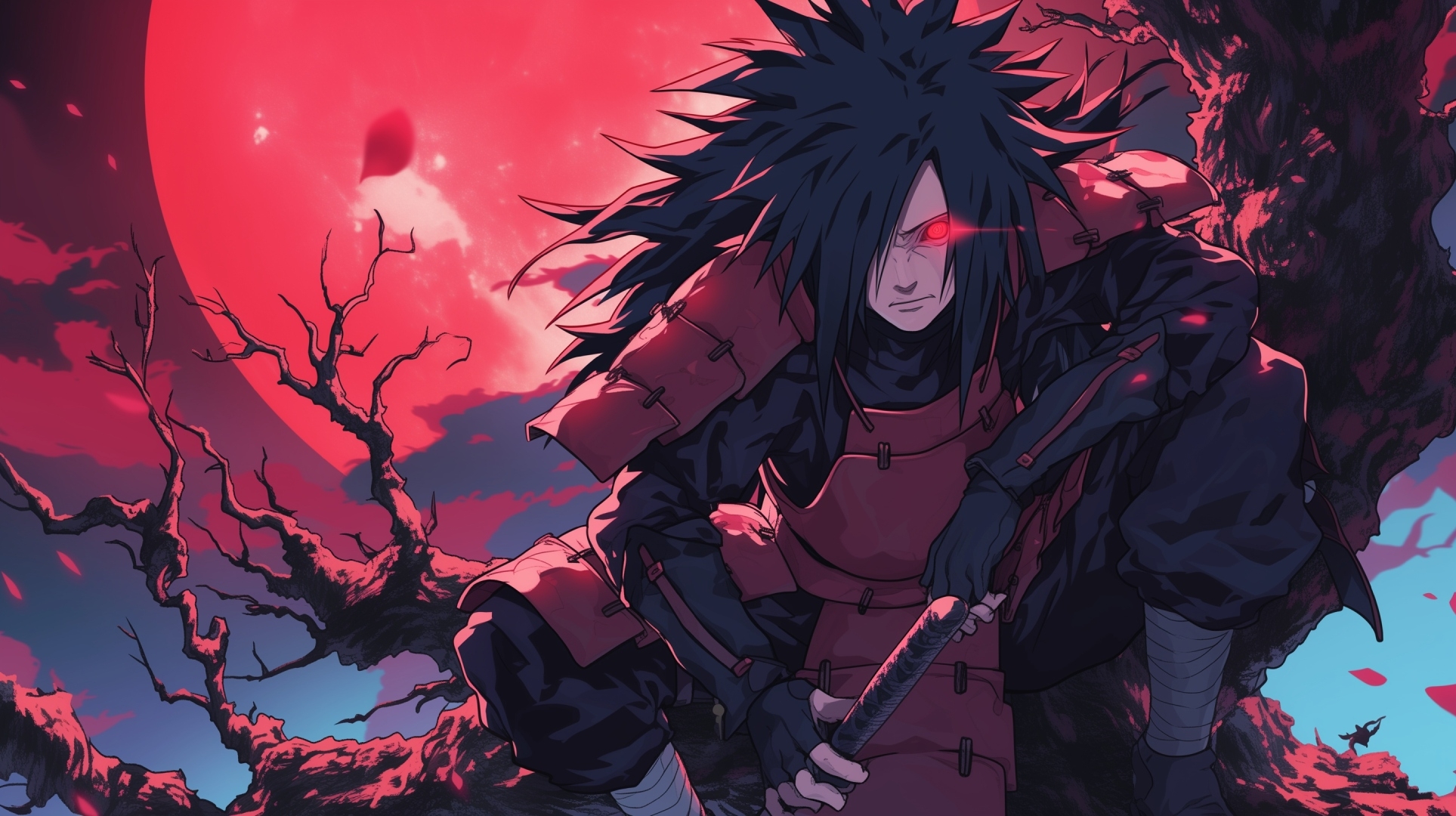
Madara Uchiha Motivations and Goals Analysis
Madara Uchiha stands as one of the most complex and compelling antagonists in the Naruto universe. As a founding father of Konohagakure who later became its greatest enemy, his motivations and goals are deeply rooted in a lifetime of conflict and disillusionment. This comprehensive analysis explores the psychological, philosophical, and historical factors that shaped Madara’s journey from idealistic founder to world-threatening villain.
Early Life: The Warrior Philosopher
Uchiha Clan Background
Birth and Upbringing
- Clan Status: Born into the Uchiha clan during the Warring States Period
- Natural Leadership: Displayed leadership qualities from a young age
- Warrior Training: Raised in a constant state of conflict
- Strategic Mind: Developed his tactical brilliance through real-world experience
Brotherly Bond
- Izuna’s Relationship: His close bond with his younger brother
- Mutual Growth: Their competitive relationship pushing both to improve
- Shared Trauma: Experiencing the loss of numerous siblings to war
- Clan Responsibility: Their shared burden as Uchiha heirs
The Cycle of Hatred
Warring States Era
- Constant Conflict: The endless cycle of battle between clans
- Loss and Grief: The death of loved ones becoming routine
- Moral Erosion: The gradual hardening of his heart
- Philosophical Awakening: His growing belief that the cycle must be broken
The Senju Rivalry
- Hashirama’s Emergence: The rise of his greatest rival and friend
- Clan Feud: The deep-seated hatred between the Uchiha and Senju
- Battle After Battle: Their legendary clashes
- Mutual Respect: The grudging admiration beneath their rivalry
Founding of Konohagakure: Hope and Disillusionment
The Peace Treaty
Truce with Hashirama
- Tired of War: Both leaders’ exhaustion with the cycle of violence
- Shared Vision: Their dream of a village where children wouldn’t have to fight
- Clan Unification: The Uchiha and Senju putting aside their differences
- Konohagakure Founded: The Village Hidden in the Leaves established
Early Leadership
- Co-Leadership: Madara and Hashirama sharing power
- Uchiha Integration: The Uchiha’s role in the new village
- Military Development: Madara’s focus on the village’s defense
- Vision for the Future: His hopes for the next generation
Growing Disillusionment
Political Marginalization
- Hashirama’s Popularity: The Senju leader’s greater popularity with the villagers
- Uchiha Exclusion: The gradual sidelining of the Uchiha in village politics
- Military Restructuring: The Uchiha’s role reduced to the police force
- Senju Dominance: The perception that the Senju were favored
The Valley of the End
- Final Confrontation: His decision to challenge Hashirama one last time
- Philosophical Differences: Their opposing views on how to achieve peace
- Defeat and Exile: His loss to Hashirama and subsequent departure from Konoha
- Broken Dreams: His vision of Konoha shattered
The Eye of the Moon Plan: A New Vision
Formulation of the Plan
Isolation and Reflection
- Self-Exile: His life in isolation after leaving Konoha
- Historical Research: Studying the origins of chakra and the ninja world
- Indra’s Legacy: His connection to the Sage of Six Paths’ elder son
- Zetsu’s Manipulation: Being influenced by Black Zetsu’s false history
The Plan’s Genesis
- Infinite Tsukuyomi: The central technique of the plan
- Tailed Beasts: The need to collect all nine tailed beasts
- Divine Tree: The purpose of the God Tree and chakra fruit
- Dream World: The promised peace of a perfect illusion
Philosophical Justification
The Imperfection of Reality
- Human Nature: His belief that humans are inherently flawed
- Cycle of Hatred: The inevitability of conflict in the real world
- Pain and Suffering: The universal experience of suffering
- Hope as Illusion: His rejection of the possibility of real peace
The Virtue of Illusion
- Perfect Harmony: The promised unity of the Infinite Tsukuyomi
- Individual Happiness: Everyone getting what they desire in the dream
- End of Conflict: The permanent cessation of war
- Divine Intervention: His belief that he was chosen to save humanity
Madara’s Psychological Profile
Narcissistic Personality Traits
Grandiosity
- Self-Perception: Seeing himself as the only one capable of saving the world
- Superiority Complex: Believing himself intellectually and morally superior to others
- Messianic Delusion: Viewing himself as a divine savior
- Entitlement: Feeling entitled to make decisions for all of humanity
Lack of Empathy
- Emotional Detachment: His inability to truly understand others’ perspectives
- Instrumental View of Others: Seeing people as tools to be used
- Manipulative Behavior: Using others for his own ends without remorse
- Moral Justification: Rationalizing any action as necessary for the greater good
Trauma and Grief
Complex PTSD
- Multiple Losses: The cumulative trauma of losing family members
- War Trauma: The psychological scars of lifelong conflict
- Betrayal Trauma: His sense of betrayal by Hashirama and Konoha
- Survivor’s Guilt: His guilt over surviving when so many died
Grief Manifestation
- Anger as Defense: His rage masking profound sadness
- Idealization of the Past: His romanticized view of his early friendship with Hashirama
- Attachment to Izuna: His inability to move past his brother’s death
- Emotional Numbing: His cold demeanor as a defense mechanism
Moral Development
Kohlberg’s Stages
- Pre-Conventional: Early focus on clan survival
- Conventional: His adherence to clan values and later village laws
- Post-Conventional: His development of a personal moral code
- Universal Ethics: His belief in the greater good justifying any means
Moral Disengagement
- Moral Justification: Framing harmful actions as serving a higher purpose
- Euphemistic Labeling: Using abstract terms to describe violent acts
- Advantageous Comparison: Comparing his actions favorably to worse alternatives
- Displacement of Responsibility: Blaming the system rather than himself
The Eye of the Moon Plan: Technical Analysis
Components of the Plan
Tailed Beast Collection
- Purpose: The tailed beasts as power sources for the Infinite Tsukuyomi
- Method: Capturing and merging all nine tailed beasts
- Ten-Tails: The reformation of the original ten-tailed beast
- Jinchuriki: The need for a host to control the Ten-Tails
Infinite Tsukuyomi
- Mechanism: The genjutsu cast through the moon
- Scope: Encompassing all living beings on Earth
- Duration: Intended to be permanent
- Effect: Trapping everyone in a dream world of their deepest desires
Feasibility and Flaws
Technical Challenges
- Power Requirements: The immense chakra needed for the technique
- Coordination: The precise timing and execution required
- Resistance: The possibility of some individuals resisting the genjutsu
- Stability: The long-term sustainability of the dream world
Philosophical Flaws
- Free Will: The denial of personal agency
- Authenticity: The artificial nature of the dream world
- Stagnation: The lack of growth and development in the illusion
- Moral Absolutism: His assumption that he knows what’s best for everyone
Madara’s Relationships: The Human Element
Madara and Hashirama: The Tragic Friendship
Early Bond
- First Meeting: Their childhood encounter without clan identifiers
- Shared Dream: Their mutual desire for peace
- Friendship Despite Clans: Their bond transcending clan hatred
- Reunion as Enemies: Their meeting as clan leaders
Tragic Conflict
- Clan Loyalty: Their duty to their respective clans overriding their friendship
- Philosophical Differences: Their opposing views on achieving peace
- Final Battle: Their legendary clash at the Valley of the End
- Post-Death Reconciliation: Their meeting in the afterlife
Madara and Izuna: The Brotherly Bond
Sibling Relationship
- Protective Instinct: Madara’s role as Izuna’s protector
- Mutual Support: Their unwavering loyalty to each other
- Izuna’s Sacrifice: His brother’s decision to give Madara his eyes
- Eternal Mangekyo Sharingan: The power gained through his brother’s sacrifice
- Grief and Guilt: Madara’s inability to move past Izuna’s death
Madara and Obito: The Manipulator and the Manipulated
Zetsu’s Plan
- Obito’s Recruitment: Madara’s (Zetsu’s) manipulation of the grieving Obito
- False Legacy: Presenting himself as the original Madara
- Shared Grief: Exploiting Obito’s pain over Rin’s death
- Proxy Leadership: Using Obito to carry out the plan
Master-Pupil Dynamic
- Knowledge Transfer: Madara’s teachings to Obito
- Strategic Collaboration: Their combined tactical brilliance
- Hidden Agenda: Madara’s true intentions hidden from Obito
- Ultimate Betrayal: Madara’s rejection of Obito once he outlives his usefulness
Thematic Analysis
1. The Problem of Peace
Narrative Exploration
- Madara’s Dilemma: His struggle to create lasting peace
- Hashirama’s Approach: The belief in gradual reform
- Madara’s Despair: His conclusion that real peace is impossible
- The Eye of the Moon Plan: His radical solution to the peace problem
Philosophical Commentary
- Utopianism: The danger of pursuing perfect solutions
- Incremental Change: The value of gradual improvement
- Human Nature: The debate over whether humans are inherently violent
- The Responsibility of Power: The burden of leadership in times of crisis
2. The Weight of History
Narrative Exploration
- Cyclical History: The repetition of conflicts throughout history
- Generational Trauma: The passing of pain from one generation to the next
- Historical Memory: The importance of remembering the past
- Breaking Cycles: The possibility of creating a different future
Philosophical Commentary
- Historicism: The belief that history shapes our present
- Free Will: The individual’s power to choose differently
- Collective Memory: How societies remember and forget the past
- Progress: The question of whether history moves toward improvement
3. The Illusion of Control
Narrative Exploration
- Madara’s Hubris: His belief that he can control the future
- Zetsu’s Manipulation: His unwitting role as a pawn
- The Plan’s Failure: The ultimate collapse of his ambitions
- Acceptance in Death: His final understanding of his mistakes
Philosophical Commentary
- Hubris: The danger of overestimating one’s own power
- Determinism vs. Free Will: The tension between fate and choice
- Unintended Consequences: How even the best-laid plans go awry
- Humility: The importance of recognizing one’s limitations
Madara’s Techniques: The Power of a Legend
Dojutsu Mastery
Sharingan Evolution
- Three-Tomoe Sharingan: His early mastery of his clan’s dojutsu
- Mangekyo Sharingan: Awakened through the loss of Izuna
- Eternal Mangekyo Sharingan: Gained through Izuna’s eyes
- Rinnegan: Acquired through the combination of Uchiha and Senju chakra
Rinnegan Abilities
- Six Paths Powers: The full range of Rinnegan techniques
- Limbo Hengoku: His unique Rinnegan ability
- Truth-Seeking Balls: The black orbs of chakra with multiple properties
- Sage of Six Paths Mode: His access to the highest level of chakra
Taijutsu and Ninjutsu
Physical Prowess
- Superhuman Strength: His immense physical power
- Speed and Agility: His unexpected quickness for his size
- Endurance: His ability to fight for extended periods
- Hand-to-Hand Combat: His mastery of taijutsu
Ninjutsu Arsenal
- Fire Release: His clan’s signature techniques
- Susanoo: His massive spiritual avatar
- Wood Release: Gained through Hashirama’s cells
- Summoning Jutsu: His ability to summon giant creatures
- Space-Time Ninjutsu: His mastery of teleportation techniques
Impact and Legacy
Narrative Impact
Plot Catalyst
- Fourth Great Ninja War: His role as the primary antagonist
- Eye of the Moon Plan: The central conflict of the war arc
- Character Development: His influence on Naruto, Sasuke, and other characters
- Mythology Expansion: His connection to the series’ deep lore
Thematic Depth
- Moral Complexity: Adding nuance to the series’ exploration of good and evil
- Philosophical Inquiry: Challenging viewers to consider difficult questions
- Redemption Possibility: His final moments of clarity and acceptance
- Cycle of Hatred: His story as a cautionary tale
Cultural Impact
Fan Reception
- Character Popularity: Consistently ranked among the series’ most popular villains
- Philosophical Appeal: His complex worldview resonating with fans
- Combat Prowess: Admired for his exceptional fighting abilities
- Moral Ambiguity: Appreciated for his complexity beyond simple villainy
Influence on Media
- Villain Archetype: His impact on the portrayal of sympathetic antagonists
- Philosophical Villainy: His role in popularizing villains with complex ideologies
- Epic Confrontations: His battles setting new standards for anime fight scenes
- Redemption Narratives: His final moments influencing how villains are redeemed
Conclusion
Madara Uchiha stands as one of the most sophisticated and compelling antagonists in anime history. His journey from idealistic peacemaker to world-threatening villain is a tragic exploration of the human capacity for both greatness and destruction.
What makes Madara truly remarkable is his moral complexity. He is not evil for the sake of evil, but a man driven by genuine grief and a sincere desire to end suffering. His Eye of the Moon Plan, while ultimately misguided, emerges from a place of profound empathy for the pain of others.
Madara’s story teaches us that:
- Good intentions can lead to terrible outcomes: His desire to end suffering leads him to contemplate enslaving humanity
- Grief can distort our judgment: His inability to process his losses warps his worldview
- Power corrupts: His increasing power isolates him from the very people he wants to save
- Unity requires understanding: His failure to truly understand Hashirama’s vision leads to his downfall
- Redemption is possible: Even in his final moments, he finds clarity and acceptance
In the end, Madara Uchiha is a tragic figure—a brilliant leader and warrior who lost his way in his quest to save the world from itself. His story serves as a powerful reminder of the dangers of extremism, the importance of empathy, and the enduring hope that even the deepest cycles of hatred can be broken.
From his early days as a warrior philosopher to his final moments of enlightenment, Madara’s journey is a testament to the complexity of the human spirit and the enduring power of redemption.