Itachi Uchiha Tragic Hero Analysis
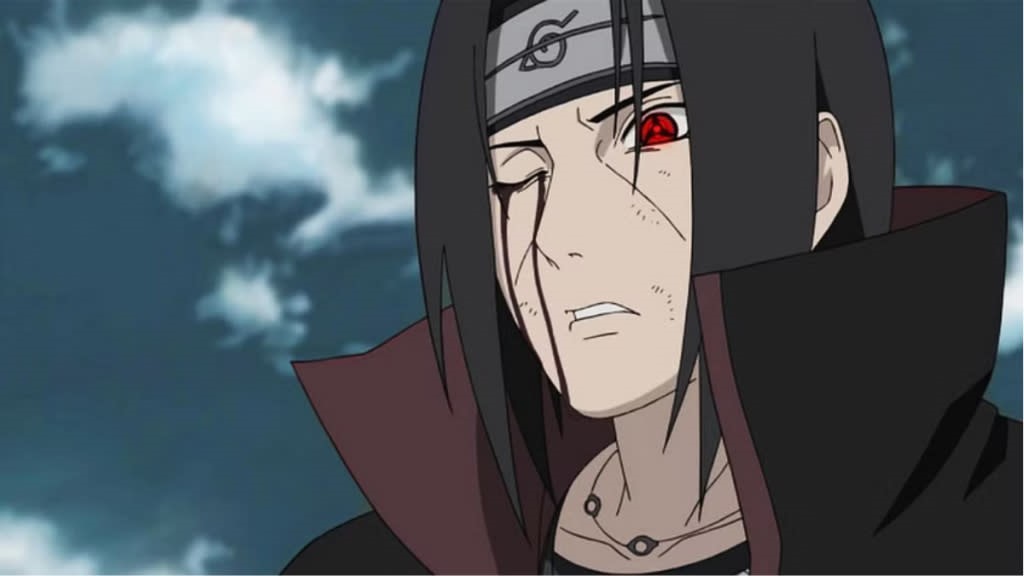
Itachi Uchiha Tragic Hero Analysis
Itachi Uchiha stands as one of the most complex and compelling tragic heroes in anime history. His story arc—from loyal Konoha ninja to clan traitor to redeemed martyr—embodies the classical elements of tragic heroism while adding unique layers of moral complexity. This comprehensive analysis explores Itachi’s character through the lens of tragic heroism, examining his motivations, sacrifices, and enduring legacy.
Classical Tragic Hero Elements
Noble Birth and High Status
Uchiha Clan Heritage
- Clan Status: Born into the prestigious Uchiha clan, one of Konoha’s founding clans
- Prodigy Status: Recognized as a genius from early childhood
- ANBU Captain: Achieved high rank in Konoha’s elite black ops
- Clan Representative: Trusted by both the Uchiha clan and Konoha leadership
Natural Gifts
- Dojutsu Mastery: Exceptional control of his Sharingan
- Strategic Genius: Brilliant tactical mind and foresight
- Versatile Ninja: Proficiency in multiple types of jutsu
- Intellectual Superiority: Vast knowledge of ninja history and techniques
Tragic Flaw
Moral Perfectionism
- Impossible Standards: Holding himself to unrealistic ethical standards
- Self-Sacrifice Addiction: Taking on burdens no one should bear alone
- Moral Isolation: Believing only he could make the necessary choices
- Ends Justify Means: Willing to commit atrocities for what he saw as the greater good
Emotional Repression
- Stoic Demeanor: Suppressing all emotion to maintain composure
- Love as Weakness: Viewing personal attachments as liabilities
- Guilt Suppression: Repressing his immense guilt over his actions
- Loneliness Embrace: Accepting isolation as the price of his mission
Reversal of Fortune
From Hero to Traitor
- Public Perception: From respected ANBU captain to hated clan traitor
- Family Relations: From loving brother to feared enemy
- Moral Standing: From paragon of virtue to symbol of evil
- Physical State: From peak health to terminal illness
The Fall
- Clan Massacre: His most heinous act and greatest burden
- Self-Exile: Joining Akatsuki as a spy
- Terminal Illness: The physical manifestation of his spiritual decay
- Final Battle: His tragic confrontation with Sasuke
Recognition of Truth
Before Death
- Sasuke’s Truth: His final moments revealing his love for his brother
- Mission Completion: Ensuring the safety of both Sasuke and Konoha
- Acceptance of Fate: Coming to terms with his inevitable death
- Hope for the Future: Believing in Naruto’s ability to change the world
Posthumous Recognition
- Truth Revealed: The village learning of his loyalty
- Sasuke’s Redemption: His brother carrying on his legacy
- Konoha’s Atonement: The village honoring his sacrifice
- Historical Reassessment: His transformation from villain to hero in the annals of history
Itachi’s Motivations: The Weight of Responsibility
Love for the Village
Konoha Loyalty
- Will of Fire: His deep belief in Konoha’s founding principles
- Peace Preservation: His commitment to maintaining the village’s stability
- Founders’ Vision: His desire to honor Hashirama and Madara’s dream
- Future Generation: His hope for a peaceful world for Naruto’s generation
Moral Dilemma
- Civil War Prevention: His fear of a destructive conflict between the Uchiha and Konoha
- Minimal Casualties: Believing a targeted massacre would cause less bloodshed than war
- Danzo’s Blackmail: His vulnerability to threats against Sasuke
- Solo Burden: Taking sole responsibility to spare others from the moral weight
Love for Sasuke
Protective Instinct
- Sasuke’s Safety: His primary motivation for everything he does
- Emotional Manipulation: Forcing Sasuke to hate him to ensure his survival
- Power Motivation: Giving Sasuke a reason to become strong
- Future Hope: Believing Sasuke would one day understand and carry on his legacy
Sacrificial Love
- Self-Demonization: Portraying himself as a monster to make Sasuke’s revenge justified
- Painful Illusions: Using Tsukuyomi to traumatize Sasuke into growing stronger
- Sharingan Transplant: Ensuring Sasuke would gain the Eternal Mangekyo Sharingan
- Final Gift: His last words and the Amaterasu he left for Sasuke’s protection
The Psychology of a Tragic Hero
Complex PTSD
Trauma Processing
- Child Soldier Trauma: His early exposure to war and death
- Clan Massacre Trauma: The psychological impact of killing his family
- Survivor’s Guilt: His guilt over living while his clan died
- Chronic Stress: The constant pressure of his double agent role
Defense Mechanisms
- Dissociation: Detaching from his actions to maintain functionality
- Rationalization: Justifying his atrocities as necessary evils
- Emotional Numbing: Suppressing all feelings except duty
- Fatalism: Accepting his eventual death as just punishment
Moral Injury
Ethical Dissonance
- Mission vs. Morality: The conflict between his orders and his personal ethics
- Loyalty Conflict: Torn between loyalty to his clan and loyalty to his village
- Killing Kin: The unique psychological trauma of killing family members
- Betrayal Trauma: His betrayal by Danzo and the village leadership
Spiritual Wound
- Loss of Innocence: His transformation from idealistic youth to jaded operative
- Faith Crisis: His loss of faith in the ninja system
- Hope as Coping: Clinging to the belief that his sacrifices would create a better future
- Death as Release: Viewing his terminal illness as a welcome end to his suffering
Itachi’s Relationship with the Ninja System
Systemic Failure
Konoha’s Hypocrisy
- Founding Myths: The gap between Konoha’s ideals and its actions
- Uchiha Marginalization: The systematic sidelining of the Uchiha clan
- Danzo’s Shadow: The dark underbelly of Konoha’s leadership
- Cycle of Violence: The ninja system’s perpetuation of conflict
Itachi’s Critique
- Moral Compromise: His recognition of the system’s ethical failures
- Leadership Cowardice: His disdain for leaders who avoided difficult choices
- Child Soldier Exploitation: His implicit criticism of using children in war
- Truth Suppression: His rejection of the village’s culture of secrecy
Attempted Reform
Working Within the System
- ANBU Service: His attempt to change things from within
- Uchiha Mediator: His role as bridge between the clan and the village
- Sasuke’s Future: His hope that Sasuke would reform the system
- Naruto’s Potential: His belief in Naruto’s ability to change the ninja world
Subversive Actions
- Akatsuki Sabotage: His secret work to undermine the organization
- Information Gathering: Passing intelligence to Konoha
- Madara’s Plans: His efforts to prevent the Eye of the Moon Plan
- Legacy Planting: Leaving behind the means for Sasuke and Naruto to succeed where he failed
Thematic Analysis
1. The Price of Peace
Narrative Exploration
- Moral Calculus: Itachi’s weighing of lives against peace
- Collateral Damage: The human cost of maintaining stability
- Peace vs. Justice: The tension between order and moral rightness
- Intergenerational Trauma: The wounds passed from one generation to the next
Philosophical Commentary
- Utilitarian Ethics: The moral philosophy of the greatest good for the greatest number
- Deontological Critique: The conflict with duty-based ethics
- Moral Relativism: The shades of gray in wartime decisions
- Peace as Process: The recognition that true peace requires more than temporary stability
2. The Burden of Knowledge
Narrative Exploration
- Forbidden Truths: The secrets Itachi is forced to carry
- Ignorance vs. Knowledge: The village’s preference for blissful ignorance
- Wisdom as Curse: Itachi’s knowledge making him miserable
- Selective Disclosure: His careful revelation of truth to Sasuke
Philosophical Commentary
- Epistemic Responsibility: The moral duty that comes with knowledge
- Plato’s Cave: The parable of the philosopher-king forced to return to the cave
- Truth and Power: The relationship between knowledge and authority
- Necessary Lies: The ethical dilemma of deception for the greater good
3. Redemption Through Death
Narrative Exploration
- Death as Atonement: Itachi’s acceptance of death as punishment
- Posthumous Redemption: His reputation restored after death
- Martyrdom: His death as a sacrifice for the greater good
- Legacy Redemption: His actions vindicated through Sasuke’s redemption
Philosophical Commentary
- Death as Release: The classical tragic hero’s解脱 through death
- Martyrdom Ethics: The moral value of self-sacrifice
- Posthumous Justice: The possibility of redemption after death
- Legacy as Immortality: The way a hero lives on through their impact
Itachi’s Relationships: The Human Element
Itachi and Sasuke: The Core Relationship
Brotherly Bond
- Early Childhood: Their close, loving relationship before the massacre
- Protective Dynamic: Itachi’s role as Sasuke’s guardian and mentor
- Forced Estrangement: The painful charade of hatred
- Secret Protection: Itachi’s constant vigilance over Sasuke from afar
- Final Reconciliation: Their emotional reunion in the afterlife
Narrative Function
- Emotional Core: Their relationship as the heart of Itachi’s story
- Motivation Driver: Sasuke as the primary reason for all of Itachi’s choices
- Thematic Mirror: Their parallel journeys of sacrifice and redemption
- Catharsis: Their final meeting as the emotional climax of the series
Itachi and Konoha: The Love-Hate Relationship
Loyalty and Betrayal
- Early Devotion: His deep love for the village and its people
- Leadership Disillusionment: His growing distrust of Konoha’s leaders
- Danzo’s Manipulation: His resentment of being used as a tool
- Village Preservation: His continued commitment to Konoha’s survival despite its flaws
Moral Conflict
- System Defense: His protection of a system he knew was flawed
- Leadership Critique: His implicit criticism of Konoha’s leadership
- Future Hope: His belief that the village could be reformed
- Posthumous Judgment: The village’s eventual recognition of his loyalty
Itachi and Madara: The Battle of Ideologies
Philosophical Conflict
- Madara’s Plan: The Eye of the Moon Plan as a solution to suffering
- Itachi’s Rejection: His belief in the value of human struggle
- Free Will Defense: His advocacy for choice over illusion
- Hope vs. Despair: Their fundamental disagreement about humanity’s potential
Strategic Opposition
- Madara’s Manipulation: His awareness of Black Zetsu’s true plans
- Itachi’s Countermeasures: His secret preparations to stop the Eye of the Moon Plan
- Izuna’s Legacy: His connection to Madara through the Uchiha lineage
- Final Victory: His posthumous role in Madara’s defeat
Itachi’s Legacy: The Tragic Hero’s Enduring Impact
Narrative Impact
Plot Catalyst
- Sasuke’s Arc: His role as the primary driver of Sasuke’s character development
- Konoha’s History: His impact on the village’s political and social landscape
- Akatsuki’s Plans: His interference with the organization’s schemes
- Fourth Great Ninja War: His posthumous influence on the conflict
Thematic Depth
- Moral Complexity: His story adding layers of ethical nuance to the series
- Redemption Theme: His arc exploring the possibility of atonement
- Sacrifice Theme: His example of selfless devotion to a cause
- Brotherhood Theme: His relationship with Sasuke as a central emotional thread
Cultural Impact
Fan Reception
- Character Popularity: Consistently ranked among the series’ most beloved characters
- Moral Ambiguity: His complexity sparking ongoing debate among fans
- Tragic Hero Admiration: His story resonating with audiences worldwide
- Symbolic Importance: His image becoming iconic within anime culture
Influence on Media
- Tragic Hero Archetype: His redefinition of the tragic hero for modern audiences
- Anti-Hero Complexity: His influence on subsequent morally ambiguous characters
- Sacrificial Narrative: His impact on how self-sacrifice is portrayed in media
- Moral Dilemma Storytelling: His example of how to craft compelling ethical conflicts
Philosophical Impact
Ethical Questions Raised
- Greater Good Dilemma: When, if ever, is sacrificing the few for the many justified?
- Individual Responsibility: The extent to which one person should take responsibility for a community’s problems
- Systemic Reform: Whether to work within a flawed system or destroy it
- Truth and Deception: The morality of lying to protect others
Philosophical Legacy
- Itachi’s Paradox: The ethical paradox of committing evil to prevent greater evil
- Moral Courage: His example of doing what is right even when it is unbearable
- Compassionate Justice: His balance of firmness and mercy
- Hope in Despair: His ability to maintain optimism despite overwhelming darkness
Itachi’s Techniques: The Tools of a Tragic Hero
Dojutsu Mastery
Sharingan Evolution
- Three-Tomoe Sharingan: His early mastery of his clan’s dojutsu
- Mangekyo Sharingan: Awakened through the trauma of the massacre
- Eternal Mangekyo Sharingan: Never acquired, but planned for Sasuke
- Rinnegan Knowledge: His understanding of the ultimate dojutsu
Tsukuyomi and Amaterasu
- Tsukuyomi: His most feared genjutsu, capable of torturing victims mentally
- Amaterasu: The black flames that burn until their target is destroyed
- Susanoo: His ultimate defensive technique, the avatar of his soul
- Izuna: His genjutsu of infinite looping, designed for redemption rather than destruction
Strategic Genius
Tactical Brilliance
- Battle Prediction: His ability to anticipate opponents’ moves
- Resource Management: His efficient use of chakra and tools
- Psychological Warfare: His manipulation of opponents’ emotions
- Contingency Planning: His preparation for multiple possible futures
Long-Term Strategy
- Sasuke’s Protection: His decades-long plan to ensure Sasuke’s safety and redemption
- Akatsuki Sabotage: His subtle undermining of the organization’s goals
- Madara’s Defeat: His preparation for the eventual threat of the Eye of the Moon Plan
- Naruto’s Role: His recognition of Naruto as the Child of Prophecy
Conclusion
Itachi Uchiha’s character represents the pinnacle of tragic heroism in modern storytelling. His arc embodies the classical elements of the tragic hero—noble birth, tragic flaw, reversal of fortune, and recognition—while adding uniquely modern layers of moral complexity.
What makes Itachi truly remarkable as a tragic hero is his agency. Unlike classical tragic heroes who are victims of fate, Itachi makes conscious choices at every step, fully aware of the consequences. His tragedy is not that fate is against him, but that he chooses his path of suffering because he believes it is the only way to protect those he loves.
Itachi’s story teaches us that:
- Morality is not black and white: The most difficult choices often involve choosing between two evils
- Sacrifice has limits: No one person should bear the weight of the world alone
- Redemption is possible: Even those who commit terrible acts can find forgiveness
- Love endures: His love for Sasuke transcends death and misunderstanding
- Hope is powerful: Even in the darkest moments, hope can light the way
As a tragic hero, Itachi Uchiha stands as a mirror to our own moral struggles. His story challenges us to confront the difficult choices in our own lives, to recognize the cost of our decisions, and to find hope even in the face of overwhelming darkness.
In the end, Itachi’s legacy is not one of tragedy, but of triumph—triumph of love over hatred, of hope over despair, and of the human spirit over even the most unbearable suffering.