Itachi Uchiha Story Arc Analysis
Itachi Uchiha Story Arc Analysis
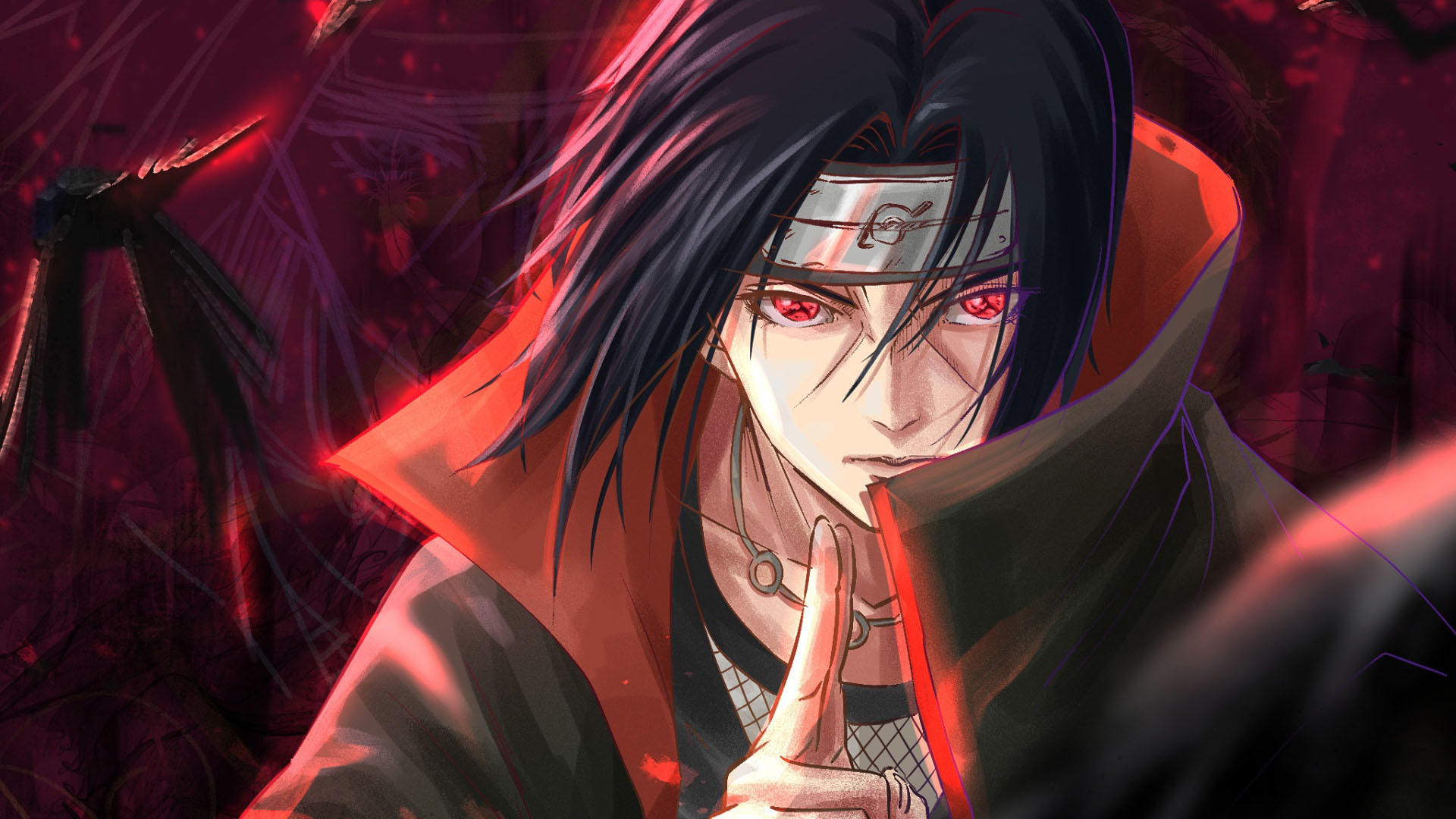
Itachi Uchiha stands as one of the most complex and beloved characters in the Naruto universe. His story arc, filled with tragedy, sacrifice, and redemption, represents some of the series’ most profound storytelling. This analysis explores Itachi’s narrative journey, his thematic significance, and how his character transforms from villain to tragic hero.
Character Introduction and Initial Portrayal
First Appearance
- Introduction: Episode 80 (Anime), Chapter 139 (Manga)
- Initial Role: Antagonist, Uchiha clan traitor
- First Impression: Cold, ruthless, and powerful
- Key Moment: His confrontation with Sasuke in the hospital
Early Characterization
- Villain Establishment: Murderer of his entire clan
- Power Display: Easily defeating Kakashi and other Konoha ninja
- Mysterious Motivations: His true reasons for the massacre unknown
- Sasuke’s Obsession: His role as the object of Sasuke’s revenge
The Uchiha Massacre: Truth and Context
Historical Background
Uchiha Clan Status
- Political Isolation: The Uchiha’s gradual边缘化 in Konoha
- Police Force Role: Their dual role as protectors and suspects
- Mistrust Cycle: Growing tension between Uchiha and village leadership
- Coup Preparations: The Uchiha’s secret plans for revolution
Konoha’s Dilemma
- Third Hokage’s Conflict: His reluctance to act against the Uchiha
- Danzo’s Agenda: His hardline approach to the Uchiha threat
- Sannin Absence: Jiraiya, Tsunade, and Orochimaru unavailable
- Potential Civil War: The risk of widespread conflict
Itachi’s Mission
Assignment and Conflict
- Spy Role: Itachi’s dual role as Uchiha and ANBU spy
- Moral Dilemma: Forced to choose between clan and village
- Danzo’s Blackmail: Threats against Sasuke’s life
- Solo Responsibility: The burden of his decision
Execution
- Selective Killing: Sparing only Sasuke
- Emotional Toll: The psychological trauma of his actions
- Cover Story Creation: Crafting his image as a villain
- Self-Exile: Joining Akatsuki to monitor their activities
Sasuke’s Manipulation
Emotional Conditioning
- Survival Instinct: Ensuring Sasuke’s hatred fuels his growth
- Power Motivation: Giving Sasuke a purpose to become strong
- Sharingan Awakening: Forcing Sasuke to awaken his Sharingan
- Long-Term Plan: Preparing Sasuke to one day “defeat” him
Psychological Strategy
- Traumatic Memory: The eternal mangekyo trigger
- Hopeful Hatred: Balancing hatred with the possibility of redemption
- Itachi’s Sacrifice: His willingness to be hated for Sasuke’s sake
- Hidden Protection: Watching over Sasuke from the shadows
Itachi’s Time in Akatsuki
Double Agent Role
Infiltration Objectives
- Monitor Akatsuki: Gathering intelligence on their plans
- Protect Konoha: Sabotaging Akatsuki’s efforts against his village
- Watch Over Sasuke: Ensuring his brother’s safety
- Maintain Cover: Pretending loyalty to Akatsuki
Key Actions
- Delaying Tailed Beast Collection: Slow-walking Akatsuki’s plans
- Obito Surveillance: Keeping tabs on the real threat
- Pain’s Limitations: Preventing Pain from attacking Konoha prematurely
- Sasuke Protection: Intervening indirectly when Sasuke is in danger
Relationship with Kisame
Partnership Dynamics
- Professional Respect: Mutual recognition of each other’s strength
- Emotional Distance: Itachi’s careful maintenance of boundaries
- Kisame’s Loyalty: His genuine loyalty to Itachi despite his secrets
- Subtle Guidance: Itachi’s influence on Kisame’s worldview
Key Moments
- First Meeting: Their initial partnership formation
- Shared Missions: Their teamwork on Akatsuki assignments
- Kisame’s Understanding: His eventual realization of Itachi’s true loyalties
- Final Words: Kisame’s respect for Itachi even after his death
Itachi’s Illness and Decline
Health Deterioration
Illness Origin
- Unknown Disease: Terminal condition affecting his lungs
- Chakra Strain: Sharingan usage accelerating his decline
- Physical Symptoms: Coughing fits, fatigue, and weakness
- Hidden Struggle: Concealing his condition from both allies and enemies
Impact on Strategy
- Time Pressure: Rushing his plans due to limited lifespan
- Power Limitations: Adjusting his fighting style to conserve energy
- Contingency Planning: Preparing for his death and Sasuke’s future
- Emotional Urgency: His increasing desire to see Sasuke one last time
Final Preparations
Amaterasu Setup
- Crows with Sharingan: His contingency plan for Sasuke
- Itachi’s Eye: Implanting his Mangekyo Sharingan into Naruto
- Protection Measures: Ensuring Sasuke’s safety after his death
- Madara Containment: Preparing countermeasures against Obito’s plans
Psychological Preparation
- Acceptance of Death: His peaceful resignation to his fate
- Reconciliation Desire: His hope for Sasuke’s understanding
- Legacy Planning: Ensuring his sacrifices are not in vain
- Village Protection: His final acts to safeguard Konoha
Itachi vs. Sasuke: Final Battle
Battle Context
Strategic Setup
- Location: Uchiha hideout
- Itachi’s Condition: Severely ill and near death
- Sasuke’s Preparation: Years of training for this moment
- Obito’s Observation: Watching the battle from the shadows
Emotional Stakes
- Sasuke’s Revenge: His lifelong goal within reach
- Itachi’s Sacrifice: His final act of love for his brother
- Truth Revelation: The secrets Itachi intends to take to the grave
- Legacy Transfer: Passing the torch to Sasuke
Battle Analysis
Initial Phases
- Genjutsu Exchange: Itachi’s domain
- Sasuke’s Countermeasures: His preparation against Itachi’s illusions
- Fire Release Techniques: Both showcasing their Uchiha heritage
- Strategic Maneuvering: Itachi’s weakened state vs. Sasuke’s full strength
Climax
- Tsukuyomi Attempt: Itachi’s failed genjutsu
- Amaterasu Activation: His final attempt to test Sasuke
- Susanoo Manifestation: Itachi’s ultimate technique
- Sasuke’s Victory: His apparent defeat of Itachi
- Itachi’s Death: His final moments with Sasuke
Final Moments
Emotional Goodbye
- Forehead Touch: Their iconic final interaction
- Hidden Message: His true feelings conveyed through silence
- Sasuke’s Confusion: His mixed emotions at Itachi’s death
- Itachi’s Smile: His peaceful expression in death
Post-Mortem Revelations
- Crow Release: The Amaterasu triggered in Sasuke’s eye
- Itachi’s Secret: His true loyalty to Konoha revealed
- Sasuke’s Identity Crisis: His world shattered by the truth
- Obito’s Manipulation: Using the truth to further his own agenda
Itachi’s Reanimation and Final Redemption
Fourth Great Ninja War Role
Reanimation Context
- Kabuto’s Control: Using Edo Tensei to resurrect Itachi
- Itachi’s Resistance: His struggle against Kabuto’s control
- Meeting Naruto: His encounter with the boy Jiraiya believed in
- New Mission: Stopping Kabuto and ending the Edo Tensei
Battle Against Kabuto
- Team-Up: Itachi and Sasuke working together
- Izanami: Itachi’s genjutsu to trap Kabuto
- Philosophical Debate: Itachi’s lesson on acceptance and change
- Kabuto’s Redemption: Itachi’s role in his rehabilitation
Final Message to Sasuke
Reconciliation Attempt
- Truth Confession: His full explanation of the Uchiha massacre
- Brotherly Love: His unconditional love for Sasuke
- Guilt Acknowledgment: His regret for his actions
- Future Hope: His belief in Sasuke’s potential for good
Legacy Passing
- Will of Fire: His final teachings about protecting the village
- Sasuke’s Choice: His encouragement for Sasuke to choose his own path
- Sharingan Transfer: His eyes becoming Sasuke’s Eternal Mangekyo
- Spiritual Guidance: His continued influence from beyond the grave
Thematic Analysis
1. The Burden of Knowledge
Itachi’s Curse
- Forbidden Truths: The secrets he must carry alone
- Isolation: His loneliness due to his knowledge
- Moral Compromise: The choices he makes for the greater good
- Sacrificial Wisdom: His intelligence used for selfless ends
Narrative Purpose
- Critique of Secrets: The damage caused by hidden truths
- Leadership Responsibility: The weight of making difficult decisions
- Moral Ambiguity: The complexity of right and wrong in wartime
- Wisdom Through Suffering: Knowledge gained through pain
2. Love as Sacrifice
Itachi’s Parental Love
- Brotherly Devotion: His love for Sasuke超越 all else
- Selfless Acts: His willingness to be hated for Sasuke’s sake
- Protective Instincts: His actions motivated by love, not malice
- Sacrificial Identity: Choosing to be a villain to save his brother
Narrative Significance
- Love’s Complexity: Love as motivation for both good and bad actions
- Sacrifice as Virtue: The nobility in self-sacrifice for others
- Unconditional Love: Love that persists despite rejection
- Love vs. Duty: The conflict between personal feelings and responsibility
3. Redemption and Forgiveness
Itachi’s Redemption
- Posthumous Vindication: His true heroism revealed after death
- Sasuke’s Forgiveness: His brother’s eventual understanding
- Village Recognition: His sacrifice acknowledged by Konoha
- Spiritual Peace: His soul finding rest after death
Narrative Function
- Redemption Possibility: Even the most vilified can be redeemed
- Forgiveness Power: The healing nature of understanding
- Legacy Restoration: Rebuilding one’s reputation after mistakes
- Closure Through Truth: The importance of honesty for reconciliation
4. The Cost of Peace
Itachi’s Price
- Personal Happiness: His sacrifice of a normal life
- Emotional Trauma: The psychological scars of his actions
- Physical Health: His premature death due to stress and illness
- Reputation Ruin: His legacy as a traitor for most of his life
Narrative Commentary
- Peace Through Suffering: The idea that peace requires sacrifice
- Systemic Failure: The ninja system’s demand for individual sacrifice
- Leadership’s Burden: The cost leaders pay for their decisions
- Cycle of Pain: How peace efforts can create new suffering
Character Relationships
Itachi and Sasuke
Brotherly Bond
- Early Childhood: Their close relationship before the massacre
- Protective Dynamic: Itachi’s role as Sasuke’s protector
- Traumatic Separation: The massacre as the ultimate betrayal
- Posthumous Reconciliation: Sasuke’s understanding after Itachi’s death
Narrative Function
- Emotional Core: Their relationship as one of the series’ most powerful bonds
- Motivation Driver: Sasuke’s quest for revenge fuels his character arc
- Redemption Catalyst: Itachi’s love leads to Sasuke’s eventual redemption
- Thematic Mirror: Their relationship reflects the series’ themes of love and sacrifice
Itachi and the Third Hokage
Mentor-Student Relationship
- Mutual Respect: Their admiration for each other’s wisdom
- Trust Bond: The Third’s faith in Itachi’s judgment
- Guilt Shared: Both feeling responsible for the Uchiha massacre
- Posthumous Reunion: Their meeting in the afterlife
Narrative Significance
- Generational Connection: The passing of wisdom between generations
- Leadership Contrast: The Third’s compassion vs. Danzo’s ruthlessness
- Moral Guidance: The Third’s influence on Itachi’s ethical framework
- Shared Regret: Their mutual sorrow for the choices they made
Itachi and Danzo
Antagonistic Relationship
- Ideological Conflict: Danzo’s pragmatism vs. Itachi’s idealism
- Blackmail Dynamic: Danzo’s manipulation of Itachi
- Necessary Evil: Itachi’s acceptance of Danzo’s role
- Posthumous Judgment: Itachi’s final assessment of Danzo
Narrative Purpose
- Moral Complexity: The shades of gray in their relationship
- Systemic Critique: How the system creates men like Danzo
- Forced Collaboration: The choices good men make with bad men
- Tragic Necessity: The compromises required for survival
Cinematic and Narrative Techniques
Visual Storytelling
Color Symbolism
- Black and Red: Itachi’s color scheme representing death and passion
- Crow Motifs: Symbolizing his intelligence and spiritual presence
- Sharingan Eyes: The windows to his emotional state
- Weather Symbolism: Rain and darkness during his tragic moments
Animation Choices
- Slow Motion: Used during emotional peak moments
- Close-ups: Focus on his facial expressions to reveal inner turmoil
- Flashback Sequences: Non-linear storytelling to reveal his past
- Silence: Powerful use of quiet moments to convey emotion
Narrative Structure
Reverse Characterization
- Initial Villainy: His setup as a one-dimensional villain
- Gradual Revelation: The slow unveiling of his true motives
- Sympathy Building: The audience’s shift from hatred to pity
- Heroic Redemption: His ultimate transformation into tragic hero
Foreshadowing
- Early Clues: Subtle hints at his true loyalty
- Symbolic Objects: The crows and their significance
- Verbal Foreshadowing: His cryptic statements with double meanings
- Visual Cues: His sad expressions hidden behind his cold exterior
Impact and Legacy
Series Significance
Narrative Impact
- Moral Complexity: Introducing shades of gray to the series’ morality
- Character Depth: Setting a new standard for antagonist development
- Thematic Weight: Elevating the series’ philosophical themes
- Emotional Resonance: Creating some of the series’ most heartbreaking moments
Plot Catalyst
- Sasuke’s Arc: Driving Sasuke’s entire character journey
- Akatsuki’s Plans: His role in delaying their schemes
- Fourth Great Ninja War: His posthumous influence on the conflict
- Naruto’s Growth: His indirect impact on Naruto’s philosophy
Cultural Impact
Fan Reception
- Character Popularity: Consistently ranked among the series’ most popular characters
- Emotional Response: Fans moved by his tragic story
- Moral Debate: Ongoing discussion about his choices
- Symbolic Importance: His character as a symbol of sacrifice and love
Influential Elements
- Anti-Hero Archetype: Redefining the tragic villain-hero hybrid
- Sacrifice Narrative: Setting a new standard for selfless heroism
- Sibling Bond Storytelling: Portraying one of fiction’s most complex brotherly relationships
- Moral Ambiguity: Proving that good people can make terrible choices
Philosophical Legacy
Ethical Questions Raised
- Greater Good Dilemma: When is sacrificing the few for the many justified?
- Moral Responsibility: Who should bear the burden of difficult choices?
- Systemic Reform: How to fix broken systems without violence
- Redemption Possibility: Can past sins be forgiven?
Philosophical Contributions
- Acceptance: His lesson on embracing one’s fate
- Love as Strength: His demonstration that love is the ultimate power
- Wisdom Through Suffering: His growth through pain
- Hope Despite Despair: His ability to find purpose in tragedy
Conclusion
Itachi Uchiha’s story arc represents the pinnacle of Naruto’s storytelling, offering a profound exploration of sacrifice, love, and redemption. His journey from reviled villain to tragic hero challenges our perceptions of good and evil, forcing us to confront the complexities of moral decision-making in a flawed world.
What makes Itachi’s character truly remarkable is his unwavering love for his brother and his village, even in the face of unbearable suffering. His sacrifice—choosing to be hated for the greater good—speaks to the depths of human selflessness and the power of love to transcend even the darkest circumstances.
Itachi’s legacy extends beyond his own narrative, shaping the journeys of Sasuke, Naruto, and the entire ninja world. His final message—that true strength comes from protecting others rather than seeking power—echoes throughout the series, serving as a moral compass for future generations.
As a character, Itachi Uchiha reminds us that even in the face of impossible choices, love and sacrifice can light the way toward redemption. His story is a testament to the enduring power of compassion and the profound impact one individual can have on the world, even long after they’re gone.