Gaara of the Sand Character Analysis
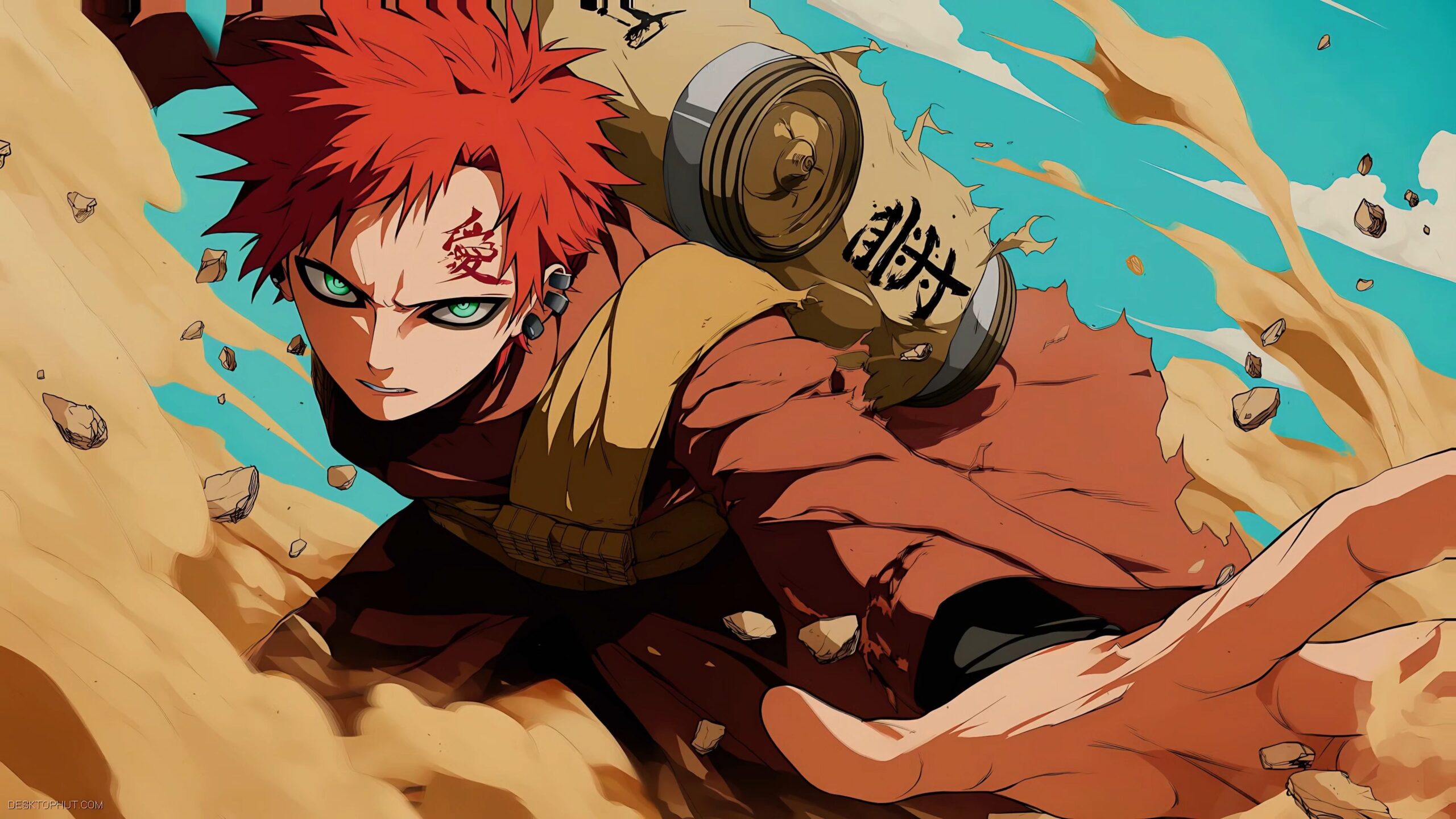
Gaara of the Sand Character Analysis
Gaara’s character arc represents one of the most powerful redemption stories in the Naruto series. From a traumatized, murderous child to a wise and compassionate Kazekage, his journey embodies the transformative power of empathy, self-acceptance, and purpose. This comprehensive analysis explores Gaara’s development across the entire Naruto franchise, examining the psychological, emotional, and thematic elements that make his story so compelling.
Part 1: The Demon’s Vessel
Birth and Early Childhood
The Jinchuriki Creation
- Mother’s Sacrifice: Karura’s death during childbirth
- Shukaku Sealing: The One-Tailed Beast sealed within him
- Village Reaction: The Sand Village’s fear and rejection
- Father’s Ambivalence: Rasa’s conflicting emotions as both father and Kazekage
Psychological Impact
- Mother’s Love: The sand’s automatic protection as a manifestation of Karura’s love
- Isolation: Complete social isolation from a young age
- Identity Crisis: Struggling to distinguish between his own emotions and Shukaku’s
- Survival Instinct: Developing a kill-or-be-killed mentality
The Path of Hatred
Childhood Trauma
- Assassination Attempts: Rasa’s repeated attempts to eliminate him
- Betrayal by Yashamaru: The psychological torture of his uncle’s fake assassination attempt
- Emotional Numbing: Suppressing all emotions except rage
- Self-Identity: Adopting “love for oneself” as his sole philosophy
The Monster Within
- Shukaku’s Influence: The tailed beast’s corruption of his psyche
- Violent Outbursts: Uncontrollable rages fueled by Shukaku
- Bloodlust: Developing a taste for killing
- Physical Transformation: Partial transformations into Shukaku
- Sand Manipulation: Mastering his sand powers through trauma
Part 2: The Battle with Naruto
The Chunin Exams
Introduction to Konoha
- First Appearance: His ominous introduction at the Chunin Exams
- Battle Style: His ruthless efficiency in combat
- Emotional Detachment: His complete lack of empathy for others
- Observation of Naruto: His initial dismissal of Naruto as weak
The Forest of Death
- Ruthless Efficiency: His slaughter of Rain ninja
- Sasuke’s Encounter: His brief clash with Sasuke
- Naruto’s Protection: Witnessing Naruto’s willingness to sacrifice himself for Sasuke
- Psychological Discomfort: His unease at Naruto’s display of selflessness
The Final Battle
Gaara vs. Naruto
- Clash of Philosophies: Their battle as a conflict of worldviews
- Naruto’s Determination: His refusal to give up despite overwhelming odds
- Sand vs. Shadow Clones: Their tactical battle
- Nine-Tails Chakra: Naruto’s use of the Nine-Tails’ power
- Gaara’s Defeat: His first experience of true defeat
The Turning Point
- Naruto’s Speech: Naruto’s explanation of their shared pain
- Empathetic Understanding: Gaara’s realization that someone else understands his suffering
- Philosophical Shift: His rejection of his “love for oneself” philosophy
- Tears of Regret: His first display of genuine emotion in years
- Redemption Begins: His decision to change his path
Part 3: The Journey to Redemption
Return to the Sand Village
Self-Reflection
- Journey Home: His contemplation of Naruto’s words
- Acceptance of Pain: Acknowledging his past suffering without letting it consume him
- Rejection of Violence: Choosing to resolve conflicts peacefully
- Search for Purpose: Seeking a new reason to live
Reconciliation Attempts
- Rasa’s Relationship: His complex feelings toward his father
- Village Perception: The Sand Village’s continued fear and distrust
- Self-Improvement: Dedicating himself to becoming stronger for the village
- Leadership Potential: Early signs of his capacity for leadership
The Kazekage Rescue Mission
Gaara’s Capture
- Akatsuki Targeting: His capture by Deidara and Sasori
- Village Panic: The Sand Village’s desperation at losing their jinchuriki
- Extraction Process: The painful removal of Shukaku
- Near-Death Experience: His death and revival by Chiyo
Resurrection and Transformation
- Chiyo’s Sacrifice: The elder’s life exchanged for Gaara’s
- Post-Resurrection Changes: His newfound peace without Shukaku
- Leadership Vacuum: His ascension to Kazekage
- Village Unity: The Sand Village’s rallying around their returned leader
Part 4: The Kazekage
Leadership Style
Compassionate Governance
- Villager Welfare: Prioritizing the needs of the common people
- Military Reform: Reducing the village’s reliance on jinchuriki
- Diplomatic Efforts: Fostering alliances with other villages
- Youth Investment: Investing in the next generation of ninja
Personal Growth
- Emotional Intelligence: Developing his ability to understand others
- Self-Confidence: Growing into his role as leader
- Public Speaking: Overcoming his social awkwardness
- Decision-Making: Balancing compassion with pragmatism
The Fourth Great Ninja War
Allied Shinobi Forces
- Coalition Leadership: His role as a key leader in the alliance
- Sand Village Contribution: The Sand’s significant role in the war effort
- Naruto’s Support: His unwavering belief in Naruto as the Child of Prophecy
- Combat Prowess: His enhanced abilities without Shukaku
Emotional Resolution
- Rasa’s Reconciliation: His meeting with his father’s reanimated corpse
- Yashamaru’s Truth: Learning the truth about his uncle’s love
- Mother’s Love Confirmed: Understanding the sand’s protection as his mother’s love
- Self-Acceptance: Fully embracing himself as both Gaara and the Kazekage
Part 5: Post-War Era
Peaceful Reconstruction
Village Development
- Sand Village Modernization: Leading the village’s growth and development
- Economic Reforms: Improving the village’s prosperity
- Educational Initiatives: Investing in schools and training
- Infrastructure Projects: Building for the future
International Relations
- Konoha Alliance: Strengthening ties with the Leaf Village
- Five Kage Summit: His role in the new shinobi world order
- Diplomatic Missions: Representing the Sand Village abroad
- Peacekeeping Efforts: Preventing future conflicts
Legacy and Family
Next Generation
- Shinki’s Adoption: His role as adoptive father to Shinki
- Leadership Training: Preparing the next generation of Sand ninja
- Mentorship: Guiding young ninja like Boruto
- Wisdom Passing: Sharing his experiences with others
Personal Fulfillment
- Emotional Stability: Finding peace within himself
- Purpose Beyond Pain: Discovering joy in leadership and service
- Friendship: Developing meaningful relationships
- Self-Acceptance: Fully embracing his identity
Psychological Analysis
Attachment Theory
Disorganized Attachment
- Early Caregiver Trauma: Inconsistent and abusive caregiving
- Fearful-Avoidant Patterns: Both craving and fearing connection
- Trust Issues: Deep-seated distrust of others’ intentions
- Emotional Dysregulation: Extreme emotional responses
Secure Attachment Development
- Naruto’s Influence: Naruto as a secure base
- Village Acceptance: The Sand Village’s growing trust
- Leadership Responsibility: His role as Kazekage fostering healthy attachment
- Shinki’s Relationship: His healthy attachment to his adoptive son
Trauma Recovery
Complex PTSD
- Trauma Symptoms: Flashbacks, hypervigilance, emotional numbing
- Survival Guilt: Guilt over surviving when others didn’t
- Self-Blame: Blaming himself for his mother’s death
- Identity Confusion: Struggling with who he is beyond his trauma
Recovery Process
- Safety and Stability: Finding security as Kazekage
- Emotional Processing: Allowing himself to feel and express emotions
- Cognitive Restructuring: Changing his beliefs about himself and others
- Meaning-Making: Finding purpose in his pain
- Post-Traumatic Growth: Developing strength through adversity
Moral Development
Kohlberg’s Stages
- Pre-Conventional: His early focus on survival and self-preservation
- Conventional: His adoption of village values as Kazekage
- Post-Conventional: His development of a personal moral code based on compassion
- Universal Ethics: His commitment to the greater good
Moral Transformation
- Self-Centered Morality: His initial “love for oneself” philosophy
- Other-Regarding Morality: His shift to considering others’ needs
- Altruistic Behavior: His willingness to sacrifice for the village
- Moral Leadership: Leading by ethical example
Thematic Analysis
1. The Power of Empathy
Narrative Exploration
- Naruto’s Influence: The transformative power of Naruto’s understanding
- Gaara’s Awakening: His realization that he’s not alone in his pain
- Compassion as Strength: His newfound compassion becoming his greatest asset
- Empathetic Leadership: His ability to understand others’ suffering guiding his decisions
Philosophical Commentary
- Interconnectedness: The recognition that our pain connects us
- Emotional Validation: The healing power of being seen and understood
- Compassionate Action: How empathy motivates positive change
- Moral Imagination: The ability to imagine oneself in another’s place
2. The Journey of Self-Acceptance
Narrative Exploration
- Identity Crisis: His struggle to define himself beyond the demon
- Self-Rejection: His hatred for himself as a monster
- Self-Discovery: His gradual understanding of his true self
- Self-Acceptance: His final embrace of all aspects of his identity
Philosophical Commentary
- Self-Compassion: The importance of being kind to oneself
- Integrated Identity: Embracing all parts of oneself, including past pain
- Authenticity: Being true to oneself despite others’ expectations
- Self-Worth: Finding value within oneself rather than from external sources
3. The Redemptive Power of Purpose
Narrative Exploration
- Meaninglessness: His early sense of purposelessness
- Survival Instinct: His initial motivation to simply survive
- Village Responsibility: His new purpose as Kazekage
- Legacy Building: His focus on creating a better future
Philosophical Commentary
- Eudaimonia: Finding fulfillment through purposeful activity
- Service to Others: The healing power of helping others
- Generativity: The desire to contribute to the next generation
- Existential Meaning: Creating meaning in a meaningless world
Relationship Analysis
Gaara and Naruto: The Catalyst for Change
Initial Encounter
- First Impressions: Naruto’s dismissive view of Gaara as a bully
- Battle Respect: Naruto’s growing respect for Gaara’s power
- Empathetic Connection: Naruto’s recognition of their shared pain
- Philosophical Challenge: Naruto’s rejection of Gaara’s worldview
Lifelong Bond
- Mutual Respect: Their deep admiration for each other’s strength
- Alliance Building: Their villages’ growing partnership
- Emotional Support: Their ability to understand each other’s struggles
- Leadership Collaboration: Their joint efforts to maintain peace
Gaara and Rasa: The Complex Father-Son Relationship
Childhood Trauma
- Paternal Betrayal: Rasa’s attempts to kill his own son
- Identity Conflict: Rasa’s struggle between duty and fatherhood
- Emotional Distance: Complete lack of paternal affection
- Legacy Pressure: Rasa’s fear that Gaara would destroy the village
Post-Death Reconciliation
- Reanimated Encounter: Their meeting during the Fourth Great Ninja War
- Rasa’s Regret: The Kazekage’s admission of guilt
- Gaara’s Forgiveness: His ability to forgive his father
- Legacy Acceptance: Embracing his role as the next Kazekage
Gaara and Shinki: The Adoptive Father-Son Bond
Parenting Approach
- Compassionate Guidance: Learning from his own traumatic childhood
- Emotional Support: Providing the love he never received
- Discipline with Care: Balancing correction with affection
- Identity Formation: Helping Shinki develop a healthy sense of self
Legacy Continuity
- Leadership Training: Preparing Shinki for future responsibility
- Values Transmission: Passing on his moral code
- Sand Techniques: Teaching his unique abilities
- Unconditional Love: Providing the secure attachment he lacked
Symbolism and Imagery
The Sand
Symbolic Meanings
- Protection: The sand as a shield against harm
- Mother’s Love: Karura’s continuing care from beyond the grave
- Unconscious Power: The sand’s automatic responses as Gaara’s subconscious
- Transformation: The sand’s versatility representing Gaara’s ability to change
Visual Evolution
- Early Sand: Dark, violent, and uncontrolled
- Post-Naruto Sand: Lighter, more controlled, and protective
- Kazekage Sand: Regal and disciplined
- Battle Sand: Strategic and powerful
The Gourd
Symbolic Meanings
- Burden: The weight of his past trauma
- Strength: The source of his power
- Identity: His signature accessory as a symbol of his uniqueness
- Protection: A constant reminder of his mother’s love
The Eye Markings
Symbolic Meanings
- War Paint: His facial markings as a warrior’s paint
- Shukaku’s Influence: The resemblance to the One-Tailed Beast
- Personal Identity: His choice to keep them as Kazekage
- Transformation: The markings’ intensity reflecting his emotional state
Impact and Legacy
Narrative Impact
Plot Catalyst
- Naruto’s Growth: His role in Naruto’s development as a hero
- Sand Village Arc: The Kazekage Rescue Mission as a major storyline
- Fourth Great Ninja War: His leadership in the Allied Shinobi Forces
- Boruto Series: His role as a mentor to the next generation
Thematic Depth
- Redemption Arc: His story as one of the most powerful redemption arcs in anime
- Cycle of Hatred: His journey from victim to peacemaker
- Jinchuriki Narrative: His unique experience as a former jinchuriki
- Leadership Theme: His growth from isolated child to wise leader
Cultural Impact
Fan Reception
- Character Popularity: Consistently ranked among the series’ most beloved characters
- Redemption Story: Admired for his remarkable transformation
- Relatability: His pain and growth resonating with fans
- Symbol of Hope: His story offering hope to those struggling with trauma
Influence on Media
- Redemption Arcs: Setting a standard for believable character redemption
- Trauma Representation: Portraying the effects of childhood trauma with sensitivity
- Mental Health Awareness: Contributing to conversations about mental health
- Positive Masculinity: Showing strength through compassion rather than aggression
Conclusion
Gaara’s character arc represents one of the most inspiring and authentic redemption stories in anime. His journey from a traumatized, murderous child to a wise and compassionate leader is a testament to the human capacity for change, growth, and healing.
What makes Gaara truly remarkable is the realism of his transformation. His redemption is not sudden or miraculous but a gradual process filled with setbacks, doubt, and hard work. He doesn’t simply forget his past; he acknowledges it, learns from it, and uses it to become a better person.
Gaara’s story teaches us that:
- Trauma does not define us: Despite unimaginable pain, he chooses to create his own identity
- Empathy is transformative: Naruto’s understanding gives him the strength to change
- Self-acceptance is possible: He learns to love himself without hatred
- Purpose heals: Finding meaning in service to others helps him overcome his pain
- Redemption is always possible: No matter how far we fall, we can rise again
As Kazekage, Gaara stands as a living testament to the power of compassion, resilience, and hope. His legacy is not just his leadership of the Sand Village but the inspiration he provides to all who have suffered trauma and struggled to find their way back to the light.
From the demon child of the Sand to the wise Kazekage, Gaara’s journey is a reminder that even the darkest souls can be redeemed through love, understanding, and the courage to choose a different path.