Fourth Great Ninja War Strategy Analysis
Fourth Great Ninja War Strategy Analysis
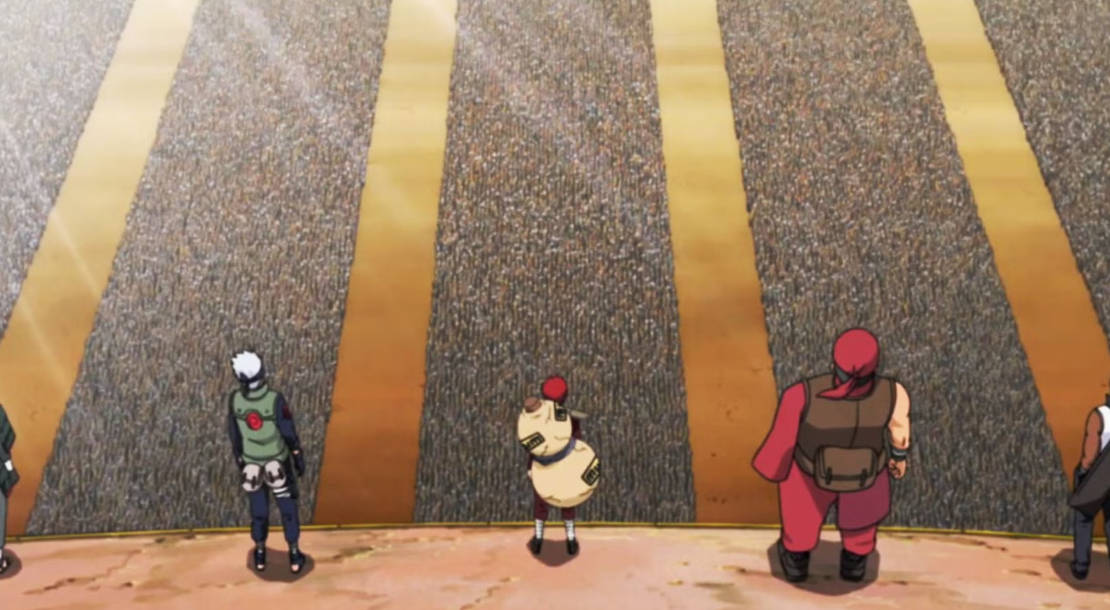
The Fourth Great Ninja War represents the largest and most complex military conflict in the Naruto universe, pitting the Allied Shinobi Forces against the combined forces of Akatsuki and the reanimated shinobi army. This analysis explores the strategic elements, tactical decisions, and key battles that defined this epic conflict, highlighting the brilliance and flaws of both sides’ approaches.
Conflict Overview
Basic Information
- Duration: Approximately 2 days
- Belligerents: Allied Shinobi Forces vs. Akatsuki/White Zetsu Army
- Commanders:
- Allied Forces: Naruto Uzumaki, Gaara, and the Five Kage
- Akatsuki: Madara Uchiha, Obito Uchiha, Black Zetsu
- Stakes: The fate of the entire ninja world
Forces Comparison
Allied Shinobi Forces
- Size: Approximately 80,000 ninja
- Composition: Combined forces from all five great nations plus smaller villages
- Command Structure: Divided into five battle divisions with specialized roles
- Advantages: Unity, diverse abilities, moral high ground
Akatsuki Forces
- Size: Infinite White Zetsu army + reanimated shinobi
- Composition: White Zetsu clones, reanimated legendary ninja, tailed beasts
- Command Structure: Madara as overall commander, Obito as field leader
- Advantages: Numerical superiority, immortal soldiers, powerful reanimated shinobi
Allied Shinobi Forces Strategy
Command Structure and Division
Battle Divisions
First Division: Mid-Range Combat
- Commander: Darui
- Specialization: Lightning and water release users
- Role: Engage enemies at medium range
- Key Members: Samui, Atsui, C
Second Division: Melee Combat
- Commander: Kitsuchi
- Specialization: Earth release users and taijutsu experts
- Role: Frontline combat and defensive operations
- Key Members: Akamaru, Kiba, Choji
Third Division: Long-Range Combat
- Commander: Kakashi Hatake
- Specialization: Ninjutsu specialists and sensor types
- Role: Reconnaissance and long-range support
- Key Members: Hinata, Shino, Kurenai
Fourth Division: Medical Corps
- Commander: Tsunade
- Specialization: Medical ninjutsu users
- Role: Heal wounded and provide battlefield support
- Key Members: Sakura, Ino, Shizune
Fifth Division: Scouting and Intelligence
- Commander: Mifune
- Specialization: Samurai and sensory ninja
- Role: Gather intelligence and disrupt enemy communications
- Key Members: Omoi, Karui, various samurai
Strategic Advantages
Unity of Command
- Centralized Decision-Making: Coordination between division commanders
- Flexible Response: Ability to redirect forces as needed
- Shared Intelligence: Communication network using Inoichi’s psychic abilities
- Adaptive Strategy: Adjusting tactics based on enemy movements
Specialized Teams
- Sealing Team: Specialists in sealing reanimated shinobi
- Sensor Division: Detecting enemy movements and hidden threats
- Medical Support: Keeping wounded ninja in the fight
- Counter-Tactical Team: Led by Shikamaru to counter enemy strategies
Psychological Warfare
- Hope as Weapon: Naruto’s presence boosting morale
- Propaganda: Spreading information about allied victories
- Enemy Demoralization: Highlighting the futility of fighting for Akatsuki
- Symbolic Leadership: Five Kage leading from the front
Akatsuki Strategy
Overall Plan
Infinite Tsukuyomi Objective
- Primary Goal: Cast the Infinite Tsukuyomi to enslave the world
- Secondary Goals: Eliminate Allied Shinobi Forces, capture remaining tailed beasts
- Timeline: Secure victory before Naruto and Bee can join the battle
- Contingency Plans: Multiple backup strategies if initial plan fails
Force Deployment
- White Zetsu Army: Main ground forces
- Reanimated Shinobi: Elite commanders and special forces
- Tailed Beasts: Ultimate weapons of mass destruction
- Madara and Obito: Strategic leaders and most powerful combatants
Tactical Approaches
Attrition Warfare
- Endless Reinforcements: White Zetsu clones as cannon fodder
- Immortal Soldiers: Reanimated shinobi that can’t be permanently defeated
- Wear Down Enemy: Exhaust allied forces through constant combat
- Target Key Assets: Priority on killing medical ninja and commanders
Psychological Operations
- Fear Tactics: Using legendary reanimated ninja to demoralize enemies
- Despair Induction: Showing the futility of fighting immortal opponents
- Leadership Elimination: Targeting Kage and high-ranking ninja
- False Hope: Creating illusion of victory before crushing it
Technological Advantages
- White Zetsu Spies: Infiltrators within allied ranks
- Reanimation Jutsu: Turning enemies’ fallen comrades against them
- Tailed Beast Control: Weapons of mass destruction
- Madara’s Experience: Centuries of battlefield wisdom
Key Battles Analysis
Battle of the Five Kage vs. Madara Uchiha
Strategic Context
- Location: Battlefield above the main combat zone
- Forces Involved: Five Kage vs. Madara Uchiha
- Stakes: Prevent Madara from joining the main battle
- Duration: Extended battle spanning multiple phases
Tactical Breakdown
- Kage Formation: Coordinated attacks using each Kage’s strengths
- Madara’s Countermeasures: Adapting to each Kage’s abilities
- Phase Shifts: Battle evolving as Madara reveals more power
- Kage Sacrifices: Each Kage putting themselves at risk
- Ultimate Techniques: Five Kage’s combined ultimate techniques
Strategic Outcome
- Tactical Defeat: Five Kage unable to defeat Madara
- Strategic Delay: Successfully拖住 Madara, buying time for Naruto
- Leadership Inspiration: Five Kage’s bravery boosting allied morale
- Madara’s Arrogance: His overconfidence creating vulnerabilities
Naruto and Bee vs. Ten-Tails
Strategic Context
- Location: Main battlefield center
- Forces Involved: Naruto, Bee, Gamabunta vs. Ten-Tails
- Stakes: Prevent Ten-Tails from reaching full power
- Duration: Intense battle with multiple transformations
Tactical Breakdown
- Tailed Beast Cooperation: Naruto and Bee working together
- Ten-Tails Evolution: Progressive transformation stages
- Allied Support: Other ninja providing assistance when possible
- Sealing Attempts: Multiple efforts to contain the Ten-Tails
- Chakra Reserves: Managing limited chakra against infinite enemy
Strategic Outcome
- Tactical Stalemate: Neither side able to gain decisive advantage
- Strategic Holding Action: Successfully preventing Ten-Tails from wiping out allied forces
- Naruto’s Inspiration: His presence maintaining allied morale
- Preparation for Final Battle: Setting the stage for the ultimate confrontation
Obito Uchiha vs. Allied Shinobi Forces
Strategic Context
- Location: Various locations across the battlefield
- Forces Involved: Obito vs. Multiple allied ninja
- Stakes: Obito’s redemption and the fate of the war
- Duration: Evolving battle as Obito’s motivations change
Tactical Breakdown
- Kamui Mastery: Obito’s space-time ninjutsu
- Tailed Beast Control: Using the Ten-Tails’ power
- Emotional Conflict: Obito’s internal struggle affecting his tactics
- Allied Coordination: Multiple ninja working together to counter Obito
- Naruto’s Persuasion: Emotional appeal alongside physical combat
Strategic Outcome
- Obito’s Redemption: His change of heart turns the tide of the war
- Allied Victory: Gaining a powerful ally in Obito
- Madara’s Isolation: Forcing Madara to fight alone
- Hope Restoration: Obito’s redemption inspiring allied forces
Final Battle: Naruto, Sasuke, Kakashi vs. Kaguya
Strategic Context
- Location: Multiple dimensions
- Forces Involved: Team 7 vs. Kaguya Otsutsuki
- Stakes: The survival of the entire world
- Duration: Final climactic battle
Tactical Breakdown
- Dimensional Combat: Fighting across different dimensions
- Team Coordination: Original Team 7 working together
- Kaguya’s Abilities: Her god-like powers and techniques
- Sealing Strategy: Plan to seal Kaguya using Six Paths Chibaku Tensei
- Sacrifices: Kakashi’s willingness to die for the mission
Strategic Outcome
- Ultimate Victory: Kaguya’s sealing and Black Zetsu’s defeat
- World Saved: Ninja world preserved from destruction
- Team 7’s Triumph: Original team saving the world together
- New Era Begins: Foundation for lasting peace
Strategic Innovations
Allied Forces Innovations
Communication Network
- Inoichi’s Psychic Network: Real-time communication between all divisions
- Sensor Coordination: Combined sensory abilities for comprehensive battlefield awareness
- Strategic Response: Rapid deployment of forces to critical areas
- Command Unity: Coordinated decision-making despite diverse backgrounds
Sealing Techniques
- Reanimation Countermeasures: Specialized sealing tags and jutsu
- Tailed Beast Containment: Strategies for dealing with tailed beasts
- Barrier Ninjutsu: Defensive barriers to protect key assets
- Combination Techniques: Multiple ninja combining abilities for greater effect
Medical Support System
- Field Hospitals: Mobile medical stations close to combat zones
- Chakra Transfer: Ninja donating chakra to medical corps
- Triage System: Prioritizing wounded based on battlefield value
- Emergency Response Teams: Rapid deployment of healers to critical areas
Akatsuki Innovations
White Zetsu Army
- Mass Production: Infinite clones through Hashirama cells
- Genetic Modification: Enhanced abilities through experimentation
- Infiltration: Spies embedded within allied forces
- Adaptability: Clones able to use various elemental techniques
Reanimation Jutsu Mastery
- Selective Summoning: Choosing optimal reanimated shinobi for specific situations
- Command Control: Imprinting specific objectives on reanimated ninja
- Power Enhancement: Modifying reanimated shinobi for greater power
- Strategic Deployment: Using reanimated ninja as tactical nuclear weapons
Tailed Beast Integration
- Gedo Statue: Central control unit for tailed beasts
- Ten-Tails Jinchuriki: Obito and later Madara becoming Ten-Tails hosts
- Tailed Beast Bombardment: Massive area-of-effect attacks
- Chakra Absorption: Draining enemy chakra to power their own techniques
Strategic Mistakes and Failures
Allied Forces Mistakes
Initial Underestimation
- Akatsuki Power: Underestimating the scale of the threat
- White Zetsu Numbers: Not anticipating the infinite army
- Reanimation Jutsu: Being unprepared for the tactical challenges of fighting immortal enemies
- Madara’s Return: Failing to consider Madara as a potential threat
Command and Control Issues
- Communication Breakdowns: Moments of disrupted coordination
- Division Isolation: Some divisions becoming cut off from support
- Strategic Inflexibility: Slow to adapt to changing battlefield conditions
- Leadership Vulnerability: Kage being drawn into personal battles rather than commanding
Akatsuki Mistakes
Madara’s Overconfidence
- Underestimating Naruto: Dismissing him as insignificant
- Arrogant Tactics: Engaging in unnecessary battles instead of focusing on objectives
- Black Zetsu’s Deception: Failing to recognize he was being manipulated
- Underestimating Team 7: Not anticipating their combined strength
Obito’s Emotional Conflict
- Divided Loyalty: His internal struggle between darkness and light
- Tactical Hesitation: Moments of indecision during critical battles
- Naruto’s Influence: Allowing Naruto’s words to affect his judgment
- Failure to Adapt: Not adjusting strategy when original plan began failing
Black Zetsu’s Miscalculations
- Underestimating Kaguya: Not anticipating her immediate aggression
- Overconfidence in Plan: Assuming his plan was foolproof
- Underestimating Team 7: Not considering they could defeat Kaguya
- Failure to Secure Victory: Allowing Naruto and Sasuke to seal Kaguya
Leadership Analysis
Allied Leaders
Naruto Uzumaki
- Leadership Style: Inspirational, lead from the front
- Strategic Strengths: Adaptability, emotional intelligence, ability to unite
- Tactical Approach: Unpredictable, creative, focused on saving rather than killing
- Key Contributions: Moral compass, tactical genius in battle, inspiration to allies
Gaara
- Leadership Style: Calm, strategic, compassionate
- Strategic Strengths: Organizational ability, tactical planning, emotional stability
- Tactical Approach: Defensive with strategic counterattacks
- Key Contributions: Uniting the sand village with other nations, stabilizing allied command
Kakashi Hatake
- Leadership Style: Calm, analytical, supportive
- Strategic Strengths: Tactical genius, quick thinking, adaptability
- Tactical Approach: Strategic positioning, resourceful use of limited chakra
- Key Contributions: Commanding third division, critical role in Obito’s redemption
Akatsuki Leaders
Madara Uchiha
- Leadership Style: Authoritarian, strategic, arrogant
- Strategic Strengths: Centuries of battlefield experience, tactical genius
- Tactical Approach: Overwhelming force, psychological warfare
- Key Contributions: Masterminding the war strategy, nearly achieving victory
Obito Uchiha
- Leadership Style: Emotional, conflicted, passionate
- Strategic Strengths: Adaptability, Kamui mastery, tactical innovation
- Tactical Approach: Guerilla warfare, hit-and-run tactics
- Key Contributions: Field command, Ten-Tails control, eventual redemption
Aftermath and Strategic Lessons
War’s Impact
- Casualties: Heavy losses on both sides
- Infrastructure Damage: Widespread destruction across ninja world
- Political Realignment: New era of cooperation between nations
- Technological Advancement: New jutsu and strategies developed during the war
Strategic Lessons Learned
Unity is Strength
- Cooperation Between Nations: The power of united front
- Shared Resources: Pooling strengths creates greater整体 power
- Cultural Exchange: Learning from other nations’ techniques
- Collective Security: Mutual defense agreements
Adaptability is Key
- Flexible Strategy: Ability to adjust to changing circumstances
- Contingency Planning: Preparing for multiple scenarios
- Rapid Response: Quick deployment of forces to critical areas
- Learning from Mistakes: Adapting tactics based on enemy responses
Moral Leadership Matters
- Inspiration Over Fear: Naruto’s leadership style vs. Madara’s
- Hope as Weapon: Maintaining morale in face of overwhelming odds
- Redemption Possibility: Obito’s change of heart as turning point
- Ethical Warfare: Fighting with honor vs. total destruction
Conclusion
The Fourth Great Ninja War represents a masterpiece of strategic storytelling, showcasing the complexities of large-scale military conflict in a ninja context. The Allied Shinobi Forces’ victory demonstrates that unity, adaptability, and moral leadership can overcome even the most overwhelming odds.
Key strategic lessons from the war include the importance of unity between nations, the value of specialized division of labor, the power of inspirational leadership, and the necessity of adapting to changing battlefield conditions.
Beyond its military significance, the Fourth Great Ninja War serves as a powerful metaphor for overcoming division and hatred through cooperation and understanding. Naruto’s victory through empathy rather than overwhelming force represents the series’ core message that true strength comes not from power, but from the bonds we forge with others.
As the largest and most epic conflict in the Naruto universe, the Fourth Great Ninja War stands as a testament to the series’ ability to blend tactical complexity with emotional depth, creating a war narrative that is both strategically fascinating and emotionally resonant.