Chunin Exams Arc Complete Breakdown
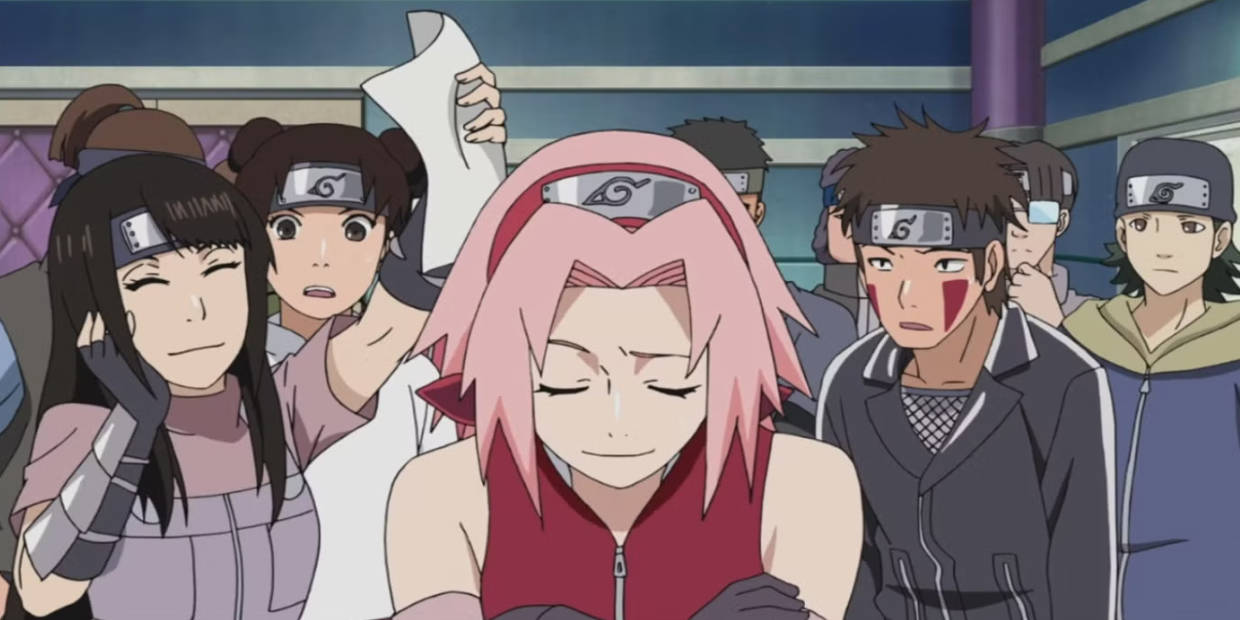
Chunin Exams Arc Complete Breakdown
The Chunin Exams arc stands as one of the most iconic and beloved storylines in the entire Naruto series. This comprehensive breakdown explores every aspect of this pivotal arc, from its narrative structure to its character development and lasting impact on the series as a whole.
Arc Overview
Basic Information
- Episodes: 20-67 (Original Naruto)
- Manga Chapters: 34-115
- Duration: One of the longest continuous arcs in the original series
- Main Setting: Konohagakure and the surrounding area
Narrative Structure
Phase 1: Written Exam
Exam Details
- Location: Konoha Academy
- Proctor: Ibiki Morino
- Challenge: A test designed to measure intelligence, strategy, and teamwork
- Passing Requirement: Not just knowledge, but the ability to think like a ninja
Key Moments
- Naruto’s Struggle: His lack of academic knowledge
- Sakura’s Brilliance: Her intelligence saves the team
- Cheating Strategies: Various ninja techniques used to gather information
- Moral Dilemma: The final question’s psychological test
Phase 2: Forest of Death
Exam Details
- Location: The Forest of Death
- Duration: 5 days
- Challenge: Retrieve scrolls from other teams while protecting their own
- Danger Level: Extremely high, with lethal traps and enemy teams
Key Conflicts
- Team 7 vs. Orochimaru: First encounter with the legendary Sannin
- Naruto’s Growth: His first use of Nine-Tails chakra
- Sasuke’s Curse Mark: Orochimaru’s dark gift
- Team 10’s Struggle: Ino, Shikamaru, and Choji’s battle
- Gaara’s Introduction: The fearsome jinchuriki’s first appearance
Phase 3: Preliminary Matches
Tournament Structure
- Format: Single elimination tournament
- Location: Konoha’s arena
- Spectators: Ninja from all five great nations
- Significance: Public display of skill and potential
Notable Battles
- Naruto vs. Kiba: Underdog victory
- Sakura vs. Ino: Emotional battle between friends
- Shikamaru vs. Temari: Strategic masterclass
- Sasuke vs. Gaara: Intense clash of power
- Rock Lee vs. Gaara: Iconic battle showcasing sheer determination
Phase 4: Konoha Crush
Invasion Details
- Perpetrators: Orochimaru and the Sound Village
- Allies: Sunagakure (Sand Village)
- Goal: Destroy Konoha and assassinate the Third Hokage
- Timing: During the final Chunin Exam matches
Key Battles
- Third Hokage vs. Orochimaru: Epic Sannin battle
- Konoha Ninja vs. Sound/Sand Forces: Village defense
- Naruto vs. Gaara: Climactic showdown in the Forest of Death
- Sasuke’s Pursuit: His first major battle after the curse mark
Character Development
Naruto Uzumaki
Growth During Chunin Exams
- Self-Confidence: From insecure underdog to determined competitor
- Strategic Thinking: Develops beyond brute force
- Emotional Intelligence: Learns to understand and connect with others
- Nine-Tails Control: First steps in mastering his jinchuriki power
- Leadership Potential: Begins to show qualities of a future Hokage
Sasuke Uchiha
Development During Arc
- Power Awakening: The curse mark and its impact
- Rivalry Intensification: His competitive relationship with Naruto deepens
- Emotional Conflict: Struggles with the darkness within
- Team Dynamics: Evolving relationship with Naruto and Sakura
- Survival Instincts: Forced to confront his mortality
Sakura Haruno
Growth During Exams
- Intellectual Prowess: Proves her value beyond physical strength
- Emotional Maturity: Navigates her feelings for Sasuke and friendship with Ino
- Inner Strength: Begins to develop her own confidence
- Medical Ninjutsu Interest: First steps toward her future specialization
- Team Loyalty: Shows dedication to protecting her friends
Supporting Characters
Gaara
- From Monster to Human: The beginning of his character redemption
- Jinchuriki Struggles: His pain mirrors Naruto’s
- Violent Nature: His descent into madness and eventual recovery
Rock Lee
- Determination Personified: His battle against Gaara becomes legendary
- Hard Work vs. Talent: Themes embodied in his character
- Inspirational Figure: Motivates Naruto and others
Shikamaru Nara
- Strategic Genius: His battle against Temari showcases his intellect
- Leadership Emergence: Begins to show his natural leadership abilities
- Lazy Genius: Contrasts his intelligence with his laid-back personality
Thematic Analysis
1. Hard Work vs. Natural Talent
Key Examples
- Rock Lee: Hard work overcoming physical limitations
- Neji Hyuga: Belief in destiny challenged by Naruto
- Naruto: Effort surpassing natural ability
Narrative Purpose
- Inspirational Message: Emphasizes the value of perseverance
- Destiny Subversion: Characters breaking free from predetermined paths
- Equal Opportunity: Anyone can achieve greatness through effort
2. Teamwork and Camaraderie
Group Dynamics
- Team 7’s Evolution: From dysfunctional to cohesive
- Inter-Team Relationships: Rivalry and respect
- Village Unity: Konoha coming together during invasion
Thematic Significance
- Strength in Numbers: Ninja working together achieve more
- Complementary Skills: Different abilities creating balanced teams
- Emotional Support: Friends helping each other through adversity
- Shared Responsibility: Success and failure as collective experiences
3. Growing Up and Responsibility
Coming of Age Elements
- Facing Mortality: Characters confronting death
- Moral Choices: Ethical dilemmas testing their values
- Leadership Transition: Younger generation stepping up
- Consequence Awareness: Actions having lasting impacts
Narrative Function
- Bildungsroman Structure: Characters transitioning from youth to adulthood
- Responsibility Acceptance: Embracing duties beyond personal goals
- Loss of Innocence: Encountering harsh realities of ninja life
- Wisdom Gained: Learning from mistakes and experiences
Cultural and Historical Context
Ninja Examination System
Real-World Parallels
- Traditional Martial Arts Testing: Similar to belts and rankings
- Military Promotion Systems: Merit-based advancement
- Educational Assessment: Combination of knowledge and practical skills
Fictional Significance
- Social Mobility: Path for talented ninjas to advance
- Village Prestige: Successful chunin reflect well on their village
- Skill Measurement: Standardized way to evaluate ninja capabilities
- Leadership Identification: Finding potential future leaders
Konoha Crush as Political Allegory
Political Themes
- Village Alliances: Shifting loyalties and betrayals
- Power Struggles: Orochimaru’s coup attempt
- Leadership Transition: Third Hokage’s sacrifice paving way for new generation
- Inter-Village Relations: Tensions between great nations
Narrative Purpose
- World Building: Expanding beyond individual character stories
- Political Complexity: Showing ninja world’s intricate power dynamics
- The Cost of War: Destruction and loss caused by conflict
- Hope Amidst Despair: Village rebuilding after tragedy
Cinematic Techniques
Animation and Visual Style
Artistic Choices
- Character Design Evolution: More detailed and mature than early episodes
- Action Sequences: Dynamic, fluid battle choreography
- Atmospheric Elements: Forest of Death’s ominous atmosphere
- Symbolism: Visual metaphors for character emotions
Technical Achievements
- Chakra Visualization: Creative representation of ninja energy
- Battle Animation: Progressive improvement in fight scenes
- Environmental Storytelling: Settings reflecting narrative tone
- Emotional Expression: Subtle facial animations conveying inner thoughts
Pacing and Structure
Narrative Flow
- Rising Tension: Each phase more intense than the last
- Climax Construction: Multiple climactic moments building to invasion
- Character Focus Shifts: Balancing multiple storylines
- Resolution and Aftermath: Addressing consequences of invasion
Structural Brilliance
- Setup and Payoff: Early伏笔 paid off in later episodes
- Parallel Storylines: Multiple character arcs developing simultaneously
- Emotional Rhythm: Balancing action with character moments
- Thematic Consistency: Core themes woven throughout all phases
Impact and Legacy
Influence on Naruto Series
Series Direction
- Character Arcs: Sets foundation for future development
- Power Scaling: Establishes baseline for future battles
- Thematic Framework: Lays groundwork for series-long themes
- World Building: Expands Naruto universe significantly
Long-Term Consequences
- Gaara’s Redemption: Begins his journey from villain to Kazekage
- Orochimaru’s Threat: His presence felt throughout remainder of series
- Naruto’s Reputation: Establishes him as a ninja of note
- Konoha’s Recovery: Shapes village’s future direction
Cultural Impact
Popularity Milestone
- Viewership Surge: Chunin Exams arc significantly boosted series popularity
- Iconic Moments: Multiple scenes considered among anime’s best
- Merchandise Boom: Increased demand for Naruto products
- Cosplay Phenomenon: Characters from arc among most cosplayed
Influential Elements
- Tournament Arc Formula: Influenced countless subsequent anime
- Character Development Model: Blueprint for underdog protagonist growth
- Action Choreography: Set new standard for anime fight scenes
- Emotional Storytelling: Proved shonen could balance action with depth
Critical Acclaim
Praiseworthy Aspects
- Narrative Complexity: Layered storytelling with multiple payoffs
- Character Depth: Even minor characters given meaningful development
- Thematic Resonance: Exploration of universal human experiences
- Technical Excellence: High production values throughout arc
- Emotional Impact: Ability to evoke wide range of emotions
Enduring Appeal
- Replay Value: Arc remains enjoyable on multiple viewings
- Cultural Relevance: Themes still resonate with modern audiences
- Influence on Creators: Inspired subsequent generations of manga/anime creators
- Fan Community: Continues to be discussed and analyzed by fans
Conclusion
The Chunin Exams arc represents the pinnacle of Naruto’s storytelling, blending intense action, compelling character development, and profound thematic exploration into one cohesive narrative. From the intellectual challenges of the written exam to the epic battles of the Konoha Crush, this arc takes viewers on an emotional rollercoaster that showcases the very best of what Naruto has to offer.
What makes the Chunin Exams truly remarkable is its ability to balance multiple storylines while maintaining narrative focus, developing dozens of characters without losing sight of its central themes, and creating moments of triumph and tragedy that remain etched in the memories of fans.
As both a standalone narrative and a foundation for the rest of the series, the Chunin Exams arc stands as a testament to the power of well-crafted storytelling, demonstrating why Naruto remains one of the most beloved and influential anime series of all time.