Chakra Basics and Applications
Chakra Basics and Applications
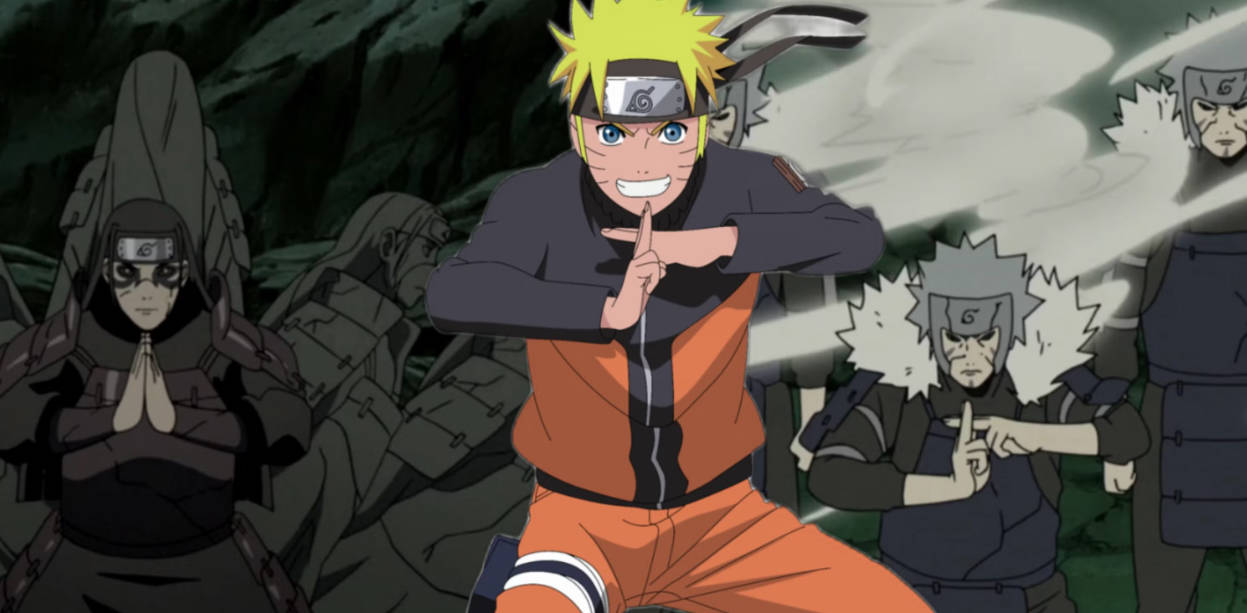
Chakra stands as the fundamental energy source powering all ninja techniques in the Naruto universe. From simple taijutsu to devastating ninjutsu and illusionary genjutsu, chakra serves as the life force and energy currency that makes the extraordinary abilities of shinobi possible. This comprehensive guide explores the nature of chakra, its manipulation, and its countless applications throughout the Naruto series.
Part 1: The Nature of Chakra
Definition and Origin
What is Chakra?
- Basic Definition: A form of energy present in all living beings
- Physical and Spiritual Energy: The combination of physical energy (from cells) and spiritual energy (from consciousness)
- Tenketsu: The chakra points through which chakra flows
- Chakra Pathway System: The network of channels that distribute chakra throughout the body
- Natural Energy: The external energy that can be incorporated into chakra
The Sage of Six Paths
- Hagoromo Otsutsuki: The creator of ninshū and chakra manipulation
- Chakra Distribution: Hagoromo’s gift of chakra to humanity
- Ninshū vs. Ninjutsu: The original peaceful purpose vs. the combat application
- Chakra Tree: The Divine Tree and the origin of chakra
- Indra and Asura: The two sons and their differing approaches to chakra use
Chakra Types and Properties
Elemental Affinities
- Five Basic Elements: Fire, Wind, Lightning, Earth, Water
- Elemental Chakra: The natural affinity each ninja has for one or more elements
- Combination Elements: Advanced elements created by combining basic elements
- Elemental Weaknesses and Strengths: The rock-paper-scissors relationship between elements
- Nature Transformation: The process of changing chakra’s nature to match an element
Special Chakra Types
- Senjutsu Chakra: Chakra mixed with natural energy
- Tailed Beast Chakra: The massive chakra of the tailed beasts
- Cursed Seal Chakra: The dark chakra from Orochimaru’s cursed seals
- Kekkei Genkai Chakra: Chakra related to bloodline limits
- Yang and Yin Chakra: The physical and spiritual aspects of chakra
Part 2: Chakra Manipulation
The Fundamentals
Chakra Control
- Basic Control: The ability to generate and move chakra
- Chakra Efficiency: Using only the necessary amount of chakra
- Chakra Focusing: Directing chakra to specific body parts
- Chakra Sensing: Detecting the chakra of others
- Chakra Concealment: Hiding one’s chakra signature
Training Methods
- Tree Climbing Practice: Developing basic chakra control
- Water Walking: Advancing chakra control to maintain balance
- Leaf Concentration: Focusing chakra to stick a leaf to the forehead
- Chakra Scalpel: Precise chakra control for medical ninjutsu
- Advanced Exercises: Custom training methods for specific techniques
Advanced Manipulation
Nature Transformation
- Single Nature Training: Mastering one’s natural affinity
- Multiple Nature Mastery: Learning additional elemental affinities
- Elemental Recombination: Creating advanced elements
- Nature Transformation Indicators: Physical signs of nature transformation
- Combination Techniques: Using multiple natures in a single technique
Shape Transformation
- Basic Shaping: Changing chakra’s form (balls, streams, etc.)
- Complex Shaping: Creating intricate forms with chakra
- Rasengan Development: The ultimate shape transformation technique
- Chakra Flow: Channeling chakra through weapons and objects
- Barrier Ninjutsu: Creating defensive barriers with shaped chakra
Part 3: Chakra Applications
Ninjutsu
Offensive Ninjutsu
- Fire Release: Techniques like Fireball Jutsu and Phoenix Sage Fire
- Wind Release: Techniques like Wind Blade and Rasenshuriken
- Lightning Release: Techniques like Chidori and Lightning Blade
- Earth Release: Techniques like Earth Wall and Mudslide
- Water Release: Techniques like Water Dragon and Water Prison
Defensive Ninjutsu
- Barrier Techniques: Creating protective barriers
- Shield Jutsu: Elemental shields for defense
- Reflective Techniques: Redirecting incoming attacks
- Healing Ninjutsu: Using chakra to repair damage
- Suppression Techniques: Countering enemy techniques
Supplementary Ninjutsu
- Transformation Jutsu: Changing one’s appearance
- Clone Jutsu: Creating copies of oneself
- Substitution Jutsu: Replacing oneself with an object
- Summoning Jutsu: Calling forth creatures or objects
- Space-Time Ninjutsu: Manipulating space and time
Genjutsu
Basic Principles
- Chakra Disruption: Disturbing the target’s chakra flow
- Sensory Manipulation: Altering the target’s perceptions
- Cast Methods: Eye contact, sound, touch, etc.
- Release Methods: Pain, counter-genjutsu, chakra disruption
- Genjutsu Types: Visual, auditory, olfactory, etc.
Advanced Genjutsu
- Sharingan Genjutsu: Powerful genjutsu through the Sharingan
- Tsukuyomi: Itachi’s mind-destroying genjutsu
- Kotoamatsukami: Shisui’s ultimate genjutsu
- Infinite Tsukuyomi: The world-encompassing genjutsu
- Counter-Genjutsu: Techniques to defend against genjutsu
Taijutsu
Chakra-Enhanced Taijutsu
- Eight Gates: Unlocking the body’s chakra gates for superhuman strength
- Gentle Fist: The Hyuga clan’s chakra pathway attacking style
- Strong Fist: Guy and Lee’s powerful taijutsu style
- Chakra Enhanced Strikes: Infusing strikes with chakra
- Acrobatics: Using chakra to enhance agility and movement
Internal Techniques
- Chakra Flow: Channeling chakra through the body
- Chakra Enhanced Speed: Increasing movement speed
- Chakra Enhanced Strength: Boosting physical strength
- Chakra Enhanced Durability: Increasing resistance to damage
- Stamina Enhancement: Using chakra to extend endurance
Part 4: Special Chakra Systems
Kekkei Genkai
Dōjutsu
- Sharingan: The Uchiha clan’s eye technique
- Byakugan: The Hyuga clan’s all-seeing eye
- Rinnegan: The sage’s eye with god-like powers
- Tenseigan: The Ōtsutsuki clan’s eye technique
- Jōgan: Boruto’s mysterious eye technique
Elemental Kekkei Genkai
- Lava Release: Combination of Fire and Earth
- Boil Release: Combination of Fire and Water
- Ice Release: Combination of Wind and Water
- Wood Release: Combination of Earth and Water (Hashirama’s special)
- Explosion Release: Combination of Earth and Lightning
Other Kekkei Genkai
- Shikotsumyaku: The Kaguya clan’s bone manipulation
- Juinjutsu: Cursed seal techniques
- Life Transfer: The ability to transfer life force
- Mind Transfer: Taking control of others’ bodies
- Body Modification: Changing one’s body structure
Tailed Beast Chakra
Jinchūriki
- Tailed Beast Hosts: Humans containing tailed beasts
- Chakra Suppression: Controlling the tailed beast’s chakra
- Chakra Merging: Combining one’s chakra with the tailed beast’s
- Tailed Beast Mode: Transforming using the tailed beast’s power
- Friendship with Beasts: Developing bonds with tailed beasts
Tailed Beast Techniques
- Tailed Beast Ball: The signature technique of tailed beasts
- Chakra Arms: Extending chakra as appendages
- Tailed Beast Mode: Full transformation into the tailed beast
- Cooperative Techniques: Combining tailed beast chakra with other jutsu
- Chakra Transfer: Sharing tailed beast chakra with others
Senjutsu
Sage Mode
- Natural Energy Collection: Drawing energy from the environment
- Sage Transformation: Physical changes from sage mode
- Enhanced Abilities: Increased strength, speed, and perception
- Senjutsu Techniques: Special techniques using senjutsu chakra
- Sage Mode Variations: Different forms from different locations
Sage Training
- Mount Myoboku: Toad sage training
- Ryūchi Cave: Snake sage training
- Shikkotsu Forest: Slug sage training
- Training Challenges: Overcoming the risks of senjutsu
- Mastery Requirements: The prerequisites for learning senjutsu
Part 5: Chakra in Daily Life
Ninja Tools and Weapons
Chakra-Enhanced Tools
- Chakra Blades: Blades infused with elemental chakra
- Chakra Paper: Testing one’s elemental affinity
- Chakra Metal: Special metals that react to chakra
- Explosive Tags: Paper tags activated by chakra
- Smoke Bombs: Using chakra to enhance concealment
Communication and Navigation
- Communication Seals: Sending messages via chakra
- Sensory Units: Detecting enemies through chakra
- Tracking Techniques: Following chakra signatures
- Barrier Systems: Protecting villages with chakra barriers
- Alarm Seals: Warning systems triggered by chakra
Medical Applications
Healing Ninjutsu
- Basic Healing: Closing wounds and repairing tissue
- Advanced Healing: Regenerating lost limbs
- Poison Extraction: Removing toxins from the body
- Chakra Scalpel: Precise surgical techniques
- Life Support: Sustaining life in critical situations
Medical Diagnostics
- Chakra Analysis: Detecting illnesses through chakra
- Injury Assessment: Evaluating damage through chakra
- Foreign Object Detection: Finding foreign bodies using chakra
- Chakra Pathway Healing: Repairing damaged chakra pathways
- Mental Healing: Treating psychological trauma through chakra
Part 6: Chakra Mastery and Limitations
The Path to Mastery
Chakra Capacity
- Natural Capacity: The amount of chakra one can store
- Capacity Expansion: Increasing one’s chakra reserves
- Chakra Stamina: How long one can maintain chakra use
- Recovery Rate: How quickly chakra regenerates
- Capacity vs. Control: The balance between power and precision
Mastery Indicators
- Chakra Sensing Range: How far one can detect chakra
- Elemental Mastery: How many elements one can use
- Technique Diversity: The variety of techniques one knows
- Chakra Efficiency: How little chakra one needs to use
- Innovation: Creating new techniques
Limitations and Risks
Physical Limitations
- Chakra Exhaustion: The dangers of using too much chakra
- Chakra Overload: The risk of taking in too much chakra
- Chakra Pathway Damage: Injuries to the chakra system
- Elemental Imbalance: Problems from overusing one element
- Age and Chakra: How chakra changes with age
Psychological Risks
- Tailed Beast Influence: Mental corruption from tailed beast chakra
- Senjutsu Madness: Losing oneself to natural energy
- Cursed Seal Corruption: Moral degradation from cursed seals
- Chakra Addiction: Dependence on external chakra sources
- Emotional Impact: How emotions affect chakra control
Part 7: Chakra in the Naruto Series
Key Moments
Naruto’s Chakra Journey
- Early Struggles: Naruto’s poor chakra control
- Nine-Tails Chakra: Learning to use the Nine-Tails’ power
- Sage Mode Training: Mastering senjutsu
- Six Paths Chakra: Receiving Hagoromo’s chakra
- Chakra Sharing: Distributing chakra to the Allied Shinobi Forces
Sasuke’s Chakra Evolution
- Sharingan Development: Advancing his Sharingan
- Cursed Seal: Gaining power from Orochimaru’s seal
- Mangekyo Sharingan: Awakening its power
- Eternal Mangekyo Sharingan: Gaining Itachi’s eyes
- Rinnegan: Acquiring the sage’s eye
Other Notable Users
- Hashirama Senju: Wood Release and massive chakra reserves
- Madara Uchiha: Mastery of Sharingan and Rinnegan
- Minato Namikaze: Chakra control and space-time ninjutsu
- Tsunade: Medical ninjutsu and superhuman strength
- Kakashi Hatake: Sharingan use and chakra efficiency
Thematic Significance
Chakra as a Metaphor
- Connection: Chakra as a symbol of human connection
- Balance: The importance of balancing physical and spiritual energy
- Potential: Chakra as representing human potential
- Responsibility: The responsibility that comes with power
- Unity: The power of shared chakra
Philosophical Implications
- Nature vs. Nurture: Innate chakra vs. trained control
- Individual vs. Collective: Personal chakra vs. shared chakra
- Power and Morality: How chakra use reflects character
- Growth and Development: Chakra mastery as a metaphor for personal growth
- Interconnectedness: All living things sharing chakra
Conclusion
Chakra stands as the foundation of the Naruto universe, a versatile energy system that powers everything from the simplest techniques to the most devastating attacks. Its complexity mirrors the complexity of the human spirit, with its physical and spiritual components representing the duality of human nature.
What makes chakra truly fascinating is its versatility. It can be used for destruction or healing, for deception or connection, for self-serving purposes or the greater good. The way a ninja uses their chakra often reflects their character, with heroes using it to protect and villains using it to destroy.
Chakra also serves as a powerful metaphor for human potential. Just as every ninja has the capacity to develop their chakra control and master new techniques, every person has the potential to grow, learn, and become more than they are.
From Naruto’s journey to master the Nine-Tails’ chakra to Sasuke’s pursuit of power through the Sharingan, the series explores the many facets of chakra and its impact on the lives of ninja. It reminds us that power itself is neither good nor evil—it is how we choose to use it that defines us.
As we’ve seen throughout this guide, chakra is far more than just a plot device in the Naruto series. It is a rich, complex system that adds depth to the world and serves as a vehicle for exploring profound themes about humanity, connection, and the nature of power.
Whether you’re a casual fan or a dedicated ninja scholar, understanding the basics of chakra will deepen your appreciation for the Naruto universe and the incredible abilities of its characters.