Boruto Series Connection to Original Naruto
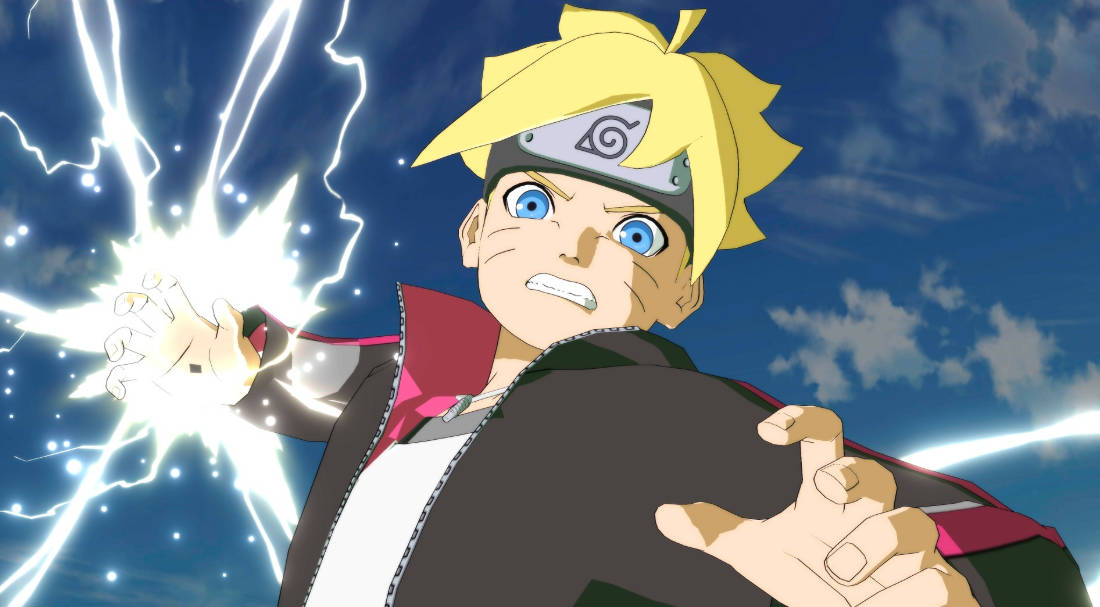
Boruto Series Connection to Original Naruto
Boruto: Naruto Next Generations represents the official sequel to the beloved Naruto series, continuing the story in the same universe while introducing a new generation of ninja. This analysis explores the deep connections between Boruto and the original Naruto series, examining how it both honors the legacy of its predecessor and establishes its own identity.
Narrative Connections
Direct Continuation
Timeline Placement
- Setting: Approximately 15 years after the Fourth Great Ninja War
- Peaceful Era: The relatively peaceful world Naruto fought to create
- Character Aging: Original cast now in their 30s, with children of their own
- Village Development: Konoha’s evolution into a more modernized society
Historical Context
- Founding of Shinobi Union: The collaborative ninja organization formed post-war
- Technological Advancement: The introduction of technology to the ninja world
- Political Stability: The five great nations living in relative harmony
- Naruto’s Reign: His time as Seventh Hokage
Legacy Characters
Returning Main Cast
Naruto Uzumaki
- Current Role: Seventh Hokage of Konoha
- Character Development: From energetic youth to responsible leader
- Personal Life: Married to Hinata, father of Boruto and Himawari
- Leadership Style: Kind but overworked, struggling with work-life balance
Sasuke Uchiha
- Current Role: Shadow Hokage, Konoha’s international spy
- Character Development: From avenger to protector
- Personal Life: Married to Sakura, father of Sarada
- Relationship with Naruto: Close friend and trusted ally
Sakura Uchiha
- Current Role: Head of Konoha’s Medical Department
- Character Development: From fangirl to respected medical ninja
- Personal Life: Married to Sasuke, mother of Sarada
- Professional Status: One of the world’s most skilled medical ninjas
Hinata Uzumaki
- Current Role: Housewife and mother
- Character Development: From shy girl to confident woman
- Personal Life: Married to Naruto, mother of Boruto and Himawari
- Family Focus: Prioritizing her children’s well-being
Supporting Characters
Kakashi Hatake
- Current Role: Retired Sixth Hokage
- Character Development: From mysterious teacher to wise leader
- New Pursuits: Writing novels and mentoring occasionally
- Relationship with Naruto: Trusted advisor and friend
Shikamaru Nara
- Current Role: Naruto’s right-hand man, Hokage’s advisor
- Character Development: From lazy genius to strategic leader
- Personal Life: Married to Temari, father of Shikadai
- Professional Burden: The stress of managing Konoha’s affairs
Ino Yamanaka
- Current Role: Head of Konoha’s Intelligence Division
- Character Development: From superficial girl to capable leader
- Personal Life: Married to Sai, mother of Inojin
- Professional Excellence: Her clan’s mind transfer jutsu put to strategic use
Choji Akimichi
- Current Role: Head of Akimichi Clan, member of Konoha Council
- Character Development: From insecure youth to confident leader
- Personal Life: Married to Karui, father of Chocho
- Physical Change: Maintained his weight but gained muscle
New Generation Connections
Next Generation Characters
Boruto Uzumaki
- Parentage: Son of Naruto and Hinata
- Personality Traits: Confident, rebellious, talented
- Character Arc: Struggling to escape his father’s shadow
- Ninja Skills: Prodigy with natural talent, especially in ninjutsu
- Relationship with Naruto: Complex mix of admiration and resentment
Sarada Uchiha
- Parentage: Daughter of Sasuke and Sakura
- Personality Traits: Intelligent, determined, goal-oriented
- Character Arc: Seeking to understand her father and become Hokage
- Ninja Skills: Proficient in both medical ninjutsu and Sharingan
- Relationship with Sasuke: Longing for connection with her absent father
Mitsuki
- Origins: Synthetic human created by Orochimaru
- Personality Traits: Calm, analytical, curious about human emotions
- Character Arc: Discovering his identity and purpose
- Ninja Skills: Proficient in Snake Sage Mode and various jutsu
- Relationship with Boruto: Loyal friend and teammate
Team Dynamics
Team 7 Reborn
- Composition: Boruto, Sarada, Mitsuki
- Sensei: Konohamaru Sarutobi
- Parallel to Original: The new Team 7 mirrors the original
- Differences: More cohesive and less dysfunctional than the original
Intergenerational Parallels
- Boruto & Naruto: Both talented but initially rebellious
- Sarada & Sakura: Both intelligent with medical ninjutsu aptitude
- Mitsuki & Sasuke: Both mysterious with hidden origins
- Konohamaru & Kakashi: Both肩负着 mentoring the next generation
Thematic Connections
1. Legacy and Inheritance
Naruto’s Legacy
- Boruto’s Struggle: Living up to his father’s reputation
- Sarada’s Ambition: Her desire to become Hokage like Naruto
- Mitsuki’s Identity: His search for purpose beyond his creation
- Next Gen Pressure: The weight of their parents’ achievements
The Will of Fire
- Passing the Torch: The original cast instilling their values
- Modern Interpretation: The Will of Fire in a peaceful era
- New Challenges: How the next generation applies traditional values
- Continuity of Ideals: The enduring importance of protecting the village
2. Identity and Self-Discovery
Parent-Child Relationships
- Boruto’s Journey: Finding his own path separate from Naruto
- Sarada’s Quest: Understanding her identity as Sasuke’s daughter
- Mitsuki’s Search: Discovering what it means to be human
- Universal Theme: The struggle to define oneself beyond family
Individuality vs. Expectation
- Societal Pressure: The expectations placed on legacy children
- Personal Dreams: Each character’s unique aspirations
- Rebellion and Acceptance: The balance between breaking free and honoring heritage
- Self-Actualization: The ultimate goal of each character’s journey
3. Peace and Its Challenges
Post-War Society
- Relative Peace: The calm after the Fourth Great Ninja War
- New Threats: Different challenges in a peaceful era
- Technological Integration: The blending of ninja traditions with modern technology
- Complacency Danger: The risk of forgetting the lessons of war
Naruto’s Dilemma
- Leadership Burden: The toll of maintaining peace
- Personal Sacrifice: His strained relationship with his family
- Legacy Pressure: Living up to the Hokage title
- Wisdom of Experience: His role as a mentor to the next generation
Plot Connections and Callbacks
Direct References
Historical Events
- Fourth Great Ninja War: Frequently referenced as recent history
- Kaguya’s Invasion: Mentioned as the last great threat
- Naruto’s Achievements: His journey from outcast to Hokage
- Sasuke’s Redemption: His path from villain to hero
Character Backstories
- Sasuke’s Absence: Explained through his spy missions
- Naruto’s Overwork: A result of his dedication to the village
- Original Team 7’s Adventures: Referenced in stories to the next generation
- Past Relationships: How old friendships evolved into marriages
Visual and Thematic Callbacks
Symbolic Elements
- Hokage Rock: Updated with Naruto’s face, now featuring all seven Hokage
- Valley of the End: The iconic battlefield still exists, now a historical site
- Uchiha Symbol: The crest reappearing through Sarada
- Uzumaki Symbol: Boruto’s connection to his clan heritage
Narrative Structure
- Team Formation: The process of forming and bonding as a team
- Chunin Exams: The traditional exam with modern modifications
- Village Defense: New threats requiring the defense of Konoha
- Mentorship Dynamics: The cycle of teachers and students
Antagonist Connections
New Threats
Kara Organization
- Origins: A mysterious organization with ties to Orochimaru’s research
- Goals: The creation of powerful artificial humans (like Mitsuki)
- Leader: Jigen, later revealed to be vessel for Isshiki Otsutsuki
- Connection to Past: Their technology based on Otsutsuki knowledge
Otsutsuki Clan
- Continued Threat: The clan’s presence beyond Kaguya
- New Members: Isshiki, Momoshiki, Kinshiki
- Plan: The continued harvesting of chakra from worlds
- Connection to Original: Their role as the ultimate threat established in Naruto
Scientific Ninja Tools
- Origins: The integration of technology with ninja abilities
- Controversy: The debate over their ethical use
- Power Creep: The imbalance they create in ninja combat
- Connection to Past: Rooted in the technological advances post-Fourth Great Ninja War
Callback Antagonists
Orochimaru
- Current Role: Scientific advisor, no longer a threat
- Character Development: From villain to ambiguous ally
- Connection to Mitsuki: His role as Mitsuki’s creator and father figure
- Redemption Arc: His gradual shift toward more ethical behavior
Kabuto Yakushi
- Current Role: Running an orphanage, fully redeemed
- Character Development: From villain to caretaker
- Connection to Past: His expertise occasionally called upon
- Peaceful Existence: Living quietly after his redemption
Philosophical Connections
Evolution of Ninja Philosophy
Traditional vs. Modern
- Traditional Ninja Values: Emphasis on honor, loyalty, and sacrifice
- Modern Ninja Approach: Integration of technology and collaboration
- Generational Conflict: Older ninja clinging to tradition, younger embracing change
- Balance: The series’ exploration of finding middle ground
Purpose of Ninjas
- Traditional Role: Warriors and spies
- Modern Role: Peacekeepers and protectors
- Identity Crisis: Some ninja struggling with their purpose in peacetime
- New Challenges: Adapting ninja skills to non-combat situations
Naruto’s Philosophy
Passing On Wisdom
- Naruto’s Teachings: His beliefs about bonds and understanding
- Application in Peace: How his philosophy works in a peaceful era
- Boruto’s Reinterpretation: His own take on his father’s teachings
- Universal Relevance: The enduring value of Naruto’s message
Leadership Lessons
- Naruto’s Mistakes: His struggle with work-life balance
- Boruto’s Observations: Learning from his father’s errors
- Legacy of Compassion: Naruto’s kindness influencing the village
- The Cost of Leadership: The personal sacrifices required for public service
Visual and Stylistic Connections
Art Style Evolution
Continuity
- Character Design: Maintaining recognizable features while aging characters
- Color Palette: Keeping the vibrant colors of the original series
- Chakra Visualization: Consistent representation of ninja energy
- Action Choreography: Similar dynamic fight scenes
Innovation
- Modernized Konoha: More detailed and technologically advanced settings
- Character Design: More diverse and detailed character designs
- Animation Quality: Improved fluidity and detail
- Visual Effects: More sophisticated use of CGI and special effects
Tone and Atmosphere
Continuity
- Humorous Moments: Maintaining the original’s sense of humor
- Emotional Depth: Balancing lightheartedness with serious themes
- Ninja Action: The excitement of ninja battles and techniques
- Character Relationships: The importance of bonds and friendships
Innovation
- Modern Sensibilities: Addressing contemporary issues
- Youth Perspective: Telling the story from a younger generation’s viewpoint
- Technological Integration: Exploring the impact of technology
- Global Scope: Expanding beyond Konoha to the wider ninja world
Thematic Departures
New Focus Areas
Technology and Tradition
- Technological Advancement: The introduction of phones, computers, and other technology
- Scientific Ninja Tools: The blending of technology with ninjutsu
- Generational Divide: Different attitudes toward technology
- Ethical Questions: The implications of technological advancement
Parental Relationships
- Parent-Child Dynamics: More focus on family relationships
- Legacy Pressure: The burden of living up to parents’ achievements
- Absent Parents: The impact of parents who are physically or emotionally absent
- Intergenerational Understanding: The process of parents and children understanding each other
Global Ninja Community
- Shinobi Union: The collaborative organization of ninja villages
- International Missions: More focus on cross-village cooperation
- Cultural Exchange: Ninja from different villages interacting more freely
- Global Threats: Antagonists that threaten the entire ninja world
Different Challenges
Peaceful Era Problems
- Boredom: Ninja struggling with purpose in peacetime
- Complacency: Forgetting the lessons of war
- Over-Reliance on Technology: Losing traditional ninja skills
- Political Corruption: New forms of corruption in peacetime
Personal vs. Professional
- Work-Life Balance: Naruto’s struggle as Hokage and father
- Career Choices: Young ninja choosing paths beyond combat
- Personal Relationships: Maintaining bonds amid busy lives
- Self-Care: The importance of mental health and personal well-being
Impact and Legacy
Fan Reception
Connection to Original
- Nostalgia Factor: The joy of seeing beloved characters grown up
- Continuity Appreciation: The respect for the original’s timeline and events
- Character Consistency: The original cast remaining true to their established personalities
- Emotional Investment: The connection to both old and new characters
New Identity
- Fresh Perspective: The appeal of seeing the world through new eyes
- Modern Sensibilities: Addressing contemporary issues
- New Characters: The introduction of compelling new protagonists
- Standalone Enjoyment: The ability to be enjoyed by new fans unfamiliar with the original
Critical Analysis
Strengths
- Character Development: The growth of both legacy and new characters
- World Building: The expansion and evolution of the Naruto universe
- Thematic Depth: The exploration of new themes while honoring old ones
- Visual Quality: The improved animation and production values
Challenges
- Comparison to Original: The inevitable comparison to the beloved original
- Legacy Burden: The pressure of living up to Naruto’s reputation
- Balancing Act: Maintaining connection to the original while establishing independence
- Pacing Issues: Occasional struggles with narrative momentum
Cultural Impact
Extended Universe
- Expanded Canon: The official continuation of the Naruto story
- Merchandise Expansion: New toys, clothing, and other products featuring both generations
- Fan Community Growth: Uniting fans of both the original and sequel
- Cross-Generational Appeal: Attracting both original fans and new younger audiences
Influence on Shonen Genre
- Sequel Done Right: A model for how to successfully continue a beloved series
- Intergenerational Storytelling: Exploring relationships between different generations
- Evolution of Protagonist: Moving beyond the traditional shonen underdog narrative
- Modernization of Genre: Updating shonen tropes for contemporary audiences
Conclusion
Boruto: Naruto Next Generations succeeds in creating a meaningful connection to the original Naruto series while establishing its own unique identity. By continuing the story in the world Naruto fought to create, it honors the legacy of its predecessor while exploring new themes relevant to a new generation.
The series’ greatest strength lies in its ability to balance nostalgia with innovation. It brings back beloved characters in ways that feel authentic to their development, while introducing new characters who are compelling in their own right. The parallels between the original Team 7 and the new Team 7 create a sense of narrative continuity, while the differences highlight how the world has changed.
Boruto also expands on the philosophical themes of the original series, exploring how Naruto’s philosophy of bonds and understanding applies in a peaceful era. It asks important questions about legacy, identity, and the purpose of ninjas in a world that no longer needs constant warfare.
While inevitably living in the shadow of its predecessor, Boruto has carved out its own place in the Naruto universe. It serves as a testament to the enduring appeal of the Naruto world and its characters, while demonstrating that there are still new stories to be told in the village hidden in the leaves.
As the series continues to evolve, it remains a fitting tribute to the original Naruto while establishing itself as a worthy successor in its own right.