Akatsuki Organization Storyline Review
Akatsuki Organization Storyline Review
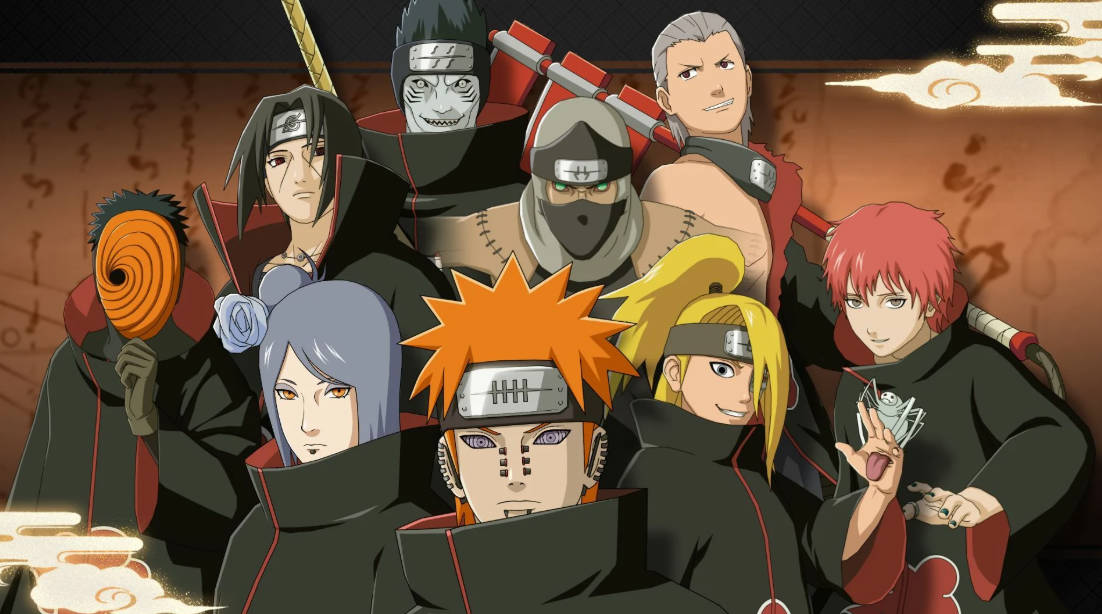
The Akatsuki stands as one of anime’s most iconic and complex villainous organizations, serving as the primary antagonistic force throughout much of Naruto Shippuden. This comprehensive review explores the Akatsuki’s origins, evolution, key members, and narrative significance, analyzing how this group transformed from a small revolutionary cell into a threat to the entire ninja world.
Origins and Early History
Founding
Amegakure Background
- Village Context: The Rain Village’s history of war and suffering
- Three Orphans: Yahiko, Nagato, and Konan’s childhood
- Jiraiya’s Influence: His mentorship and the origins of their ideology
- Early Ideals: Their dream of bringing peace to their war-torn village
Formation
- Initial Purpose: A group dedicated to ending war in Amegakure
- Name Meaning: “Dawn” - symbolizing a new beginning
- Early Members: The original small group of like-minded ninja
- Growth: Their expansion and increasing influence
Evolution into Militant Group
Yahiko’s Leadership
- Charismatic Leadership: Yahiko’s ability to inspire others
- Conflict with Hanzo: The Rain Village’s leader sees them as a threat
- Ideological Purity: Their refusal to compromise their ideals
- Growing Power: Their increasing popularity among Amegakure’s people
Tragic Transformation
- Hanzo’s Betrayal: His ambush with Danzo’s assistance
- Yahiko’s Death: His sacrifice to save Nagato and Konan
- Nagato’s Despair: His descent into darkness and adoption of Pain persona
- Ideological Shift: From peaceful revolution to pain-induced peace
Akatsuki Reborn: The Collector Organization
New Purpose
Tailed Beast Collection
- Plan Formation: The Eye of the Moon Plan
- Initial Goal: Collect all nine tailed beasts
- Ultimate Goal: Cast the Infinite Tsukuyomi to enslave the world
- Madara’s Manipulation: His secret influence on Nagato
Recruitment Strategy
- Power Requirement: Only S-rank missing-nin need apply
- Two-Man Teams: The pairing system for missions
- Autonomy vs. Control: Members’ relative freedom within the organization
- Financial Operations: Bounty hunting and mercenary work to fund operations
Organizational Structure
Leadership
- Nagato (Pain): Figurehead leader
- Konan: Co-founder and Pain’s closest advisor
- Tobi (Obito): Secret manipulator
- Black Zetsu: The true mastermind
Ranks and Roles
- Founding Members: Nagato, Konan, and later Obito
- Core Members: The primary S-rank missing-nin
- Associates: Temporary allies and informants
- Grunts: Lesser ninja used for menial tasks
Operating Procedures
Mission Structure
- Tailed Beast Extraction: The primary mission type
- Bounty Hunting: Secondary income source
- Espionage: Gathering intelligence on villages
- Elimination: Assassinating threats to the organization
Security Measures
- Secrecy: Members’ identities and locations closely guarded
- Base Locations: Multiple hidden bases throughout the ninja world
- Communication: coded messages and secret meetings
- Betrayal Protocols: Harsh punishment for traitors
Key Members Analysis
Founding Members
Nagato (Pain)
- Role: Leader, tactical genius
- Abilities: Rinnegan, Six Paths of Pain
- Motivation: Create peace through mutual pain
- Arc: Tragic villain seeking redemption
Konan
- Role: Co-founder, strategist
- Abilities: Paper ninjutsu
- Motivation: Loyalty to Yahiko and Nagato’s vision
- Arc: From revolutionary to protector
Obito Uchiha (Tobi)
- Role: Secret manipulator, field commander
- Abilities: Mangekyo Sharingan (Kamui), Wood Release
- Motivation: Revive Rin Nohara, create world with her
- Arc: Tragic anti-hero consumed by grief
Core Members
Kisame Hoshigaki
- Partner: Itachi Uchiha
- Abilities: Samehada sword, water release
- Motivation: Find a worthy opponent, loyalty to Itachi
- Arc: From rogue ninja to loyal ally
Deidara
- Partner: Sasori, later Tobi
- Abilities: Explosive clay, artistic philosophy
- Motivation: Create the ultimate art
- Arc: Artistic extremist seeking validation
Sasori
- Partner: Deidara
- Abilities: Puppet master, human puppets
- Motivation: Immortality through puppet transformation
- Arc: Tragic figure who lost his ability to feel
Hidan
- Partner: Kakuzu
- Abilities: Immortality, Jashin religion
- Motivation: Serve Jashin, spread chaos
- Arc: Sadistic religious zealot
Kakuzu
- Partner: Hidan
- Abilities: Earth release, five hearts
- Motivation: Accumulate wealth
- Arc: Greedy mercenary with tragic past
Zetsu
- Role: Spy, manipulator
- Abilities: Shapeshifting, underground movement
- Motivation: Revive Kaguya Otsutsuki
- Arc: The true mastermind behind everything
Associate Members
Orochimaru
- Tenure: Early member, later defected
- Abilities: Snake techniques, immortality
- Motivation: Learn all jutsu, achieve immortality
- Role: Former member who becomes independent threat
Kabuto Yakushi
- Tenure: Orochimaru’s subordinate, later independent
- Abilities: Medical ninjutsu, Edo Tensei
- Motivation: Find his identity, surpass Orochimaru
- Role: Antagonist in Fourth Great Ninja War
Major Akatsuki Operations
Early Missions
Village Disruption
- Hidden Sand Village: Manipulating Gaara
- Hidden Mist Village: Exploiting instability
- Minor Villages: Extending their influence
- Resource Acquisition: Gathering funds and supplies
Recruitment Drives
- Targeting S-Rank Ninja: Identifying potential members
- Persuasion Tactics: Convincing ninja to join
- Test Missions: Proving worthiness
- Integration Process: Bringing new members into the fold
Tailed Beast Collection
One-Tail (Shukaku)
- Host: Gaara of the Sand
- Extraction: Failed first attempt, successful second attempt
- Operation: Deidara and Sasori’s mission
- Significance: First successful tailed beast capture
Two-Tail (Matatabi)
- Host: Yugito Nii of the Cloud
- Extraction: Hidan and Kakuzu’s mission
- Significance: Demonstrating the effectiveness of their teamwork
Three-Tail (Isobu)
- Host: Yagura of the Mist (formerly)
- Extraction: Deidara and Tobi’s mission
- Significance: First mission with Tobi as active member
Four-Tail (Son Goku)
- Host: Roshi of the Stone
- Extraction: Kisame’s mission
- Significance: Demonstrating Kisame’s power
Five-Tail (Kokuō)
- Host: Han of the Stone
- Extraction: Unknown Akatsuki members
- Significance: Expansion of their collection
Six-Tail (Saiken)
- Host: Utakata of the Mist
- Extraction: Pain’s mission
- Significance: Pain’s direct involvement
Seven-Tail (Chōmei)
- Host: Fū of Takigakure
- Extraction: Unknown Akatsuki members
- Significance: Furthering their goal
Eight-Tail (Gyūki)
- Host: Killer Bee of the Cloud
- Extraction: Failed attempts by Kisame and later Tobi
- Significance: First major failure in their collection
Nine-Tail (Kurama)
- Host: Naruto Uzumaki of the Leaf
- Extraction: Multiple failed attempts
- Significance: The ultimate prize and their greatest challenge
Konoha Invasion
Pain’s Assault
- Planning: Coordinated attack on the Leaf Village
- Execution: The Six Paths of Pain’s systematic destruction
- Casualties: Massive loss of life and destruction
- Naruto’s Counter: His battle with Pain and subsequent redemption of Nagato
- Significance: Turning point in the series and Akatsuki’s decline
Akatsuki’s Decline and Fall
Member Losses
Early Casualties
- Sasori: Killed by Sakura and Chiyo
- Deidara: Self-destruction fighting Sasuke
- Hidan: Defeated by Shikamaru and buried alive
- Kakuzu: Killed by Naruto’s Rasenshuriken
Mid-War Losses
- Pain (Nagato): Sacrifices himself to revive Konoha
- Konan: Killed by Tobi/Obito
- Kisame: Self-sacrifice to protect情报
Final Confrontation
- Obito: Redemption and sacrifice in Fourth Great Ninja War
- Madara: Betrayed and killed by Black Zetsu
- Black Zetsu: Finally defeated by Naruto and Sasuke
Legacy and Impact
Immediate Impact
- Ninja World Unification: Their threat forces villages to work together
- Power Vacuum: The absence of major villains
- Technological Advancement: The sharing of information post-war
- Political Reform: Changes in how villages govern and interact
Long-Term Influence
- Memorialization: Their role in shaping ninja history
- Cautionary Tale: A reminder of the dangers of extremism
- Peace Motivation: Their defeat strengthens resolve for peace
- Next Generation: The lessons learned by Boruto’s generation
Thematic Analysis
1. Pain and Suffering
Organizational Philosophy
- Pain as Teacher: Their belief that pain creates understanding
- Shared Suffering: Their goal of uniting the world through shared pain
- Cycle of Hatred: Their origin in and perpetuation of violence
- Trauma as Motivation: How personal pain drives their actions
Narrative Purpose
- Moral Complexity: No pure evil, only pain-driven actions
- Systemic Critique: The ninja system as creator of such organizations
- Empathy Challenge: Forcing the audience to understand their perspective
- Redemption Possibility: Nagato’s change of heart
2. The Dangers of Idealism
Ideological Evolution
- Pure Beginnings: Their initial noble goals
- Corruption: How ideals become twisted
- Extremism: The slippery slope from idealism to fanaticism
- Ends Justify Means: Their willingness to commit atrocities for their vision
Narrative Warning
- Unchecked Idealism: The danger of single-minded pursuit of goals
- Compromise Importance: The necessity of balance
- Groupthink: The dangers of ideological echo chambers
- Leadership Responsibility: How leaders shape organizational culture
3. Identity and Belonging
Member Motivations
- Search for Purpose: Many members join to find meaning
- Belonging: The organization as surrogate family
- Identity Formation: How membership shapes individual identity
- Loss of Self: How some members lose their identity within the group
Narrative Exploration
- Family Dynamics: The dysfunctional family-like structure
- Loyalty Themes: The nature of loyalty and betrayal
- Individual vs. Collective: The tension between personal and organizational goals
- Identity Recovery: Members who rediscover their true selves
4. Power and Corruption
Power Dynamics
- Hierarchical Structure: The abuse of power within ranks
- Power Hunger: Members’ individual quests for power
- Corrupting Influence: How power changes even well-intentioned members
- Power as Currency: The trading of power within the organization
Narrative Critique
- Absolute Power: The corrupting influence of unchecked power
- Power Imbalance: The exploitation of weaker members
- Power as Illusion: How even the most powerful are manipulated
- Responsible Power: The contrast with Naruto’s use of power
Cinematic and Narrative Techniques
Visual Design
Iconography
- Black Cloaks: The distinctive red cloud-patterned robes
- Ring Markings: Each member’s unique ring and position
- Symbolic Colors: Black and red representing darkness and blood
- Visual Hierarchy: Design elements indicating rank and power
Character Design
- Distinctive Appearances: Each member’s unique look
- Visual Storytelling: Designs reflecting personalities and backgrounds
- Evolution: Changes in appearance reflecting character development
- Silhouette Recognition: Instantly recognizable even in shadow
Narrative Structure
Foreshadowing
- Early Hints: Subtle clues about the organization’s true purpose
- Chekhov’s Guns: Elements introduced early that pay off later
- Red Herrings: Misdirection about true leadership and goals
- Symbolic Foreshadowing: Visual symbols predicting future events
Non-Linear Storytelling
- Flashbacks: Revealing members’ backstories gradually
- Multiple Perspectives: Telling the story from different characters’ viewpoints
- Time Jumps: Skipping between past, present, and future
- Parallel Narratives: Akatsuki’s story interwoven with Naruto’s
Member Analysis: Psychological Profiles
The Idealists
Nagato/Pain
- Tragic Hero: Driven by genuine desire for peace
- Trauma Victim: Broken by war and loss
- Philosopher King: His complex ideology
- Redemption Seeker: His final act of sacrifice
Konan
- Loyal Companion: Devoted to her friends’ vision
- Strategic Mind: Her tactical brilliance
- Hidden Strength: Her quiet power
- Final Stand: Her courage in death
The Opportunists
Kisame
- Warrior Philosopher: His code of honor
- Loyal Soldier: His devotion to worthy leaders
- Tragic Warrior: His desire for meaningful death
- Redemptive Sacrifice: His final act of loyalty
Kakuzu
- Survivalist: Driven by instinct to survive
- Economic Rationalist: His mercenary mindset
- Betrayal Victim: His tragic past shaping his worldview
- Reluctant Team Player: His uneasy partnership with Hidan
The Fanatics
Deidara
- Artistic Visionary: His unique perspective on art
- Perfection Seeker: His quest for the ultimate creation
- Proud Competitor: His rivalry with Sasuke
- Artistic Martyr: His final self-destruction
Hidan
- Religious Zealot: His fanatical devotion to Jashin
- Sadistic Enjoyment: His pleasure in causing pain
- Immortal Fool: His overconfidence in his immortality
- Fitting End: His eternal suffering
The Manipulators
Obito/Tobi
- Dual Personality: His Tobi persona vs. true self
- Grief-Stricken Lover: His motivation rooted in loss
- Master Tactician: His strategic brilliance
- Redemptive Hero: His final sacrifice
Black Zetsu
- Patient Planner: His millennia-long scheme
- Master Manipulator: His ability to control others
- Single-Minded Obsession: His sole focus on reviving Kaguya
- Primitive Instinct: His primal nature as Kaguya’s child
Conclusion
The Akatsuki organization represents one of the most sophisticated and compelling villainous groups in anime history. Their journey from idealistic revolutionaries to world-threatening terrorists mirrors the complexity of real-world extremism, while their individual members’ tragic backstories humanize even the most monstrous among them.
What makes the Akatsuki truly remarkable is their narrative depth. They are not simply evil for evil’s sake; each member is driven by understandable, if misguided, motivations. Their philosophy, however twisted, emerges from genuine suffering, forcing both the characters and the audience to confront uncomfortable truths about the nature of peace, power, and human nature.
The Akatsuki’s legacy extends far beyond their defeat. They serve as a cautionary tale about the dangers of extremism, the importance of empathy, and the fragility of peace. Their story reminds us that even the darkest organizations often begin with noble intentions, corrupted by pain, trauma, and the seductive lure of power.
As antagonists, the Akatsuki elevated the Naruto series, providing not just thrilling battles but profound philosophical challenges. Their presence forced Naruto and his allies to confront their own beliefs, ultimately strengthening their commitment to a more compassionate world.
In the end, the Akatsuki are more than just villains—they are tragic figures whose story reflects the complexity of the human condition, making them one of the most memorable and impactful organizations in all of fiction.